
When it comes to enhancing your weight and strength training regimen, there is an often-overlooked practice that can be incredibly beneficial: yoga. While yoga is traditionally associated with relaxation and flexibility, it offers far more than just a calming stretch. As many experienced yoga teachers and fitness professionals will attest, incorporating yoga into your strength training routine can vastly improve your performance, reduce your risk of injury, and support better recovery.
Yoga helps enhance muscle balance, stability, and strength. It also improves your range of motion, which can directly contribute to your ability to perform exercises like squats and deadlifts more effectively. If you’re looking to optimize your gym workouts and take your strength training to the next level, a few key yoga poses and stretches can work wonders. In this blog, we will dive deep into how specific yoga practices can be integrated with weight and strength training to achieve balanced, powerful results.

1. The Importance of Balance and Stability in Weight Training
As a yoga teacher, one of the most frequent observations I make is the importance of balance and stability in every movement we perform. It’s easy to assume that strength training is all about building muscle mass, but the truth is, without proper balance and stability, those muscles won’t function optimally. Yoga offers a powerful antidote to muscle imbalances and instability. Certain yoga poses are designed to engage multiple muscle groups, teaching your body how to distribute weight evenly and prevent excessive strain on any one muscle.
For example, a pose like Warrior III (Virasana III) challenges your stability by engaging your core, glutes, quads, and upper body, while maintaining balance. This pose strengthens your stabilizing muscles and helps with balance, which is crucial for activities like squats, deadlifts, and overhead pressing, where stability plays a central role in both performance and safety.
2. Building Strength Through Dynamic Movements
In the world of yoga, power, and strength are not limited to static poses. Many yoga styles, including Vinyasa and Power Yoga, focus on dynamic, flowing movements that engage the muscles in a similar way to weight training. By seamlessly transitioning between poses, these yoga styles build muscular endurance and strength while improving flexibility and stability.
One of the key benefits of these dynamic practices is the way they help create a mind-body connection. As you flow from one pose to another, you engage different muscle groups, working on controlled breathing, endurance, and strength. These qualities translate directly to lifting weights or doing bodyweight exercises, where endurance and form are paramount.
3. Enhanced Range of Motion for Deeper, Safer Squats
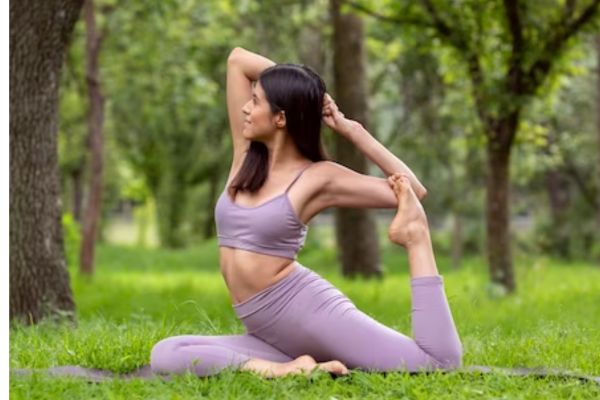
Range of motion is another critical aspect of strength training. If your muscles and joints are restricted, it can significantly impact your ability to perform exercises like squats, lunges, and deadlifts effectively. Yoga is exceptional at improving flexibility in the hips, hamstrings, and ankles—key areas for improving squat depth and technique.
Pigeon Pose (Eka Pada Rajakapotasana) is an excellent yoga stretch that targets the hips, glutes, and lower back, which are crucial for deepening your squat and maintaining proper alignment. Additionally, Downward-Facing Dog (Adho Mukha Svanasana) lengthens and strengthens the hamstrings while opening the chest and shoulders, which helps maintain an upright posture when performing heavy lifts.
By regularly practicing these yoga poses, you can gradually improve your squat depth and reduce the likelihood of injury caused by tight muscles. A more flexible body allows you to lower into a squat without compromising form, which will not only boost performance but also safeguard against potential injuries.
4. Strengthening the Core for Better Lifting Form
Core strength is the foundation of virtually every weightlifting movement. A strong, stable core enables you to maintain proper posture and support your spine, reducing the risk of injury while performing heavy lifts. Yoga is uniquely positioned to build functional core strength—especially through poses that require you to engage your abdominals, back, and pelvic muscles simultaneously.
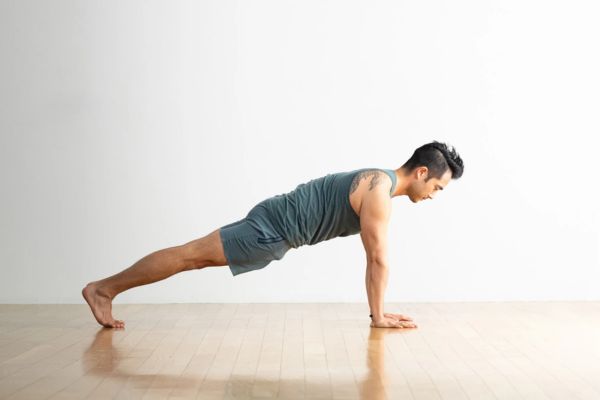
Boat Pose (Navasana) is a core-building powerhouse in yoga. It targets the entire core, from the abdominals to the obliques and lower back, teaching you how to engage all layers of your core. Incorporating this pose into your practice can help you maintain a stable spine during deadlifts, squats, and other lifts. Additionally, Plank Pose (Phalakasana) is another effective core-strengthening pose that helps improve stability and posture for all forms of strength training.
When you strengthen your core with yoga, you’re laying the groundwork for better lifting form, allowing you to execute your exercises more efficiently and with less risk of injury.
5. Flexibility for Recovery and Injury Prevention
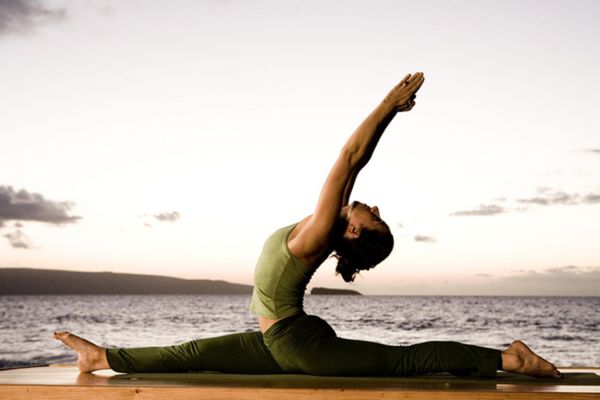
One of the primary reasons yoga is so beneficial for strength training is its ability to aid in recovery. Weightlifting, especially intense or heavy sessions, can lead to muscle tightness, fatigue, and soreness. Yoga’s gentle stretching and restorative poses can help release tight muscles, improve circulation, and support quicker recovery between workouts.
Reclining Hand-to-Big-Toe Pose (Supta Padangusthasana) and Forward Fold (Uttanasana) help lengthen the hamstrings, calves, and lower back, promoting flexibility in key areas used during squats, deadlifts, and lunges. Child’s Pose (Balasana) is a great way to release tension in the hips, lower back, and shoulders, encouraging relaxation and breath control after a tough strength training session.
Yoga also helps address muscle imbalances by stretching tight muscles and strengthening weaker ones, which is essential for injury prevention. For example, Cobra Pose (Bhujangasana) opens the chest and stretches the hip flexors, counteracting the effects of sitting or heavy lifting that can create tightness in these areas.
6. Focus and Mental Clarity for Better Performance
Strength training is not just about physical strength; it also requires mental clarity and focus. Yoga teaches mindfulness and breathing techniques, helping you cultivate a sharper mind and better concentration during your workouts. Many weightlifters report that incorporating yoga into their routines helps them stay more present during their sets, improving performance and reducing distractions.
Through the practice of pranayama (breathing exercises), yoga helps regulate the nervous system, calming the mind and reducing anxiety. This mental clarity translates to better technique, focus, and a more effective workout. When you are fully present, you are less likely to make mistakes, misalign your body, or injure yourself while lifting weights.
7. Yoga Poses That Help with Weight Training
Here’s a list of specific yoga poses that can help complement and improve your strength training:
- Warrior I & II (Virabhadrasana I & II): Great for strengthening the legs, hips, and shoulders.
- Downward-Facing Dog (Adho Mukha Svanasana): Lengthens the hamstrings, improves posture, and builds shoulder strength.
- Chair Pose (Utkatasana): Targets the thighs, hips, and core—ideal for improving squat depth.
- Cobra Pose (Bhujangasana): Opens up the chest and hip flexors, counteracting tightness from heavy lifting.
- Plank Pose (Phalakasana): Strengthens the core, shoulders, and arms for better stability during lifts.
- Bridge Pose (Setu Bandhasana): Targets the glutes, hamstrings, and lower back, helping to stabilize the lower body during squats and deadlifts.
- Pigeon Pose (Eka Pada Rajakapotasana): Deep stretch for the hips and glutes, crucial for improving squat depth.
Conclusion
As a yoga teacher, I always recommend integrating yoga into your strength training routine to enhance muscle balance, flexibility, and endurance. By incorporating yoga poses and stretches, you can improve your range of motion, enhance your stability, and build a strong, flexible body that supports more effective weightlifting and strength training. Whether you’re a seasoned lifter or just beginning your fitness journey, the combination of yoga and weight training offers a holistic approach that nurtures the body, mind, and spirit.
Remember, strength training isn’t just about lifting heavier weights; it’s about building a solid foundation of balance, flexibility, and core stability. Yoga helps achieve that foundation and takes your strength training to the next level.
So next time you hit the gym, consider adding a yoga session or two into your weekly routine, and feel the difference it makes in your performance and recovery!