
Pregnancy and childbirth bring numerous changes to a woman’s body, both physically and emotionally. While pregnancy is an exciting journey, it can also be accompanied by discomfort, fatigue, and various health challenges. This is where yoga comes in, offering a holistic way to stay active, reduce stress, and support the body during this transformative time. Not only can yoga provide relief during pregnancy, but it can also be a helpful tool for recovery after childbirth. This post will explore the benefits of yoga for pregnancy, highlight safe poses during both pre and postnatal care, and guide you through a safe practice that supports you every step of the way.

Why Yoga for Pregnancy and Recovery?
Yoga has long been recognized as an excellent form of exercise due to its focus on flexibility, strength, and mindfulness. For pregnant women, yoga can help alleviate common pregnancy discomforts, including back pain, swelling, and anxiety. Postnatal yoga plays an essential role in helping women recover physically and emotionally after childbirth. It helps rebuild strength, improve posture, relieve stress, and support the body as it transitions to its new state. Furthermore, the mindfulness and breathing techniques in yoga provide tools for coping with the challenges of childbirth and postnatal recovery.
Key Benefits of Yoga During Pregnancy:
- Improves flexibility and strength: As the body changes during pregnancy, maintaining flexibility and strength can ease discomfort.
- Relieves common pregnancy aches and pains: Yoga poses can target areas such as the lower back, hips, and legs, which are often affected by pregnancy.
- Promotes relaxation and stress reduction: Pregnancy can bring emotional and physical stress. Breathing exercises and meditation in yoga can help calm the nervous system.
- Prepares for labor: Yoga helps you to stay in tune with your body and prepare both mentally and physically for childbirth.
- Improves circulation and reduces swelling: Certain yoga poses improve blood flow, which can be beneficial for swelling and general discomfort during pregnancy.
Key Benefits of Yoga After Pregnancy:
- Supports pelvic floor recovery: Postnatal yoga can help in strengthening the pelvic floor muscles, which may have weakened during childbirth.
- Restores strength and stamina: Yoga gently works on restoring core strength and overall physical vitality after delivery.
- Improves posture: After giving birth, many women suffer from poor posture due to carrying the baby and breastfeeding. Yoga can help reset alignment.
- Relieves stress and emotional well-being: Yoga fosters emotional recovery, helping to reduce postnatal depression or anxiety through breathing exercises and relaxation.
Safety Considerations for Yoga During Pregnancy
Before starting any yoga routine during pregnancy, it’s important to consult with your healthcare provider to ensure the poses you are practicing are appropriate for your individual situation. There are certain modifications that need to be made to ensure safety and avoid injury. Generally, the following guidelines are recommended:
- Avoid overextending or overstretching: Pregnancy causes the body to release a hormone called relaxin, which makes ligaments and joints more flexible. This means you may be at risk of overstretching, which could lead to injury.
- Focus on gentle movements: While intense yoga styles like Ashtanga or hot yoga should be avoided, gentler forms like Hatha or prenatal yoga are ideal for expecting mothers.
- Avoid lying flat on your back after the first trimester: After 12 weeks, lying on your back for extended periods can compress the vena cava, the large vein that carries blood from the lower body to the heart, potentially affecting blood flow to your baby.
- Pay attention to your body: Pregnancy yoga should never cause discomfort or pain. Listen to your body and modify poses as needed.

Safe Yoga Poses During Pregnancy
Here are some safe and beneficial yoga poses that you can practice during pregnancy:
1. Cat-Cow Pose (Marjaryasana-Bitilasana)
This gentle flow between two poses warms up the spine, increases mobility, and helps relieve tension in the back and neck, which are often strained during pregnancy.
- How to do it: Start in a tabletop position on your hands and knees. Inhale as you arch your back (cow pose), lifting your head and tailbone toward the ceiling. Exhale as you round your back (cat pose), tucking your chin to your chest. Repeat for several rounds of breath.
2. Warrior II (Virabhadrasana II)
This standing pose strengthens the legs, hips, and arms while improving balance and stability. It’s great for building strength in the lower body, which is important as your body adjusts during pregnancy.
- How to do it: Stand with your legs wide apart, turning one foot outward and bending the knee. Extend your arms parallel to the ground, with your palms facing down. Gaze over your front hand and hold the position for a few breaths, then switch sides.
3. Downward-Facing Dog (Adho Mukha Svanasana)
This popular yoga pose stretches the back, hamstrings, and calves, while also strengthening the arms and shoulders. It helps to relieve tension in the lower back and promotes circulation.
- How to do it: Start in a tabletop position, then lift your hips up and back, keeping your hands shoulder-width apart and your feet hip-width apart. Press your heels toward the floor, while lengthening your spine and reaching your head between your arms.
4. Child’s Pose (Balasana)
This restorative pose is perfect for relaxation and gentle stretching. It soothes the body and mind while providing a safe, supportive way to release tension, especially in the hips and lower back.
- How to do it: Kneel on the floor with your big toes touching and knees apart. Sit back on your heels and extend your arms forward, lowering your forehead to the ground. Breathe deeply and relax.
5. Side-Lying Poses
Side-lying poses are excellent during pregnancy, as they avoid the pressure of lying flat on your back. Side-lying stretches are great for opening the hips and chest, and they help to relieve lower back pain.
- How to do it: Lie on your left side with a cushion or blanket under your head for support. Keep your knees slightly bent and place a pillow between your knees for added comfort. You can also extend your top arm forward to stretch the side of your body.
6. Seated Forward Fold (Paschimottanasana)
A seated forward fold is a gentle way to stretch the hamstrings and lower back without putting too much strain on the body. It can also help with digestion and calm the nervous system.
- How to do it: Sit with your legs extended straight in front of you. Inhale to lengthen your spine, then exhale as you gently fold forward, reaching for your feet or shins. Keep your back long and avoid rounding the spine.

Yoga Poses for Postnatal Recovery
After childbirth, yoga can help women regain strength, flexibility, and balance. It’s important to focus on rebuilding the pelvic floor, core strength, and posture after delivery. Postnatal yoga is also an excellent way to relieve stress and improve mood.
1. Pelvic Tilts
Pelvic tilts are a great way to strengthen the core and pelvic floor muscles after childbirth. This simple movement can relieve lower back pain and support the muscles that were stretched during pregnancy.
- How to do it: Lie on your back with your knees bent and feet flat on the floor. Inhale to lengthen the spine, and as you exhale, gently tilt your pelvis upward, pressing your lower back into the floor. Hold for a few seconds, then release.
2. Bridge Pose (Setu Bandhasana)
Bridge pose helps strengthen the glutes, lower back, and core while also stretching the chest and hips. It’s beneficial for restoring pelvic floor strength after childbirth.
- How to do it: Lie on your back with your knees bent and feet flat on the floor. Press your feet into the floor as you lift your hips toward the ceiling, squeezing your glutes. Hold for a few breaths and then lower back down.
3. Modified Plank Pose
The modified plank pose helps to rebuild core strength after delivery. It’s important to work on strengthening the core and stabilizing the muscles around the spine.
- How to do it: Begin in a tabletop position with your shoulders directly over your wrists. Slowly extend your legs behind you, keeping your knees on the floor. Hold the position while engaging your core.
4. Cow-Cat Stretch
This gentle movement is a great way to stretch and mobilize the spine after childbirth. It helps to reduce stiffness in the back and neck and promotes better posture.
- How to do it: Start on your hands and knees in a tabletop position. Alternate between arching your back (cow) and rounding your back (cat), moving with your breath.
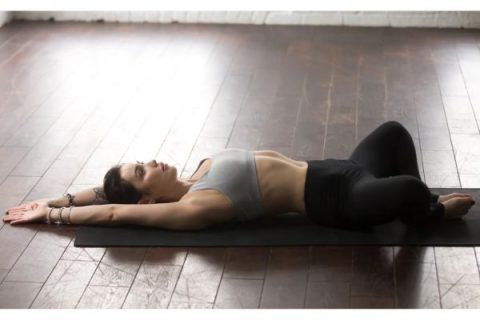
5. Corpse Pose (Savasana)
Savasana is the ultimate relaxation pose in yoga. Postnatal yoga should include Savasana to allow for complete relaxation and mental recovery. It’s important to take time for relaxation and mindfulness as you recover from childbirth.
- How to do it: Lie on your back with your legs extended and your arms resting by your sides. Close your eyes and focus on your breath, letting go of any tension in your body. Stay in this position for 5-10 minutes.
Conclusion: Embrace Yoga for a Healthy Pregnancy and Recovery
Yoga for pregnancy and recovery offers numerous physical and emotional benefits, from alleviating common discomforts during pregnancy to supporting the healing process after childbirth. By practicing safe, gentle yoga poses, you can enhance your well-being during both the prenatal and postnatal stages of your journey. As always, listen to your body, stay in tune with your needs, and consult a healthcare provider before starting any yoga practice. With consistency and mindfulness, yoga can help you achieve a smoother, more comfortable pregnancy and a quicker, more balanced postnatal recovery.