
In recent years, the wellness industry has seen a revolutionary shift, with online yoga classes quickly gaining popularity. What was once a niche offering has now become a mainstream activity. From fitness enthusiasts to beginners seeking mental calm, people are increasingly opting for virtual sessions over traditional in-person yoga classes. But why is this shift happening, and what makes online yoga classes so appealing? In this blog post, we’ll explore the rise of online yoga, how it’s changing the fitness landscape, and why virtual sessions are becoming the future of wellness.
The Growth of Online Yoga
Online yoga classes have experienced a meteoric rise over the last few years. The global pandemic of 2020 played a significant role in this, as lockdowns forced gyms and yoga studios to close temporarily. During this time, many yoga instructors turned to digital platforms to continue teaching their students, and people seeking to stay active in their homes found yoga to be a flexible and accessible solution.
But even as the world returns to normal, the online yoga trend shows no signs of slowing down. According to a report by Grand View Research, the global yoga market is expected to reach $66.2 billion by 2027, with virtual platforms playing a large role in that growth. Whether it’s a live-streamed class, a pre-recorded session, or a personalized one-on-one lesson, the flexibility and convenience offered by online yoga classes have made them an appealing option for people of all ages and fitness levels.
How Online Yoga is Changing the Fitness Landscape
The traditional model of fitness and wellness relied heavily on physical spaces where people could gather for classes or sessions. While this setup worked for many, it often required a significant time investment and commitment. Commuting to a studio, adjusting to fixed schedules, and even dealing with overcrowded classes were just a few of the obstacles people faced.
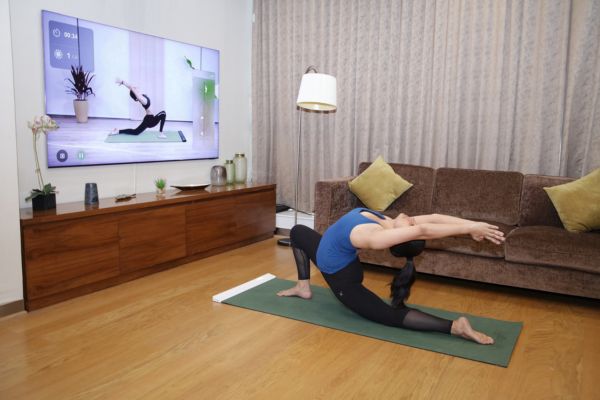
In contrast, online yoga removes these barriers. People can now practice yoga in the comfort of their homes, at times that work best for them, and with instructors from all over the world. This democratization of access has had a profound impact on the fitness industry, allowing yoga to become more inclusive and diverse in terms of both participants and instructors.
Having said that there are so many advantages of online yoga classes still the beauty of offline in-person, physical yoga class hits different. But when there are limitations and has demand to put significant efforts to practice the wellness at physical offline yoga class, then rather than abstaining from the practice it is always well-suggested to join your favourite yoga teacher’s online yoga classes. Even if your place of residence doesn’t has the yoga expert you desire, you can still connect to any world renowned, highly expertise yoga instructor through the medium of Technology.
1. Flexibility and Convenience
One of the most attractive features of online yoga is its unparalleled flexibility. Unlike traditional yoga classes, which typically have set times and locations, online classes can be accessed whenever and wherever a person wants. Many platforms offer on-demand classes, which allow participants to choose from a wide range of sessions based on their schedules. Whether it’s a 30-minute flow before work or a deep stretching routine before bed, the convenience of being able to practice yoga whenever it fits into one’s day is a game-changer for many.
For individuals with busy lifestyles, this flexibility is crucial. Working professionals, parents, and people with tight schedules no longer have to worry about missing a class or committing to a specific time slot. They can simply log in to their preferred online yoga platform and practice at their own pace.
2. Variety and Accessibility
In a physical yoga studio, your options are often limited by the instructor’s availability and the studio’s offerings. However, with online yoga, participants have access to an array of different styles, teachers, and specializations from across the globe. Whether you’re interested in Hatha yoga, Vinyasa, Ashtanga, or even niche practices like Kundalini or Yoga Nidra, there’s a virtual class for you.
Online yoga platforms also cater to various skill levels, from complete beginners to advanced practitioners. Many platforms allow you to filter classes based on difficulty, time, and style, making it easier to find sessions that align with your goals. Moreover, online yoga classes break down geographical barriers, enabling students to learn from some of the best yoga instructors, regardless of where they are located.
This accessibility is particularly important for people who may not have access to quality yoga instruction locally. For example, people living in smaller towns or rural areas might not have a yoga studio nearby, but with online classes, they can still enjoy high-quality instruction without having to travel.
3. Personalized Experience
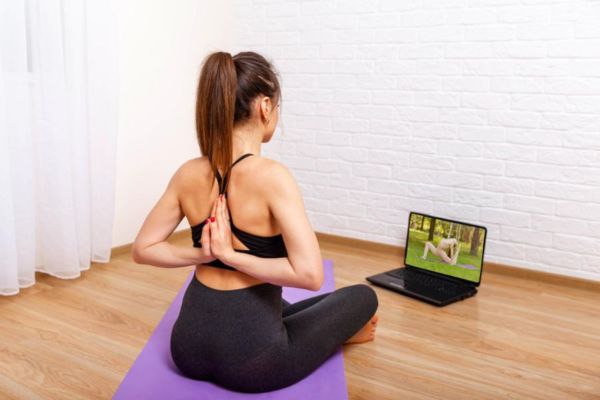
While large group classes are a staple of in-person yoga studios, one downside is the lack of personalized attention. In an online setting, however, many instructors offer one-on-one sessions or small group classes, allowing for more focused guidance. Whether it’s through a private Zoom session or via personalized feedback in a live-streamed class, virtual yoga enables instructors to offer tailored advice based on each individual’s progress and needs.
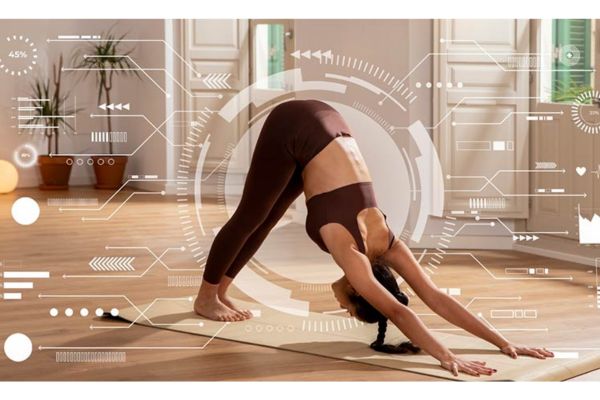
Moreover, online yoga platforms are increasingly incorporating AI technology to enhance the user experience. Some platforms track your movements and provide real-time feedback on posture and alignment, making your practice more effective and reducing the risk of injury. This personalized approach helps to bridge the gap between the self-paced nature of online classes and the hands-on guidance typically found in physical studios.
4. Affordability
Cost is another major factor driving the popularity of online yoga classes. Traditional yoga studios often require costly membership fees, which can be a significant barrier for people who want to practice regularly. In contrast, online yoga platforms tend to offer more affordable pricing models, with options like monthly subscriptions, pay-per-class, or free introductory sessions.
This affordability makes yoga more accessible to a broader range of people, including students, young professionals, and individuals who may not have the budget for expensive memberships. Additionally, many online platforms offer free classes or trial periods, allowing potential students to test out various instructors or styles before committing to a subscription.
5. Health and Safety Concerns
Even in the post-pandemic world, health and safety remain a priority for many individuals. For some, the idea of practicing yoga in a public space with other people may not be ideal. Online yoga provides a safe and hygienic alternative, allowing individuals to practice in the privacy of their own homes.
Additionally, online yoga classes enable people with certain health conditions or mobility challenges to practice at their own pace and comfort level. Whether recovering from an injury, dealing with chronic pain, or simply needing a gentler practice, virtual classes can be adjusted to meet individual needs. This level of comfort and control encourages long-term engagement and consistency in one’s practice.

Why People Are Choosing Virtual Yoga Over In-Person Classes
With all the advantages of online yoga, it’s clear why so many people are opting for virtual classes over in-person sessions. Here are some key reasons why online yoga is becoming the preferred choice for wellness:
1. Comfort and Privacy
Practicing yoga at home means you have the freedom to move at your own pace and experiment with different poses without the fear of being judged. This is especially appealing for beginners who might feel self-conscious about their abilities in a public class. Virtual classes allow people to develop confidence in their practice, and over time, they may feel more comfortable transitioning to in-person classes if desired.
2. Global Community
While practicing alone at home, many online yoga platforms still foster a sense of community. With live-streamed classes, chat features, and online groups, participants can interact with fellow yogis from around the world, share their experiences, and encourage each other. This global connection can be incredibly motivating and enriching.
3. Customization and Control
With online yoga, you’re in control of every aspect of your practice. You can choose the type of class, the instructor, and even the environment you practice in. Whether you want to dim the lights, play your favorite music, or use specific props, the power to customize your yoga practice is a huge benefit of virtual sessions.
The Future of Online Yoga
As the world becomes more digital and interconnected, online yoga is poised to continue its upward trajectory. In the coming years, we can expect even more innovative features, such as AI-driven personalized instruction, virtual reality yoga experiences, and integration with wearables to track progress in real-time. These advancements will only make online yoga more immersive, accessible, and effective for practitioners around the world.
Yoga’s integration with technology is not just a trend—it’s the future of wellness. As more people prioritize health, mindfulness, and self-care, the flexibility and inclusivity of online yoga will continue to resonate with people of all ages, backgrounds, and fitness levels.
Conclusion
Online yoga classes are more than just a passing trend—they represent a fundamental shift in how people approach wellness. The flexibility, accessibility, affordability, and personalization offered by virtual sessions make them an ideal choice for many individuals. As the digital landscape evolves, it’s clear that online yoga will play a key role in shaping the future of fitness and wellness. Whether you’re a seasoned yogi or a complete beginner, virtual yoga provides the tools and community needed to develop a sustainable and fulfilling practice that fits your lifestyle.