
In today’s fast-paced world, mental clarity and focus are essential for managing our daily lives. One way to enhance brain function, reduce stress, and improve mental well-being is through practicing yoga asanas. These physical postures, when combined with mindful breathing techniques and meditation, offer significant benefits to the brain, helping you achieve optimal cognitive performance and emotional balance.
In this blog post, we’ll explore the profound impact that yoga asanas can have on brain function, why you should incorporate them into your routine, and which specific poses are most effective for mental clarity.
What Are Yoga Asanas?
Yoga asanas are physical postures that form an integral part of yoga practice. Originating in ancient India, these asanas were originally developed to help prepare the body for meditation. Over time, yoga evolved into a system that includes physical, mental, and spiritual practices to foster overall well-being.
Each yoga asana is designed to stretch and strengthen various parts of the body, improve flexibility, and promote overall health. When performed regularly, yoga asanas offer a host of physical and mental health benefits, one of the most significant being improved brain function.
How Yoga Affects the Brain
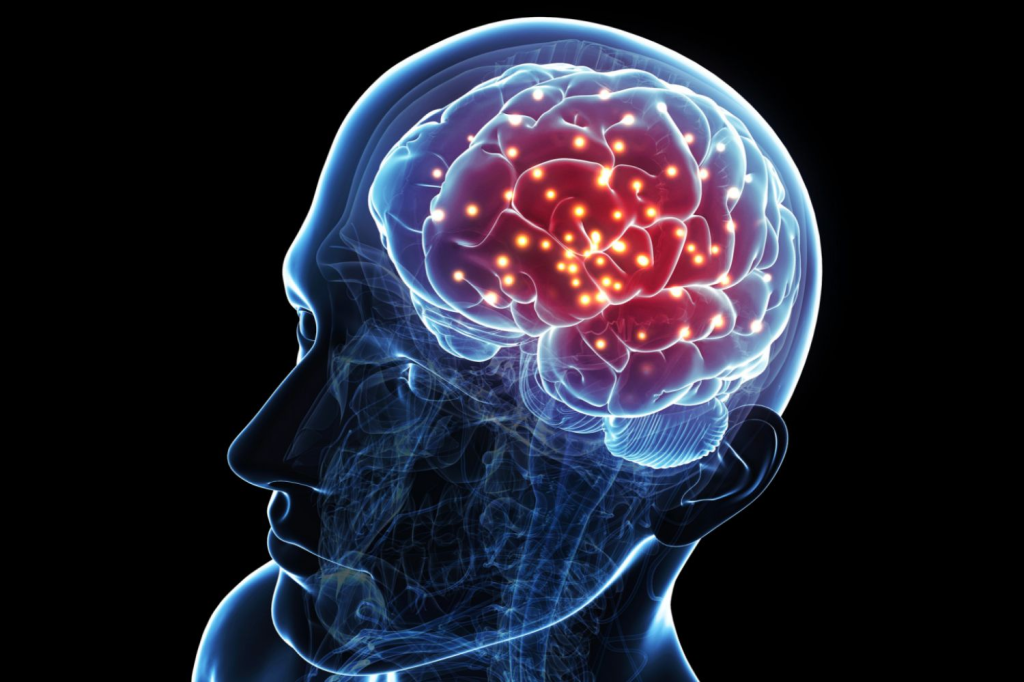
Yoga has been shown to positively influence several aspects of brain function. Some of the most profound benefits include:
- Stress Reduction and Relaxation
Chronic stress has been linked to cognitive decline and various mental health disorders. Yoga helps reduce stress by activating the parasympathetic nervous system, which is responsible for the body’s relaxation response. Certain poses, particularly those that involve deep breathing, promote a state of calm and reduce cortisol levels, the hormone associated with stress. - Improved Focus and Concentration
Regular yoga practice helps sharpen mental focus. The combination of holding specific postures and deep breathing enhances concentration and strengthens the mind-body connection. This effect is particularly useful in enhancing cognitive abilities like memory retention, problem-solving, and multitasking. - Increased Blood Flow to the Brain
Certain yoga asanas help improve circulation throughout the body, including to the brain. Improved blood flow ensures that the brain receives an adequate supply of oxygen and nutrients, which supports cognitive functions such as memory, learning, and mental clarity. - Enhanced Neuroplasticity
Neuroplasticity is the brain’s ability to reorganize and form new neural connections throughout life. Studies suggest that yoga can stimulate neuroplasticity, potentially reversing some effects of aging and improving cognitive function. Asanas that encourage balance and coordination, such as tree pose (Vrikshasana) or warrior poses (Virabhadrasana), stimulate brain regions responsible for motor control and cognitive flexibility. - Reduction of Anxiety and Depression
Yoga asanas have been shown to activate areas of the brain associated with mood regulation, helping to alleviate symptoms of anxiety and depression. These poses encourage mindfulness, which fosters emotional resilience and encourages a more positive outlook on life. - Better Sleep Quality
Quality sleep is essential for cognitive function, and yoga can improve sleep patterns by calming the mind and relaxing the body. This leads to better memory consolidation and clearer thinking the following day.

Best Yoga Asanas for Brain Function
While all yoga asanas offer some benefit to the brain, certain poses are particularly effective in stimulating mental clarity and boosting cognitive function. Here are a few key asanas that can help improve brain health:
1. Sirsasana (Headstand)
Often referred to as the “king of asanas,” the headstand is an advanced yoga pose that has numerous benefits for the brain. It helps increase blood circulation to the brain, enhancing oxygen supply and stimulating brain activity. It also promotes a sense of calm and reduces mental fatigue. However, it is important to practice headstands under the guidance of an experienced yoga instructor to avoid any strain on the neck and spine.
Benefits:
- Improves blood circulation to the brain
- Enhances mental focus and clarity
- Reduces anxiety and stress
- Stimulates the pituitary and pineal glands
2. Adho Mukha Svanasana (Downward-Facing Dog)
The downward-facing dog is a fundamental yoga pose that stretches and strengthens the body while calming the mind. This asana increases blood flow to the brain, reduces tension, and promotes mental relaxation. It also helps alleviate stress and fatigue, making it an excellent pose to practice during busy workdays.
Benefits:
- Enhances blood flow to the brain
- Relieves stress and tension
- Boosts mental clarity and concentration
- Improves focus and productivity
3. Balasana (Child’s Pose)
The child’s pose is a restorative yoga posture that encourages relaxation and stress reduction. It calms the nervous system and promotes deep breathing, which helps lower cortisol levels. When done regularly, Balasana can significantly improve brain function by reducing mental fatigue and enhancing focus.
Benefits:
- Reduces stress and anxiety
- Improves concentration
- Calms the mind
- Promotes mindfulness and relaxation
4. Vriksasana (Tree Pose)
The tree pose is a standing balance posture that engages both the body and the mind. This asana enhances concentration and strengthens the body’s stability, which in turn improves cognitive focus. By balancing on one leg, the brain strengthens its ability to process sensory information and maintain focus in the present moment.
Benefits:
- Improves balance and coordination
- Strengthens the mind-body connection
- Enhances mental clarity and focus
- Stimulates brain regions involved in motor control
5. Trikonasana (Triangle Pose)
The triangle pose is an excellent asana for improving overall body flexibility and strength. It also promotes mental clarity by stimulating the brain and relieving tension in the neck and shoulders. The deep breathing associated with this pose helps calm the mind, making it easier to focus on tasks and ideas.
Benefits:
- Improves flexibility and strength
- Enhances brain function and mental clarity
- Reduces tension and stress
- Improves concentration and focus
6. Setu Bandhasana (Bridge Pose)
The bridge pose is another effective yoga asana that stimulates blood circulation to the brain. This posture opens the chest and shoulders, which relieves tension and allows for deeper, more relaxed breathing. The increased oxygen supply helps clear the mind and promotes mental clarity.
Benefits:
- Improves blood flow to the brain
- Reduces anxiety and stress
- Enhances mental focus and concentration
- Opens up the chest and relieves tension
7. Pranayama (Breath Control Exercises)
While not a traditional asana, pranayama is an essential practice in yoga that directly impacts brain function. Pranayama involves various breathing techniques that regulate the flow of energy (prana) within the body. These techniques have been shown to improve brain health by enhancing oxygen supply to the brain, reducing stress, and boosting cognitive function.
Benefits:
- Increases oxygen supply to the brain
- Calms the mind and reduces stress
- Enhances mental clarity and focus
- Improves emotional stability and mood

How to Incorporate Yoga into Your Daily Routine
Incorporating yoga into your daily routine can be a simple yet highly effective way to enhance brain function. Here are a few tips to help you get started:
- Start with a Short Session
If you’re new to yoga, begin with short sessions of 10 to 15 minutes. Gradually increase the duration as you become more comfortable with the practice. - Focus on Your Breath
Breathing is a fundamental aspect of yoga. Practice deep, mindful breathing throughout your asana practice to improve oxygen flow to the brain and reduce stress. - Make Yoga a Daily Habit
Consistency is key to experiencing the benefits of yoga. Try to practice daily, even if it’s just for a few minutes each morning or evening. - Join a Yoga Class
If you’re unsure where to start, consider joining a local or online yoga class. An instructor can guide you through proper alignment, help you deepen your practice, and provide valuable feedback.
Conclusion
Yoga asanas offer a powerful way to improve brain function, reduce stress, and promote mental clarity. By incorporating a regular yoga practice into your daily routine, you can reap the cognitive benefits that will help you stay focused, sharp, and emotionally balanced. The combination of physical movement, mindful breathing, and meditation nurtures both the body and mind, making yoga an invaluable tool for enhancing brain health and overall well-being.
Remember, the journey to better brain function through yoga is a gradual process. With consistent practice and patience, you will begin to notice improvements in mental clarity, emotional stability, and overall cognitive performance.