
Introduction
In today’s fast-paced world, sleep deprivation is more than just an occasional inconvenience—it’s a widespread public health crisis. According to studies, nearly one in three adults don’t get enough sleep on a regular basis. Chronic lack of sleep leads to a cascade of negative effects on the nervous system, impacting everything from mood to memory to immune function.
Fortunately, ancient practices like Yoga Nidra offer a scientifically-backed solution to modern sleep problems. Often called “yogic sleep,” Yoga Nidra is a powerful meditation technique that triggers deep relaxation, helping repair the nervous system and restore the body’s natural rhythms.
In this article, we’ll explore the science behind sleep deprivation and explain how Yoga Nidra can help reboot your nervous system, promoting better sleep and overall wellness.
Understanding Sleep Deprivation: More Than Just Feeling Tired
Sleep is not a luxury—it is a biological necessity. Yet millions are stuck in a cycle of chronic sleep deprivation. But what exactly happens to your body and brain when you don’t get enough rest?
1. The Nervous System Goes into Overdrive
When you’re sleep-deprived, your sympathetic nervous system—the part responsible for the “fight or flight” response—becomes hyperactive. Cortisol (the stress hormone) levels rise, leading to increased heart rate, higher blood pressure, and elevated blood sugar.
2. Impaired Brain Function
Lack of sleep disrupts communication between neurons, resulting in:
- Slower reaction times
- Poor decision-making
- Memory lapses
- Emotional instability
Over time, the brain struggles to detoxify itself, leading to a higher risk of neurodegenerative diseases.
3. Weakening Immune System
Chronic sleep deprivation suppresses immune defenses, making you more susceptible to illnesses and infections. Recovery from any ailment also becomes slower.
4. Mood Disorders and Mental Health Decline
Scientific research shows that sleep deprivation is linked to:
- Depression
- Anxiety
- Increased risk of suicidal thoughts
Clearly, sleep is not optional—it’s foundational to health. And this is where Yoga Nidra steps in as a transformative tool.
What Is Yoga Nidra?
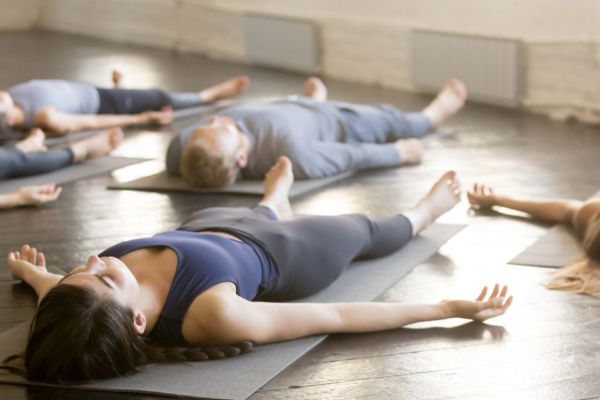
Yoga Nidra, often translated as “yogic sleep,” is a deeply restful guided meditation practice. Unlike regular sleep, Yoga Nidra brings you to a state between wakefulness and sleep—the hypnagogic state—where profound healing can occur.
During a typical Yoga Nidra session, practitioners are guided through:
- Systematic relaxation of the body
- Breath awareness
- Emotional release
- Visualization and setting of positive intentions (Sankalpa)
Unlike other meditation styles that demand focus and effort, Yoga Nidra requires only passive awareness—making it accessible even for beginners.
Fun Fact:
Twenty minutes of Yoga Nidra is said to be equivalent to about three hours of deep sleep in terms of nervous system recovery!

How Yoga Nidra Repairs the Nervous System
Let’s dive into the science of why Yoga Nidra is so effective:
1. Activates the Parasympathetic Nervous System
Yoga Nidra stimulates the parasympathetic nervous system—responsible for “rest and digest” functions. This activation shifts the body away from chronic stress, slowing down the heart rate, enhancing digestion, and promoting relaxation.
Through deep diaphragmatic breathing and guided body scans, the vagus nerve (the main nerve of the parasympathetic system) is stimulated, helping the body enter a state of true restfulness.
2. Reduces Cortisol Levels
Scientific studies show that regular Yoga Nidra practice significantly lowers cortisol levels. Lower cortisol means:
- Decreased inflammation
- Improved metabolic function
- Better mood and mental clarity
3. Improves Heart Rate Variability (HRV)
Heart Rate Variability (HRV) is a critical measure of nervous system resilience. A higher HRV indicates a healthy, adaptable nervous system. Research has found that Yoga Nidra improves HRV, making you better equipped to handle daily stress.
4. Enhances Brainwave Activity
During Yoga Nidra, brainwaves shift from Beta (alert, stressed state) to Alpha and Theta waves:
- Alpha Waves: Indicate a calm but alert state.
- Theta Waves: Associated with deep relaxation and memory processing.
This brainwave activity mimics what happens during the deepest stages of non-REM sleep—giving the brain the restorative break it needs.
5. Releases Emotional and Mental Tensions
Most of us carry subconscious tensions that rob us of peaceful sleep. Yoga Nidra’s systematic relaxation and visualization techniques help access and release these hidden stressors, leading to a deeper emotional detox.
Scientific Studies Supporting Yoga Nidra for Sleep
Several clinical studies have confirmed the benefits of Yoga Nidra:
- A 2018 study in the International Journal of Yoga found that Yoga Nidra improved sleep quality and reduced insomnia in a group of patients with chronic sleep disorders.
- A 2020 trial published in Complementary Therapies in Clinical Practice showed that Yoga Nidra significantly reduced anxiety and depression symptoms, leading to better sleep outcomes.
- Research on veterans with PTSD found that regular Yoga Nidra practice lowered hyperarousal symptoms, helping improve both day-time functioning and nighttime rest.
The evidence is clear: Yoga Nidra is a scientifically-proven method to heal sleep issues and restore nervous system balance.

How to Practice Yoga Nidra for Better Sleep
Yoga Nidra is incredibly easy to integrate into your daily routine. Here’s a step-by-step beginner-friendly guide:
1. Create the Right Environment
- Find a quiet, dimly lit room.
- Lie down comfortably on your back (use a bolster or pillows if needed).
- Cover yourself with a light blanket if the room is cool.
2. Set Your Intention (Sankalpa)
Decide on a short, positive affirmation. Example: “I am at peace,” or “I allow myself to rest.”
3. Follow a Guided Session
Use a Yoga Nidra app, YouTube video, or attend a live session. A typical session lasts 20–40 minutes.
4. Focus on Body Awareness
The guide will ask you to mentally scan and relax each part of your body, moving your awareness systematically.
5. Deep Breathing
Practice slow, diaphragmatic breathing to deepen relaxation.
6. Visualization
You may be guided through serene mental imagery like floating clouds, a calm ocean, or a peaceful forest.
7. Transition Slowly
After the session, roll to one side and sit up slowly. Take a moment to notice how you feel before getting back to your day.
Tip:
For better results, practice Yoga Nidra daily, especially in the evening, to prepare your body for sleep.
Final Thoughts
Yoga Nidra is not just a relaxation technique—it’s a deeply therapeutic tool rooted in ancient wisdom and backed by modern science. If you’re struggling with sleep deprivation, chronic stress, or an overactive mind, making Yoga Nidra a part of your routine could transform your nights—and your life.
By calming the sympathetic nervous system, balancing hormones, improving brainwave patterns, and detoxifying the mind of hidden stressors, Yoga Nidra repairs the nervous system naturally, offering a simple yet profound solution to one of the most pressing health challenges of our time.
Start your journey into Yoga Nidra today—and finally reclaim the deep, restorative sleep your body and soul have been craving.
FAQs About Yoga Nidra and Sleep
Q: How often should I practice Yoga Nidra to improve sleep?
A: Ideally, daily practice gives the best results, but even 3–4 sessions a week can make a noticeable difference.
Q: Can Yoga Nidra replace regular sleep?
A: No, Yoga Nidra is a supplement to healthy sleep habits, not a substitute. However, it can dramatically improve the quality of your natural sleep.
Q: How long should a Yoga Nidra session be?
A: Sessions typically range from 20 to 45 minutes. Even short sessions can be extremely beneficial for the nervous system.