
Introduction
Recovering from an illness or medical condition isn’t just about taking medication or completing a treatment cycle. True healing requires restoring strength, regaining mental peace, and rebuilding confidence in your body. That’s where post-ailment recovery yoga plays a powerful role. Whether you’re healing from surgery, chronic illness, or stress-induced fatigue, yoga offers a gentle yet effective route to recovery.
In this blog, we’ll explore what post-ailment recovery yoga is, why it works, and how you can incorporate it into your journey to total wellness.
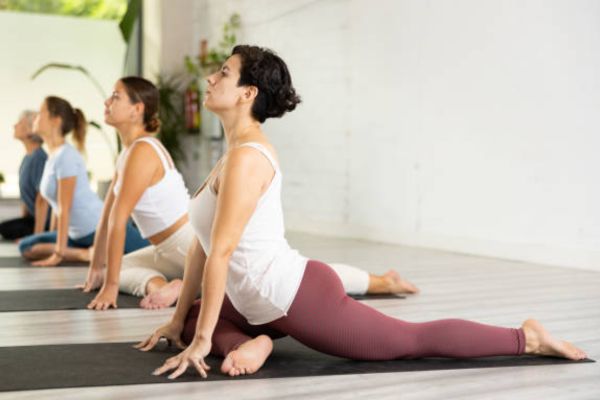
What is Post-Ailment Recovery Yoga?
Post-ailment recovery yoga refers to a specialized approach to yoga that supports the body and mind in healing after an illness, injury, surgery, or chronic health condition. Unlike general yoga sessions, these practices are slow, mindful, and tailored to individual health needs.
It combines therapeutic yoga, restorative postures, breathwork (pranayama), and guided relaxation techniques. Each element works synergistically to reduce residual stress, rebuild muscle tone, support internal organ function, and enhance mental well-being.
Why Choose Yoga for Post-Ailment Recovery?
Modern medicine focuses on treating disease, but often misses the deeper layers of healing. Yoga complements medical recovery by addressing:
- Physical restoration: Through gentle movements and stretching.
- Mental healing: By calming the nervous system and reducing anxiety.
- Emotional support: By encouraging mindfulness, acceptance, and inner balance.
- Breath awareness: Helping regulate the autonomic nervous system.
Key Benefits of Post-Ailment Recovery Yoga
- Improved Mobility and Flexibility
Slowly reintroducing movement can prevent stiffness and joint immobility, which are common after prolonged rest. - Enhanced Immunity
Certain yogic practices, like gentle twists and supported inversions, help improve lymphatic drainage and immunity. - Reduced Pain and Inflammation
Mindful stretching and breathwork have been shown to reduce inflammation markers and ease chronic pain. - Better Sleep and Digestion
Deep breathing and restorative poses support parasympathetic activation — crucial for better digestion, sleep, and tissue repair. - Emotional Resilience
Facing illness often leads to emotional lows. Yoga supports emotional processing, acceptance, and long-term resilience.
Ideal Ailments that Respond Well to Recovery Yoga
Post-ailment recovery yoga can be particularly beneficial for individuals recovering from:
- Surgical procedures (knee replacement, spinal surgery, C-section recovery)
- Viral infections (like COVID-19, dengue, or flu)
- Respiratory conditions (asthma, bronchitis, pneumonia)
- Chronic fatigue syndrome (CFS) or fibromyalgia
- Cancer treatments (chemotherapy/radiation fatigue)
- Muscle or joint injuries (arthritis, frozen shoulder)
- Mental health challenges (burnout, depression, anxiety)

Essential Elements of a Post-Ailment Recovery Yoga Session
A well-designed recovery yoga class includes:
1. Breath-Centered Warm-Up
Starting with deep breathing helps awaken the body and stabilize oxygen flow. Practices like Ujjayi, Anulom-Vilom, and simple diaphragmatic breathing are excellent.
2. Gentle, Supported Asanas
These include:
- Supta Baddha Konasana (Reclined Bound Angle Pose)
- Setu Bandhasana (Bridge Pose) with a bolster
- Viparita Karani (Legs-up-the-wall Pose)
- Balasana (Child’s Pose) for spinal release
- Marjaryasana-Bitilasana (Cat-Cow) to stimulate fluidity in the spine
3. Mindful Movement
Encouraging body awareness with slow transitions, using props and breath-synchronized flow to avoid strain.
4. Guided Relaxation
Yoga Nidra (yogic sleep) or body scan meditation is essential to activate deep parasympathetic healing.
5. Closing with Affirmations
Ending sessions with positive affirmations or gratitude journaling helps rebuild mental strength and hope.
Real-Life Example: Recovery through Yoga
Aarti, 42, a resident of Thane, was struggling with fatigue and low immunity after recovering from dengue. After joining a post-ailment recovery yoga class, she noticed:
- Higher energy levels within 2 weeks
- Improved digestion and better sleep
- Reduced stress and a renewed sense of confidence
Her story is just one of many — yoga has empowered countless individuals in Thane to recover holistically and prevent future relapses.
Important Safety Tips for Recovery Yoga Practice
- Always consult your doctor before beginning yoga post-ailment.
- Choose a certified yoga therapist who understands your health history.
- Start with short sessions (20-30 minutes) and increase gradually.
- Listen to your body — pain is a signal to stop.
- Use props (bolsters, straps, blocks) generously.
- Hydrate well and avoid yoga immediately after meals.

Post-Ailment Yoga vs Regular Yoga: What’s the Difference?
| Feature | Regular Yoga | Post-Ailment Recovery Yoga |
|---|---|---|
| Pace | Moderate to intense | Slow and gentle |
| Intention | Fitness, flexibility, stress relief | Healing, rest, regeneration |
| Target Group | General population | People recovering from illness/injury |
| Modifications | Limited | Highly customized |
| Instructor Qualification | Certified yoga teacher | Certified yoga therapist/rehab specialist |
Looking for Post-Ailment Recovery Yoga in Thane?
At Shwet Yoga Wellness Institute, Thane, we offer specialized recovery-focused yoga programs led by certified professionals. Whether you’re healing from surgery, dealing with post-viral weakness, or regaining strength after childbirth, our personalized sessions are designed for safe, effective, and empowering healing.
Features of Our Recovery Yoga Program:
- 1-on-1 consultations with wellness experts
- Tailored yoga sequences and breathwork
- Gentle meditation and sound therapy integration
- Regular progress tracking
- Safe space for emotional expression and healing
???? Conveniently located in Thane West, our studio welcomes individuals of all ages and conditions.
FAQs on Post-Ailment Recovery Yoga
1. Can yoga replace physiotherapy during recovery?
Yoga can complement but not replace physiotherapy. In many cases, therapists and yoga practitioners work together to create an integrative recovery plan.
2. Is yoga safe immediately after surgery?
Usually, it’s best to wait for your doctor’s approval. Gentle breathing exercises can be started earlier, but asanas should be introduced gradually with professional supervision.
3. How soon will I see results?
Depending on your ailment, noticeable results in energy, mood, and mobility can be seen within 2–4 weeks of regular practice.
4. I have limited mobility—can I still do yoga?
Absolutely. Post-ailment yoga emphasizes chair yoga, bed yoga, or fully supported positions that require no prior flexibility.
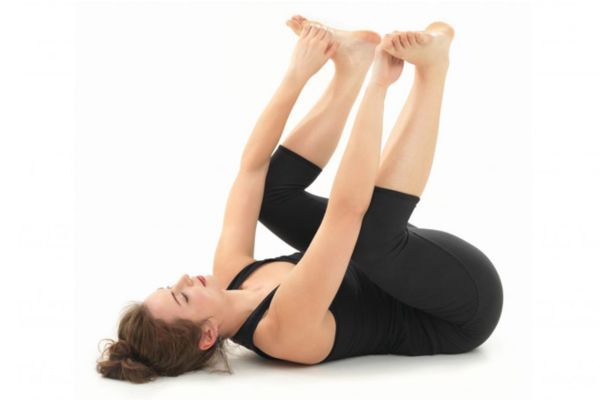
Conclusion: Heal Holistically with Post-Ailment Recovery Yoga
Illness doesn’t just affect your body — it affects your mind, emotions, and sense of self. Post-ailment recovery yoga brings the body, breath, and mind into a healing space, accelerating recovery from the inside out.
Whether you’re overcoming fatigue, regaining mobility, or rebuilding mental strength after illness, recovery yoga offers a gentle, non-invasive, and empowering path forward.
If you’re searching for post-ailment recovery yoga in Thane, connect with us at Shwet Yoga Wellness Institute and take your first step towards complete well-being.