
The term “yoga” is often associated with physical postures and stretching, but its roots run far deeper. For those who seek a more profound connection with the yogic path, the Eight Limbs of Yoga offer a comprehensive framework to understand the spiritual, mental, and physical disciplines that make up the essence of yoga.
This ancient system, detailed in the Yoga Sutras of Patanjali (recommended yoga books), outlines a path for personal development that leads to ultimate liberation, or samadhi. In this blog, we’ll break down each limb in a practical, digestible way—perfect for beginners who are eager to explore yoga beyond the mat.
What Are the Eight Limbs of Yoga?
The Eight Limbs of Yoga, or Ashtanga Yoga (ashta = eight, anga = limb), form a sequential guide for personal growth. They are:
- Yama (Moral Restraints)
- Niyama (Personal Observances)
- Asana (Posture)
- Pranayama (Breath Control)
- Pratyahara (Withdrawal of Senses)
- Dharana (Concentration)
- Dhyana (Meditation)
- Samadhi (Union or Bliss)
Let’s explore each limb in depth.
1. Yama: Ethical Foundations
The Yamas are five moral disciplines that govern our interactions with the external world. They are the ethical codes of yoga—do’s and don’ts meant to purify actions and reduce suffering.
- Ahimsa (Non-violence): More than just refraining from physical harm, Ahimsa extends to thoughts and words. Practicing kindness, compassion, and empathy in daily life is the essence of this yama.
- Satya (Truthfulness): Living with integrity and honesty in speech and action.
- Asteya (Non-stealing): Respecting what belongs to others, including time and energy.
- Brahmacharya (Right Use of Energy): Often interpreted as celibacy, but in a broader sense, it means channeling your energy toward your higher goals.
- Aparigraha (Non-possessiveness): Letting go of material attachments and cultivating contentment.
Beginner Tip: Start with Ahimsa. Observe how often self-criticism or judgment creeps into your inner dialogue, and shift it to something compassionate.

2. Niyama: Personal Discipline
Niyamas are five inward observances that cultivate self-discipline and spiritual growth.
- Shaucha (Purity): Cleanliness of body and mind. This includes detoxifying habits, eating fresh food, and maintaining a clear environment.
- Santosha (Contentment): Acceptance and peace with what is. It’s not passive; it’s the active practice of gratitude.
- Tapas (Self-discipline): The inner fire that pushes you to grow. Whether it’s maintaining a daily practice or rising early, tapas builds resilience.
- Svadhyaya (Self-study): Study of sacred texts and self-reflection. Understanding your patterns, thoughts, and behaviors is key.
- Ishvara Pranidhana (Surrender to the Divine): Letting go of ego and trusting in the greater flow of life.
Beginner Tip: Choose one Niyama to focus on for a week. Journal your reflections.
3. Asana: The Physical Posture
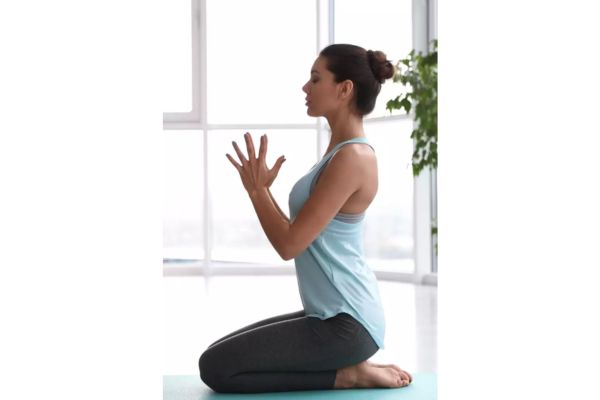
In the modern world, the word “yoga” is often synonymous with asana. But originally, asana meant a “seat”—a stable and comfortable posture for meditation.
Today, asana practice serves to prepare the body for meditation by building strength, flexibility, and balance. It also aligns the spine, improves circulation, and clears physical blockages in the energy system.
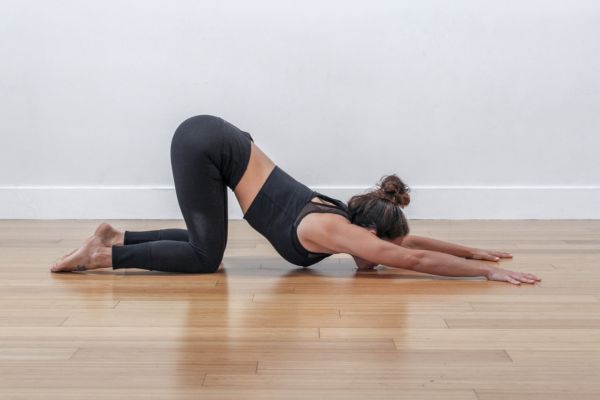
Beginner Tip: Don’t chase complex poses. Instead, focus on developing ease and awareness in simple postures like Sukhasana (Easy Pose), Tadasana (Mountain Pose), or Balasana (Child’s Pose).

4. Pranayama: Mastering the Breath
Pranayama, or breath regulation, is the bridge between body and mind. “Prana” means life force, and “ayama” means to extend or control. Thus, pranayama is the practice of expanding life energy through breath.
There are many techniques, from calming (like Nadi Shodhana) to energizing (like Kapalabhati). Each method has specific physiological and mental effects.
Beginner Tip: Start with simple breath awareness. Inhale for four counts, exhale for four counts. Observe the sensations.
5. Pratyahara: Turning Inward
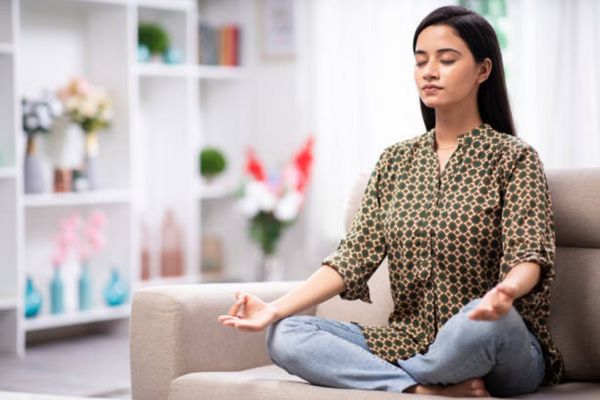
Pratyahara is the withdrawal of the senses from external objects. It’s not about suppression but about conscious detachment. Imagine sitting in a noisy café, yet being completely immersed in reading a book. That’s Pratyahara.
This limb builds the foundation for deep concentration and meditation. By detaching from sensory overload, the mind becomes still and reflective.
Beginner Tip: Try a “digital detox” hour each day. No screens, no music—just you and your breath.
6. Dharana: Focused Concentration
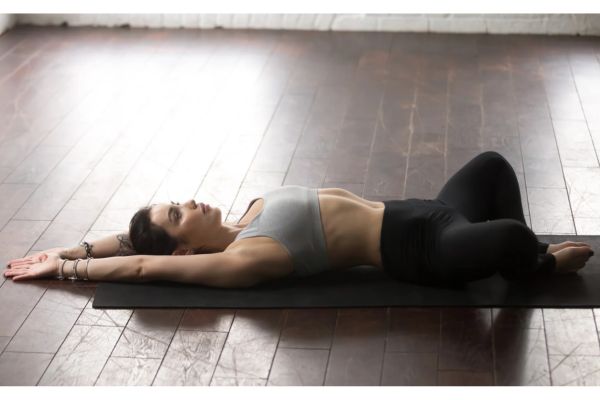
Dharana is the practice of focused attention. It involves fixing the mind on a single point—like a mantra, an image, or the breath.
Unlike our default state of mind, which jumps from thought to thought, Dharana trains mental steadiness. This discipline is essential before one can enter true meditation.
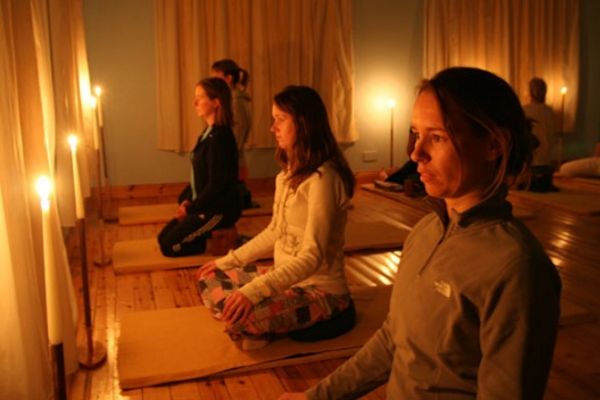
Beginner Tip: Light a candle and gaze at the flame (Trataka). Observe it without blinking for as long as you can. This sharpens concentration and quiets mental chatter.
7. Dhyana: Meditative Absorption
Dhyana is uninterrupted meditation—being fully present without distraction. It’s not doing meditation; it’s being in meditation.
At this stage, the act of meditating becomes natural, effortless. The meditator and the object of meditation begin to merge.
Beginner Tip: Don’t worry if your thoughts wander. Return gently to your anchor—whether breath, mantra, or visualization. Consistency is more important than perfection.
8. Samadhi: Union with the Infinite
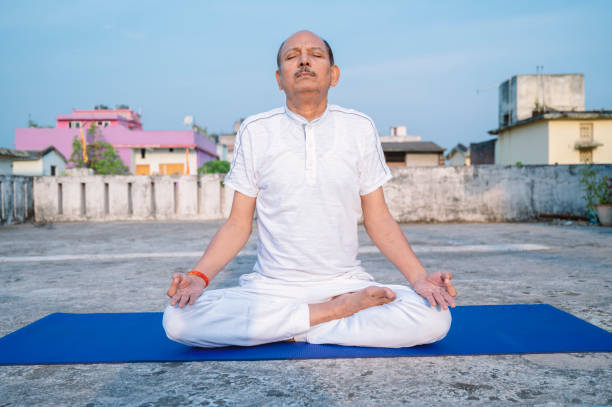
Samadhi is the final limb—a state of spiritual absorption where the ego dissolves, and only pure awareness remains. It’s the ultimate goal of the Eight Limbs of Yoga.
There are stages to Samadhi, from fleeting glimpses of unity to complete, unwavering bliss. While it may sound lofty, small moments of stillness and presence in daily life are seeds of Samadhi.
Beginner Tip: View Samadhi not as a goal to chase, but a quality to invite through regular practice, humility, and inner silence.

Integrating the Eight Limbs into Daily Life
You don’t need to be a monk to walk the path of the Eight Limbs of Yoga. Each limb is a practice you can incorporate into daily routines:
- Begin your day with Santosha, finding gratitude.
- Practice Asana and Pranayama to energize your body.
- Use Dharana during work to stay focused.
- End your day with Dhyana, reflecting in silence.
Over time, these practices naturally evolve into deeper stages like Pratyahara and even glimpses of Samadhi.
Why the Eight Limbs of Yoga Matter
In a world obsessed with productivity, outer success, and distraction, the Eight Limbs of Yoga offer a map back to our essential self. They remind us that yoga is not about mastering postures but about mastering life—with compassion, discipline, awareness, and love.
For beginners, the path may seem vast. But every small step—each breath, each act of kindness, each moment of stillness—moves you closer to your center.
So take the first step. Begin not just on the mat, but in your mind, your heart, and your everyday actions.
The Eight Limbs of Yoga are not a ladder but a spiral—one you revisit and refine as your journey deepens.