
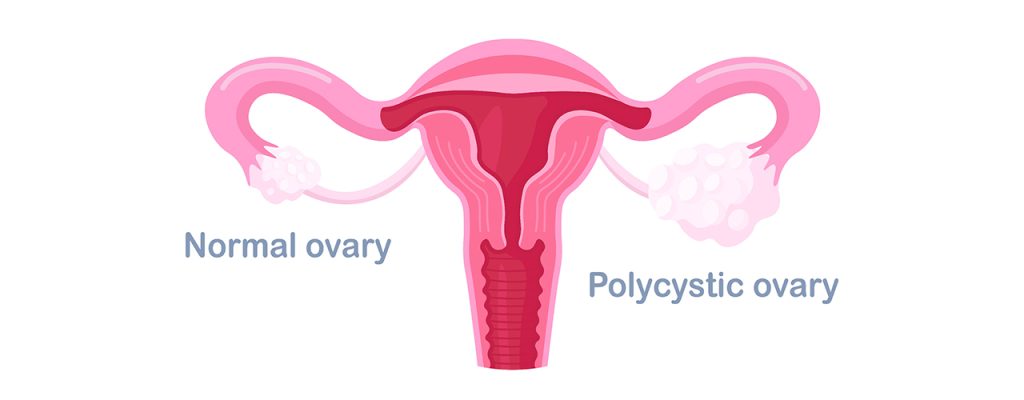
Polycystic Ovary Syndrome (PCOS) is more than just a hormonal disorder—it’s a modern epidemic affecting millions of women globally, particularly young girls. It’s not just about missed periods or acne. It can disrupt fertility, cause weight fluctuations, mood swings, and even lead to long-term issues like insulin resistance and anxiety. Fortunately, you don’t need to rely solely on pills and invasive treatments. Many women are now turning to holistic healing, with one powerful, time-tested method leading the way: Yoga for PCOS.
This blog dives deep into the research-backed benefits of yoga for PCOS, shares hormone-balancing poses and gentle sequences, and ends with a lifestyle checklist that can help you reclaim your cycle, mood, and self.

What Causes PCOS in Young Women?
Polycystic Ovary Syndrome is triggered by a complex web of factors:
- Insulin resistance: One of the root causes, leading to weight gain and hormone imbalance.
- Hormonal disruption: Elevated androgens (male hormones) cause symptoms like acne, hair thinning, and irregular periods.
- Chronic stress: High cortisol levels impair ovulation and worsen inflammation.
- Sedentary lifestyle: Lack of movement leads to poor metabolism and stagnant lymphatic flow.
- Poor diet: Processed foods and sugar-heavy diets can accelerate hormonal imbalance.
PCOS is a full-body disorder. It affects your reproductive, metabolic, and emotional health. That’s why a multidimensional approach like yoga is ideal—not just for symptom control but for long-term hormonal healing.
Research-Backed Benefits of Yoga for PCOS
Scientific studies now validate what yogic traditions have known for centuries: yoga can balance your body, mind, and hormones.
✅ Key Benefits:
- Reduces testosterone levels: A 2016 study in the Journal of Alternative and Complementary Medicine found that regular yoga practice lowered free testosterone in adolescents with PCOS.
- Improves insulin sensitivity: Asanas and pranayama stimulate the pancreas and help regulate blood sugar naturally.
- Lowers cortisol: Yoga’s calming effect reduces stress hormone levels, supporting ovulation and emotional stability.
- Enhances circulation to reproductive organs: Twisting and pelvic-opening poses increase blood flow to the ovaries and uterus.
- Improves menstrual regularity: Gentle, consistent practice leads to more predictable, less painful cycles.
Yoga is more than exercise—it’s endocrine therapy without side effects.
Gentle Sequences for Cramping, Mood & Flow
These yoga poses are selected to calm the nervous system, stimulate reproductive organs, and ease the most troubling PCOS symptoms like mood swings, cramping, and irregular flow.
?♀️ Practice Note: Always warm up with 3–5 rounds of Cat-Cow and Deep Belly Breathing.
1. Supta Baddha Konasana (Reclining Bound Angle Pose)
- Opens the hips and increases blood flow to ovaries.
- Alleviates menstrual cramps.
- Promotes deep relaxation.
How to do: Lie down, bring soles of feet together, knees out. Place cushions under knees. Stay for 3–5 minutes.
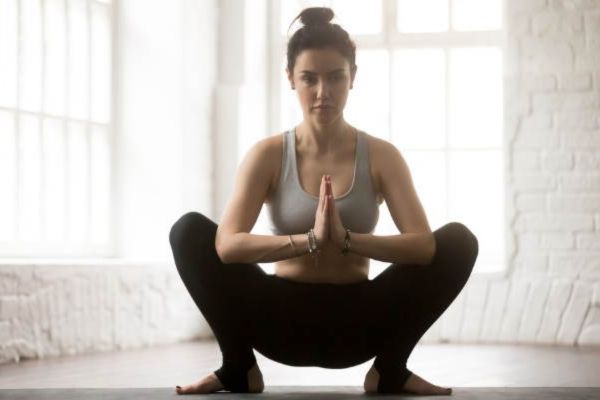
2. Malasana (Garland Pose)
- Stimulates pelvic floor and boosts metabolism.
- Improves digestion and relieves bloating.
How to do: Squat deeply with feet flat. Keep spine long. Hold for 30 seconds to 1 minute.
3. Setu Bandhasana (Bridge Pose)
- Stimulates thyroid and pelvic region.
- Balances reproductive hormones.
How to do: Lie on your back, bend knees, lift hips. Place a block under the sacrum for support. Hold for 1–2 minutes.
4. Viparita Karani (Legs-Up-the-Wall Pose)
- Drains lymphatic system.
- Reduces fatigue and menstrual swelling.
How to do: Lie on your back with legs extended up the wall. Rest arms out. Hold for 5–10 minutes.
5. Ustrasana (Camel Pose)
- Opens chest and throat, stimulating thyroid.
- Boosts energy and relieves depression.
How to do: Kneel and arch back, bringing hands to heels. Keep neck relaxed. Hold for 30 seconds.
These poses work best when done with conscious breathing. Pair each posture with a 4–4–6 breathing pattern (inhale 4, hold 4, exhale 6).
Meditation to Manage Cortisol
PCOS is as much about stress as it is about hormones. When cortisol spikes, insulin spikes too, leading to more androgens. This vicious cycle can be broken with meditation.
? Try this daily 5-minute meditation:
- Sit comfortably with a straight spine.
- Close your eyes and take three deep breaths.
- Inhale: Silently say “I am calm.”
- Exhale: Silently say “I am healing.”
- Visualize a warm light flowing through your ovaries and uterus.
This practice activates the parasympathetic nervous system, helping your body shift from stress mode to rest-and-heal mode.
PCOS Lifestyle Checklist: Pairing Yoga with Daily Habits
Yoga for PCOS works best when combined with PCOS-friendly lifestyle habits. Here’s a checklist to amplify your results:
✅ Diet Tips:
- Focus on low-GI foods: Quinoa, lentils, leafy greens.
- Avoid refined sugar and dairy.
- Include anti-inflammatory spices like turmeric, cinnamon, and ginger.
- Eat mindfully: Chew slowly and stop at 80% full.
✅ Movement:
- Walk 20–30 minutes daily.
- Combine yoga + strength training 2–3x per week.
- Avoid over-exercising, which can worsen hormonal imbalance.
✅ Sleep & Stress:
- Sleep 7–9 hours in total darkness.
- No screen time 1 hour before bed.
- Practice yoga nidra or guided meditation for deeper rest.
✅ Supplements to Ask Your Doctor About:
- Inositol (for insulin resistance)
- Omega-3 (for inflammation)
- Vitamin D3 (supports hormonal health)
- Magnesium (for mood and PMS)

Real-Life Healing with Yoga for PCOS
Aanya: “I used to dread my periods. Ever since I started a consistent yoga for PCOS routine, my cramps are manageable, and I’ve skipped fewer cycles.”
Meera: “Yoga helped me not just regulate my cycles but also feel emotionally stable. The mood swings and constant fatigue have reduced.”
Dr. Shalini (Gynaecologist & Yoga Therapist): “Yoga empowers women to take charge of their health. I recommend it alongside treatment for every PCOS patient.”
Final Thoughts
While PCOS can feel overwhelming, it’s possible to reclaim your cycle, calm your hormones, and stabilize your mood naturally. Yoga for PCOS is not a fad or quick fix—it’s a time-tested system of healing your endocrine, emotional, and energetic body from the inside out.
Commit to a gentle, daily practice. Pair it with mindful nutrition, proper rest, and supportive breathing. In a few weeks, your body will start to shift, and so will your sense of empowerment.