
India, the cradle of yogic wisdom, is home to ancient landscapes where mysticism breathes through the mountains, rivers, temples, and caves. From the icy peaks of the Himalayas to the sculpted ruins of Hampi, these sacred spaces have drawn yogis, sages, and seekers for thousands of years.
These yogic power spots aren’t just travel destinations—they’re energy centers that elevate consciousness, deepen meditation, and catalyze spiritual growth. In this blog, we will explore the hidden vibrational secrets of these sacred places and why every serious yogi must visit them at least once in their lifetime.
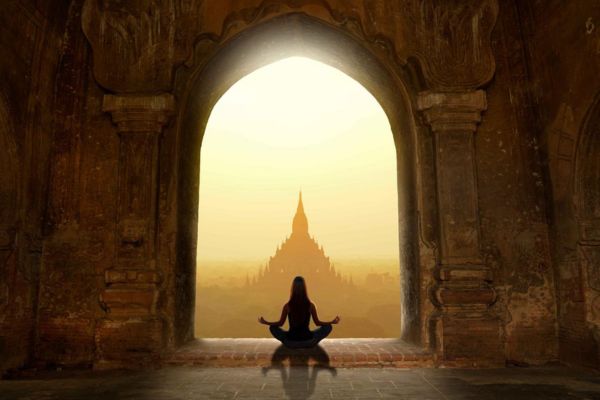
What Are Yogic Power Spots?
Yogic power spots are geographic locations infused with high pranic energy or spiritual vibrations. These places are often linked to:
- Tapasya (austerities) of great yogis and sages
- Mythological events mentioned in scriptures
- Unique geomagnetic energy or spiritual frequency
- Presence of natural elements (rivers, caves, mountains) ideal for meditation
These spots enhance sadhana (spiritual practice) and are believed to open subtle channels (nadis) and chakras more easily than elsewhere.
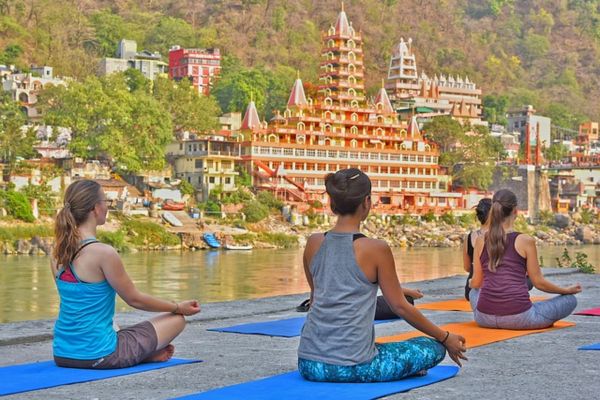
1. Rishikesh – The Gateway to the Himalayas
Known for: Yoga capital of the world, Ganga river, ancient ashrams
Secret energy: Vibrations of countless yogis who meditated here
Nestled at the foothills of the Himalayas, Rishikesh is where sages like Swami Sivananda and Swami Rama attained self-realization. With the sacred Ganga flowing gracefully, Rishikesh offers more than just yoga schools—it is a living mandala of transformation.
Must-visit spots:
- Parmarth Niketan Ghat (for evening Ganga Aarti)
- Swarg Ashram and Beatles Ashram (for silent introspection)
- Vashishta Gufa (cave of sage Vashishta for deep meditation)
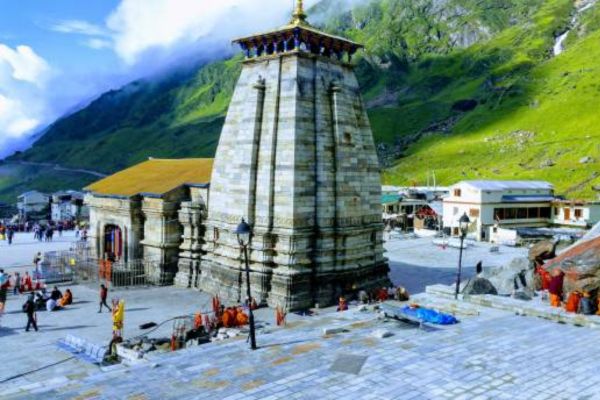
2. Kedarnath – Shiva’s Cosmic Seat
Known for: One of the 12 Jyotirlingas
Secret energy: Tectonic plate intersection creating electromagnetic resonance
High in the Garhwal Himalayas, Kedarnath is more than a pilgrimage—it’s a vortex of spiritual purification. The temple is said to sit on a powerful ley line, where earth’s magnetic currents intensify inner experiences.
Many practitioners report spontaneous inner stillness or kriya-like movements here, a sign of kundalini stimulation.
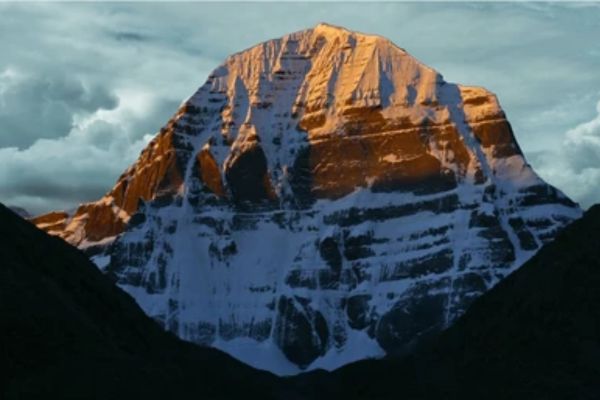
3. Mount Kailash – The Navel of the Earth
Known for: Mythical abode of Lord Shiva
Secret energy: Axis mundi of the world; untouched energy
Though geographically in Tibet, Mount Kailash has deep yogic significance in India. According to yogic lore, Shiva—the Adiyogi—still resides in meditation here.
It is one of the most powerful pilgrimage circuits in the world. Completing a parikrama (circumambulation) of the mountain is believed to cleanse lifetimes of karma.
“Kailash is not a place. It’s a phenomenon,” says Sadhguru.
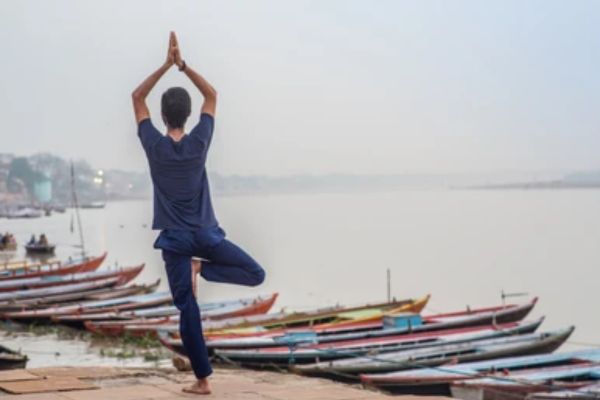
4. Varanasi – City of Eternal Liberation
Known for: Moksha (liberation), cremation ghats, ancient Shiva temples
Secret energy: Threshold between physical and spiritual dimensions
Varanasi is said to sit atop the third eye of Shiva. For millennia, it has been believed that dying here breaks the cycle of rebirth. But even more importantly, meditating or practicing yoga here dissolves ego and brings the practitioner closer to non-duality.
Visit:
- Kashi Vishwanath Temple
- Manikarnika Ghat (to meditate on impermanence)
- Sankat Mochan Hanuman Temple (for heart-opening bhakti)
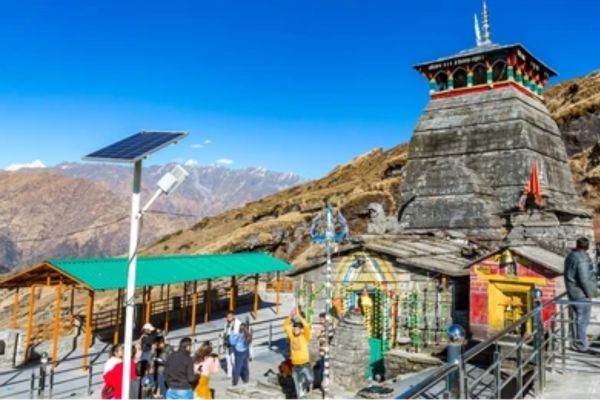
5. Tungnath – The World’s Highest Shiva Temple
Known for: Highest elevation temple to Lord Shiva
Secret energy: Thin veil between physical and astral realms
Located at over 12,000 feet, Tungnath in Uttarakhand is a less crowded, powerful spot ideal for yogic retreat. Yogis often come here for solitary sadhana. The altitude and silence create a natural pratyahara (sense withdrawal), aiding in deep inner stillness.
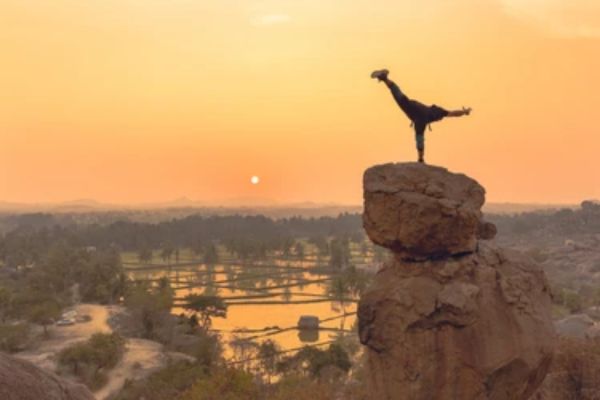
6. Hampi – The Forgotten Yoga Capital of the South
Known for: Ruins of Vijayanagar Empire, Hanuman’s birthplace
Secret energy: Sacred geometry in temple layouts, pranic wind tunnels
A UNESCO World Heritage Site, Hampi is dotted with mystical granite hills, cave temples, and boulders used by yogis for tapasya. Many believe the site’s architectural alignment with constellations enhances subtle energy flow.
Places to visit:
- Anjaneya Hill (Hanuman’s birthplace) for morning pranayama
- Vittala Temple’s musical pillars
- Matanga Hill for breathtaking meditative sunrise views
7. Arunachala (Tiruvannamalai) – The Fire Mountain of Wisdom
Known for: Sri Ramana Maharshi’s ashram
Secret energy: Shiva’s fire element; symbol of jnana (knowledge)
Revered as Shiva himself in mountain form, Arunachala draws thousands of seekers each year. Ramana Maharshi said that just being near the mountain accelerates spiritual awakening.
Suggested practices here:
- Girivalam (walking around the mountain during full moon)
- Silent meditation in Skandashram
- Reading Ramana’s Who Am I? at his samadhi
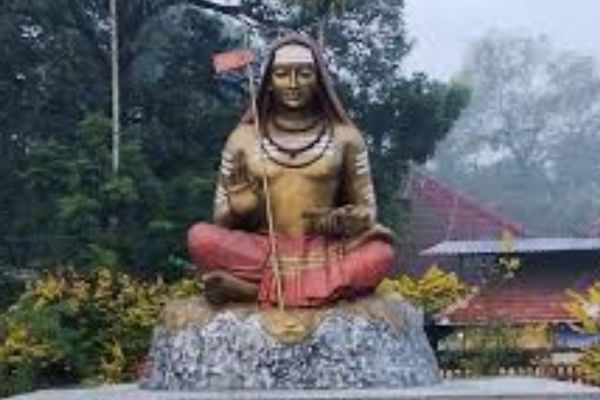
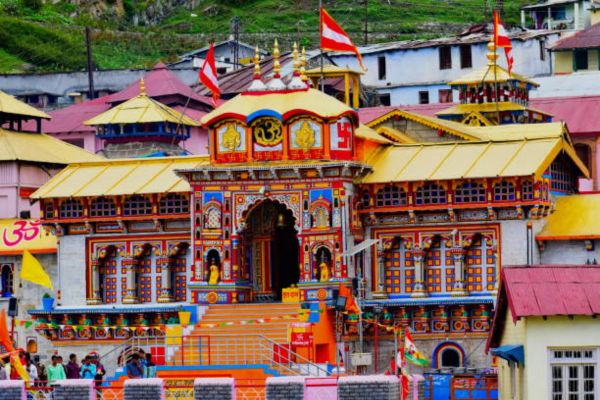
8. Badrinath – Portal to Higher Realms
Known for: Sacred Vishnu temple, place of Adi Shankaracharya’s enlightenment
Secret energy: Dwelling of sages and celestial beings
Part of the Char Dham yatra, Badrinath is nestled in the Himalayas, close to the mythical Satopanth glacier, believed to be the meditation place of Mahavatar Babaji.
Yogis visit for inner purification, mantra chanting, and solitude. The confluence of Alaknanda and Saraswati rivers nearby is considered energetically potent.
Why Yogis Must Visit These Power Spots
1. Amplification of Sadhana
Spiritual practice in these places is 10x more effective due to naturally high energy frequencies.
2. Release of Karmic Imprints
Sacred geography can dissolve karmic knots and bring clarity in your spiritual journey.
3. Connect with Lineages
Many of these spots are infused with living lineages of yogic masters. Meditating in their presence—even posthumously—can transmit subtle insights.
4. Awakening Dormant Energy
The geomagnetic fields, spiritual vibrations, and natural silence in these places are ideal for awakening kundalini and entering deeper states of samadhi.
Tips for Your Yogic Pilgrimage
- ?️ Prepare your mind: Start meditating regularly before visiting.
- ? Keep a journal: These places evoke dreams, visions, and inner messages.
- ? Respect local customs: Many are pilgrimage spots for locals too.
- ? Practice silence: Especially in caves or early mornings.
- ? Stay sattvic: Eat light, avoid stimulants, and rest well.
Final Thoughts: Let the Land Teach You
In a world buzzing with digital distractions, yogic power spots are living teachers. They guide not with words, but with vibrations, silence, and presence. Whether you’re an asana enthusiast or a seasoned meditator, these places serve as inner gateways that deepen your connection to the Self.
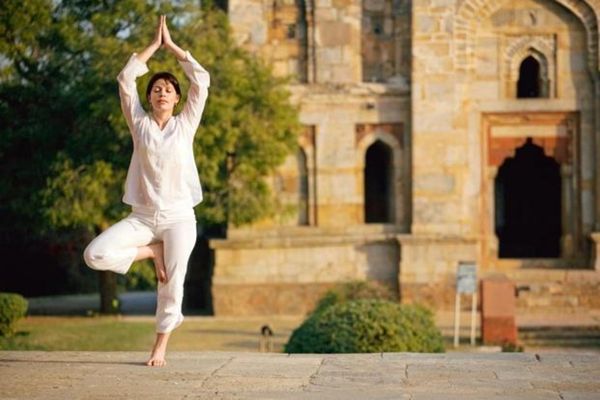
“You don’t visit these places. They call you when you’re ready.”
So if you feel the tug to walk the path from Himalayas to Hampi, listen to it. Your soul may be guiding you to the next quantum leap in your spiritual evolution.
Suggested Readings:
- Autobiography of a Yogi by Paramhansa Yogananda
- Living with the Himalayan Masters by Swami Rama
- Talks with Ramana Maharshi
Frequently Asked Questions (FAQs)
Q1: Are these places safe for solo travelers or women yogis?
Yes, most are safe, especially Rishikesh, Hampi, and Arunachala. Practice awareness and stay in reputable ashrams.
Q2: What’s the best time to visit yogic power spots in India?
October to March is ideal for Himalayan regions. South India spots like Hampi and Tiruvannamalai are pleasant during winter.
Q3: Can beginners benefit from visiting these places?
Absolutely. Even being there without intense practice can spark inner transformation.