
Introduction: A Silent Crisis Among Teens
In today’s fast-paced digital world, teenagers are grappling with mounting pressures that older generations never had to face. From screen addiction and academic expectations to body image issues and social media anxiety, the modern teen lives in a constant state of stimulation and comparison.
According to a study by the Indian Journal of Psychiatry, 1 in 5 Indian teens struggles with anxiety or depression, and the numbers are rising, especially in big cities like Mumbai, Thane, Bengaluru, and Delhi. The root causes? Overexposure to screens, social isolation, poor sleep, and lack of physical movement.
While therapy and counseling are important interventions, yoga for teenagers is emerging as a powerful, natural tool to support mental health, emotional regulation, and physical wellbeing.
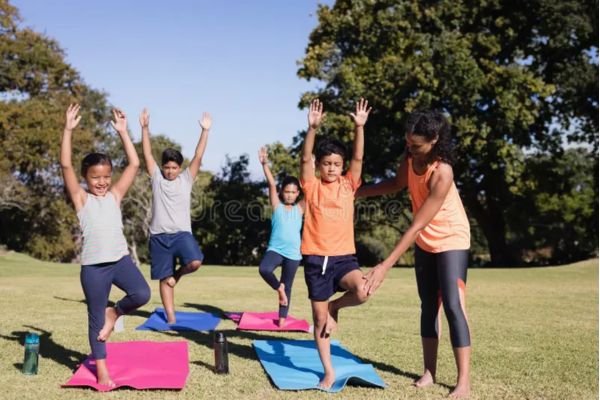
Why Yoga? Why Now?
Yoga is more than just asanas or stretching routines. It’s a complete lifestyle system rooted in mindfulness, self-awareness, and harmony. For teenagers whose brains and bodies are still developing, yoga can act like an emotional anchor.
Here’s why your teen needs yoga more than ever:
- Manages Anxiety and Stress Naturally
Teen brains are still maturing, especially the prefrontal cortex — responsible for impulse control and decision-making. Yoga helps stimulate this area through practices like pranayama (breathing) and meditation. - Improves Focus and Academic Performance
Short attention spans and constant phone use have led to a rise in concentration-related issues. Yoga enhances dopamine balance, improves blood flow to the brain, and cultivates one-pointed awareness (dharana). - Reduces Screen Dependency
Practicing yoga daily introduces a natural “dopamine detox.” Teens learn to connect with their breath and body, rather than relying on Instagram likes or gaming rewards. - Boosts Body Confidence and Self-Esteem
In a time where physical appearance is scrutinized online, yoga shifts focus from how the body looks to what it can do. This fosters self-acceptance. - Encourages Better Sleep and Hormonal Balance
Simple yoga postures and breathwork before bed can reset the nervous system, helping with insomnia and hormonal mood swings — both common during adolescence.
How Yoga Helps: Real-Life Examples
- Riya, 15, from Thane, was constantly anxious before exams and developed panic attacks. Her mother enrolled her in a weekend yoga class, and within 3 months, Riya reported better sleep and fewer breakdowns.
- Kabir, 17, from Mumbai, suffered from tech addiction and screen fatigue. After including 20 minutes of daily yoga with journaling, he began showing more interest in outdoor activities and was able to cut down his screen time by 40%.
These examples aren’t rare — they’re becoming the new norm. Yoga doesn’t just “calm down” teenagers; it empowers them to take charge of their mental and physical state.

Core Yogic Practices for Teenagers
Let’s look at what types of yoga work best for teens:
1. Breath Awareness (Pranayama)
- Practice: Anulom Vilom, Bhramari (bee breath), and deep diaphragmatic breathing.
- Benefits: Calms the nervous system, reduces anger, and enhances mental clarity.
2. Mindful Movement (Asanas)
- Practice:
- Surya Namaskar (Sun Salutations)
- Balasana (Child’s Pose)
- Setu Bandhasana (Bridge Pose)
- Virabhadrasana II (Warrior 2)
- Sukhasana with a straight spine
- Benefits: Improves posture, relieves physical tension from sitting all day, builds strength and flexibility.
3. Meditation & Trataka (Candle Gazing)
- Practice: Start with just 5 minutes of silent meditation or gazing at a flame.
- Benefits: Sharpens attention, resets brain fatigue from digital overstimulation.
4. Yoga Nidra (Guided Relaxation)
- Practice: Available on apps like Insight Timer or YouTube.
- Benefits: Induces deep rest, releases trauma, and improves sleep quality.
A Simple 20-Minute Daily Routine for Teens
✅ 5 mins – Gentle warm-up
✅ 10 mins – Asanas + Surya Namaskar
✅ 3 mins – Pranayama (deep breathing + Bhramari)
✅ 2 mins – Seated silence or gratitude journaling
This routine can be easily done at home, even in a small room. No need for fancy yoga mats or gear. All it needs is consistency and intention.

What Parents Can Do: 5 Actionable Tips
1. Lead by Example
Teens mirror adult behavior. If you do yoga or even basic stretching at home, they’ll be more likely to try it too.
2. Don’t Force — Encourage
Instead of saying “you need yoga”, try “I heard this technique really helps with focus. Want to try together for 5 minutes?”
3. Create a Screen-Free Wellness Hour
Designate 30–60 minutes in the evening without devices. Include yoga, stretching, journaling, or even family walks.
4. Use Tech to Your Advantage
There are wonderful apps like Headspace, Insight Timer, and Sattva with teen-friendly guided practices.
5. Find a Good Local Yoga Class or Teacher
In cities like Thane, many yoga studios now offer teen-focused yoga batches. These are gentler, non-competitive, and designed for emotional wellness.
Busting Common Myths
| Myth | Truth |
|---|---|
| Yoga is too slow for teens | Yoga can be dynamic and energizing, especially with vinyasa or power styles |
| Only flexible people can do yoga | Yoga improves flexibility — it’s not a prerequisite |
| Boys don’t do yoga | Top athletes, footballers, and cricketers now use yoga to enhance performance |
| It’s religious | Yoga is a spiritual science, not tied to any one belief system. It’s about inner balance |
How to Know It’s Working
You may not see dramatic changes overnight, but look for signs like:
- More stable mood swings
- Healthier sleep cycles
- Reduced aggression or anxiety
- Improved focus in schoolwork
- Less resistance to physical movement
- Better food and lifestyle choices
Even 10 minutes daily can start to rewire how your teen responds to life.

Final Thoughts: A Gift for Life
As a parent, you want to equip your child with tools for lifelong health — not just temporary fixes. In a world full of distractions and disconnection, yoga offers a return to self-awareness, strength, and stillness.
By encouraging yoga for your teenager today, you’re not just addressing short-term issues like anxiety or posture. You’re offering them a timeless toolkit to navigate adulthood with resilience, confidence, and grace.