
When most people hear the word yoga, they picture ancient caves in the Himalayas, tranquil ashrams, or early morning practice on a riverside ghat. Rarely does the mind leap to a bustling, fast-growing city like Thane. Yet over the past two decades, yoga in Thane has quietly transformed from a niche interest into a defining part of the city’s cultural identity.
This is not a simple story of fitness trends or the influence of celebrity endorsements. The growth of yoga here is deeply tied to Thane’s unique history, its evolving social fabric, and the way this city blends tradition with modernity. Understanding why yoga resonates so powerfully in Thane means exploring its cultural DNA — from its geography and community roots to its adaptation to urban life.
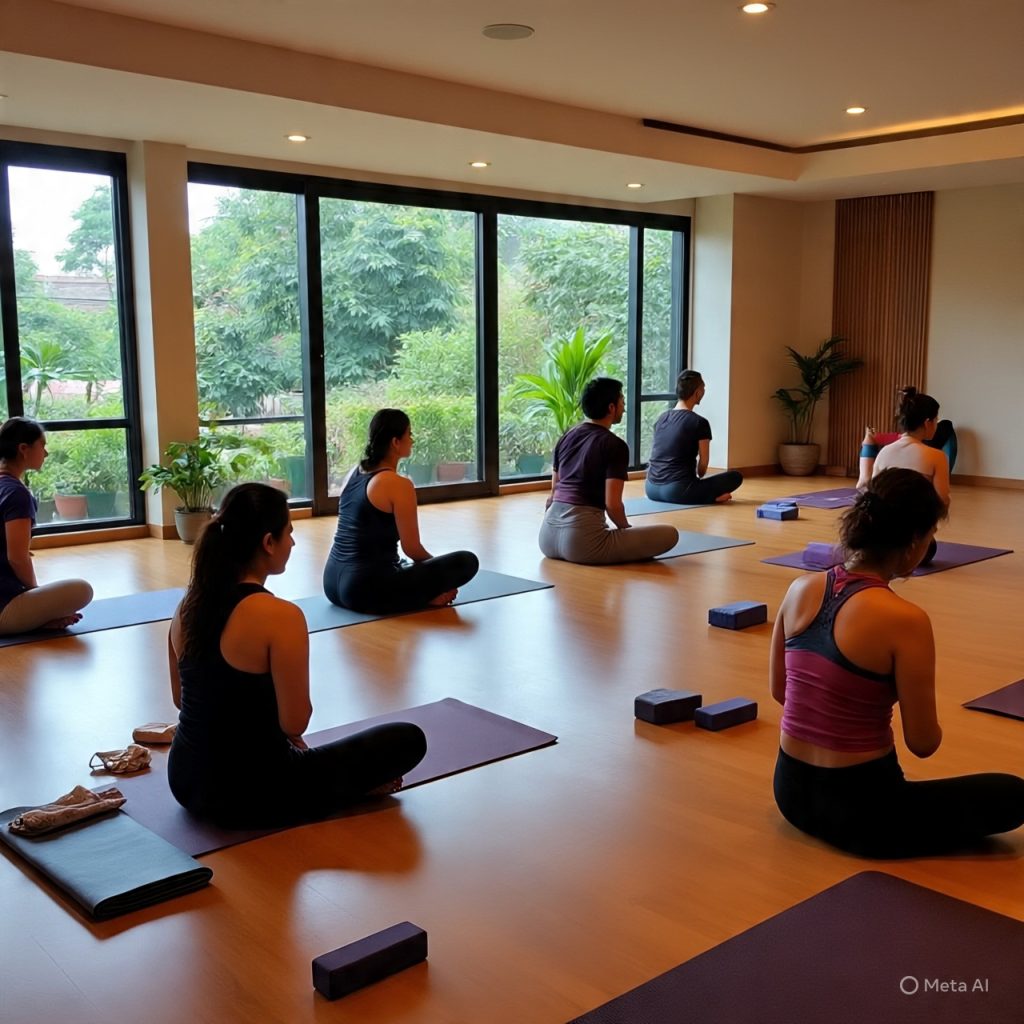
1. The City That Grew, But Didn’t Forget Its Breath
Thane’s identity is unlike any other city in Maharashtra. Known as the “City of Lakes,” it carries a slower, more nature-connected past, even as glass towers and expressways have surged into its skyline.
This balance between rapid modernization and a longing for calm is key to why yoga has found fertile ground here. Residents who grew up in quieter neighborhoods remember green spaces, open grounds, and early morning walks by Upvan or Masunda Lake. As construction took over, yoga became a way to recreate that sense of space — internally, in the mind and body.
Where gyms promised transformation through machines and mirrors, yoga in Thane offered something subtler: a return to stillness, even while surrounded by construction cranes and honking traffic.
2. The Influence of Local Teachers and Community-Driven Practice
In bigger cities, yoga often arrives packaged in global branding — chic studios, imported mats, international certifications. Thane’s yoga scene, while modern, has a uniquely grassroots character. Many respected teachers here have been trained in traditional Indian schools, often under gurus who emphasized not just asana (postures) but yama, niyama, pranayama, and dhyana — the deeper limbs of yoga.
Local yoga groups meet in public spaces, parks, housing society terraces, and lakeside promenades. These aren’t just “classes” — they are community gatherings where yoga doubles as a social glue.
This is a city where your yoga teacher might also be your neighbor, your child’s school instructor, or a long-time friend of the family. That sense of trust and familiarity has kept the practice authentic and accessible, far from being just a wellness fad.
3. Cultural Legacy Meets Urban Stress
Thane’s residents are part of a unique cultural intersection. Many families have roots in Konkan, Vidarbha, and other parts of Maharashtra, where traditional forms of physical and spiritual discipline — surya namaskar, pranayama, bhajans — were daily rituals. These practices were not “workouts,” they were ways of living.
As Thane’s economy grew and corporate offices replaced small workshops, work culture shifted. Stress levels rose. Commutes lengthened. People began looking for holistic antidotes to burnout, not just calorie-burning solutions.
Yoga’s philosophy — with its emphasis on balancing the nervous system, calming the mind, and building resilience — matched perfectly with this need. It wasn’t just exercise; it was cultural memory adapted to modern problems.
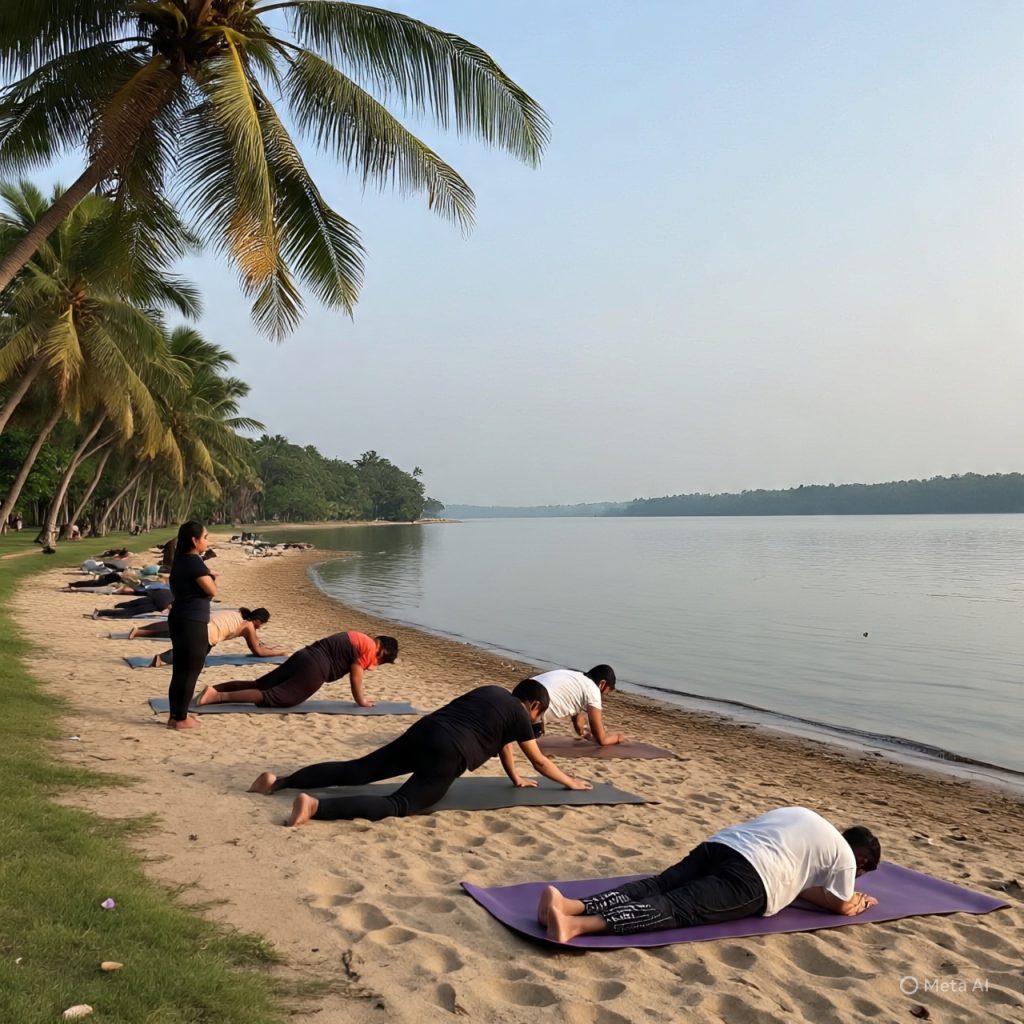
4. The Geography Advantage: Lakes, Parks, and Open-Air Practice
It’s no accident that open-air yoga events thrive in Thane. Lakes like Upvan, Masunda, Kachrali, and Talao Pali are more than just pretty backdrops; they are natural mood regulators. The city’s topography offers breezes, reflective water surfaces, and pockets of greenery — perfect for pranayama and meditation.
In many cities, outdoor yoga is seasonal. In Thane, it’s a year-round possibility, and this has shaped how the community connects to it. Morning yoga by the lake has become a ritual for many, combining physical practice with a kind of daily pilgrimage to nature.
5. Integration with Cultural Festivals and Public Life
One often-overlooked reason for yoga’s popularity here is its integration into public and cultural events.
- Ganesh Utsav mornings often begin with collective yoga sessions before the day’s festivities.
- During International Yoga Day, housing societies organize lakeside or terrace classes, turning them into celebratory gatherings rather than formal workshops.
- Navratri wellness programs often include yoga as a counterbalance to the late nights and energetic dancing.
In Thane, yoga doesn’t sit in a corner of life; it weaves into the fabric of public celebration, becoming a shared cultural expression rather than a private health routine.
6. Yoga as a Bridge Between Generations
In many urban spaces, wellness trends skew young. But yoga in Thane has managed to engage grandparents, parents, and children alike.
This intergenerational appeal is partly because yoga was already present in the elders’ lives in some form — they grew up doing surya namaskar in school PT sessions or pranayama in temple courtyards. For younger residents, yoga connects them to their heritage while still fitting into modern fitness culture.
A common sight in Thane’s parks is a teenage student practicing alongside a senior citizen — a visual reminder that in this city, yoga is not about age-appropriate exercise, but life-appropriate living.
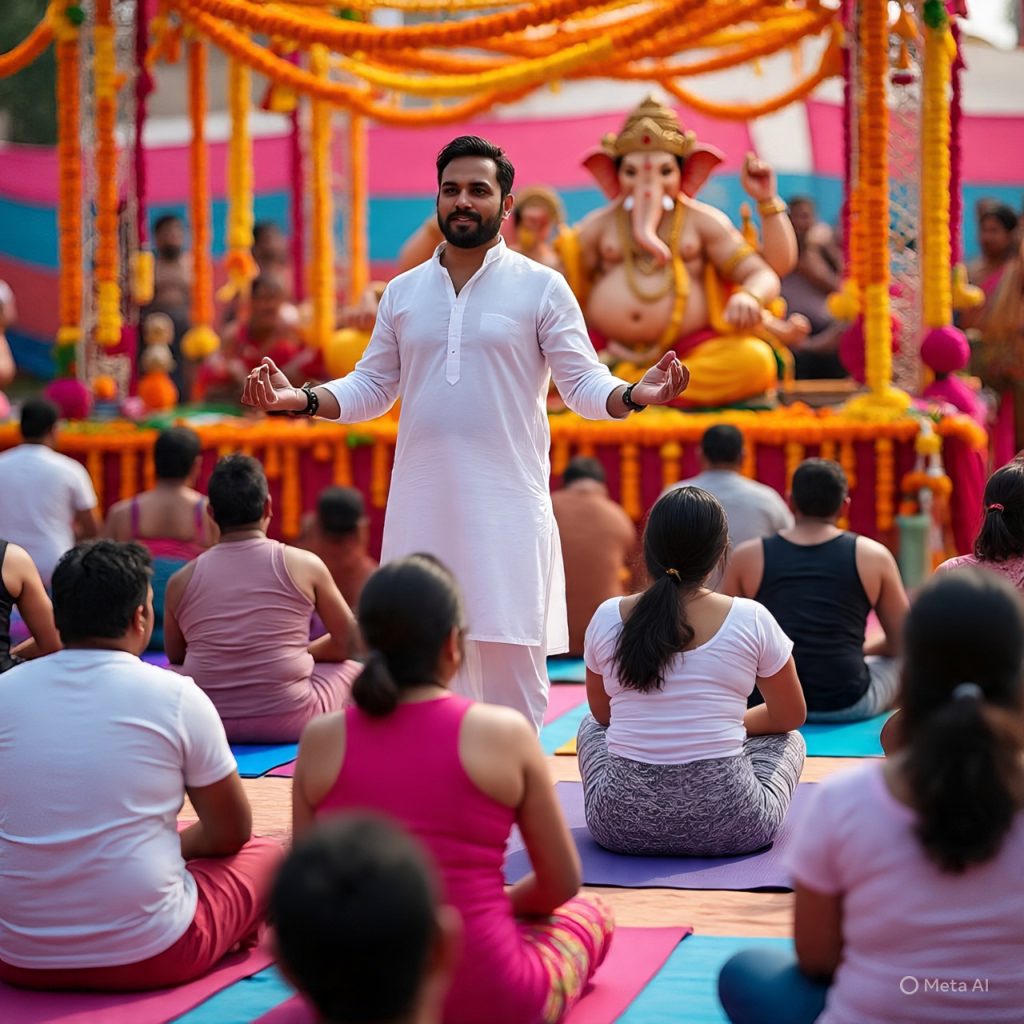
7. Beyond Asanas: A Growing Interest in Yogic Philosophy
Another unique cultural trend in Thane’s yoga scene is the rising curiosity about philosophy, meditation, and lifestyle practices beyond the physical postures.
Book clubs on the Bhagavad Gita, weekend satsangs discussing the Yoga Sutras, and guided pranayama workshops are increasingly common. Many practitioners here see yoga not as a 60-minute class, but as a way to refine how they live, eat, breathe, and respond to life’s challenges.
This depth of engagement is rare in urban settings where yoga is often reduced to a fitness commodity. In Thane, the practice retains its original intent — uniting body, mind, and spirit.
8. The Subtle Role of Women’s Leadership
While men have historically dominated many public spaces in India, women have been the driving force in Thane’s yoga growth.
From leading classes in housing societies to creating wellness groups for working women, mothers, and senior citizens, female yoga practitioners here have not just participated — they’ve shaped the culture.
This influence has given yoga in Thane a nurturing, community-first tone rather than a competitive or commercial one. It’s not uncommon to see women-led yoga drives during festivals, charity events, and social awareness campaigns.
9. The “Local Global” Blend
Thane’s yoga culture is not stuck in time. While rooted in tradition, it has readily embraced global influences — not in a way that dilutes authenticity, but in ways that expand accessibility.
Hybrid classes mixing classical asanas with modern mobility drills, yoga for specific issues like tech-neck or menstrual health, and even fusion styles that incorporate dance or tai chi are all present here. Yet they are taught with the understanding of Indian philosophy, not just borrowed from Western trends.
This balance of local authenticity and global adaptability is one reason why yoga here resonates with such a wide audience.
10. The Quiet Role of Public Health Awareness
Thane’s municipal and civic bodies, along with local NGOs, have often included yoga in public health drives — from diabetes prevention programs to senior wellness initiatives.
These campaigns have normalized yoga as part of preventive healthcare rather than an optional lifestyle choice. The result? People in Thane view yoga less as a hobby and more as a necessary part of personal upkeep, much like brushing teeth or taking a morning walk.
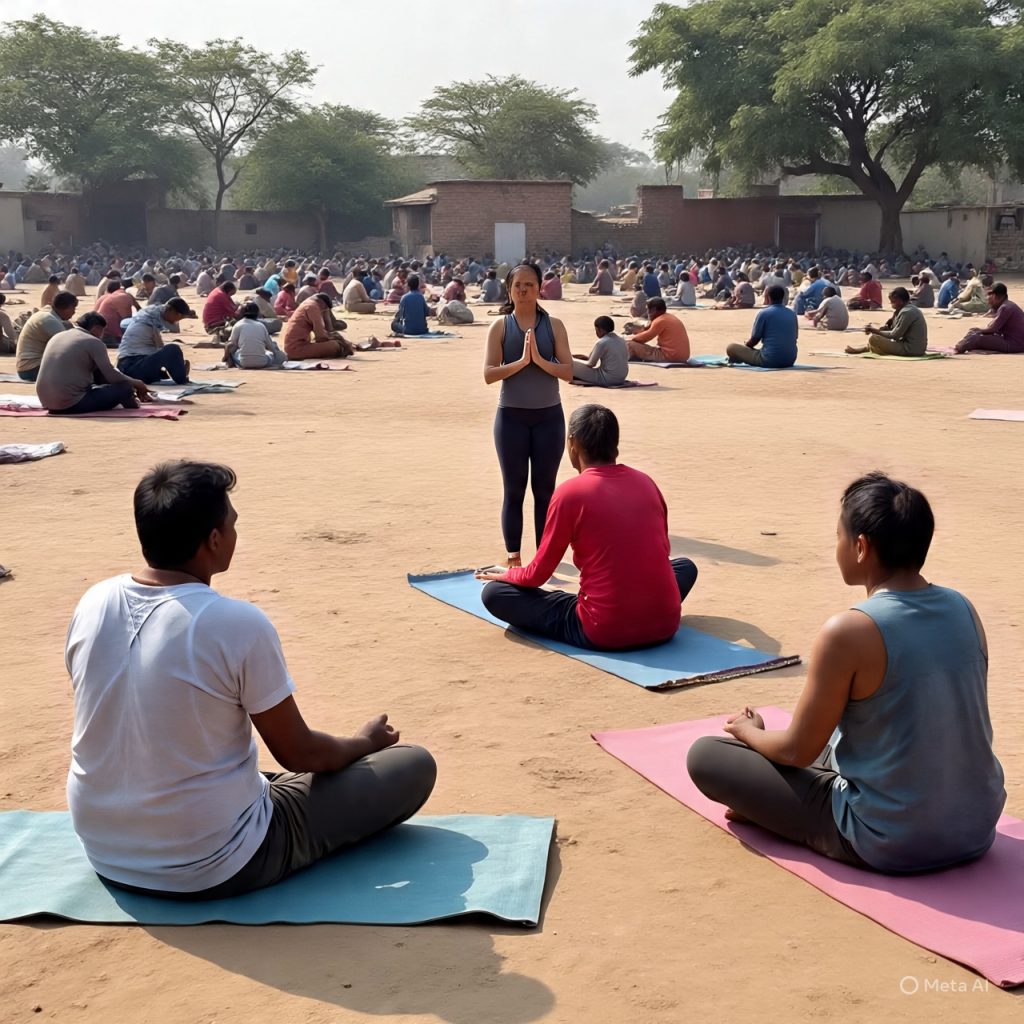
11. Why This Story Matters Beyond Thane
The rise of yoga in Thane is not just a local success story. It’s a case study in how urban centers can integrate ancient practices into modern life without losing their essence.
By keeping yoga accessible, community-driven, and culturally relevant, Thane has avoided the pitfalls of over-commercialization seen in other cities. Its journey shows that when wellness grows from local values and shared spaces, it can thrive naturally — not as a passing trend, but as a cultural pillar.
Conclusion: The City That Breathes Together
In Thane, yoga is not a buzzword. It’s a living, breathing part of the city’s rhythm. It thrives in lakeside dawns, in community terraces at sunset, in schoolyards, and in living rooms where grandparents teach pranayama to grandchildren.
It’s the soft counterpoint to a city that is constantly expanding, the reminder that even in the rush of urban growth, stillness is possible.
The cultural story of yoga here is about more than exercise; it’s about a community remembering that health is not just the absence of illness, but the presence of harmony — between body and mind, between tradition and progress, between self and city.
In the end, the popularity of yoga in Thane is not surprising at all. It’s simply the city coming back to its natural breath.