
In today’s fast-paced world, our nervous systems are under constant siege. Endless notifications, chronic stress, emotional overload, poor sleep, and sedentary lifestyles keep our bodies stuck in “survival mode.” We may feel anxious for no reason, tired but unable to rest, or reactive over small things. But what if the ancient practice of yoga holds a powerful, science-backed key to changing all that — not just calming your nerves for a moment, but actually rewiring your nervous system at a deep, foundational level?
This is not poetic exaggeration. Modern neuroscience and ancient yogic wisdom are now converging on one profound truth: your nervous system is not fixed — it can be reshaped, regulated, and healed. And yoga offers one of the most holistic ways to do it.
In this blog, we’ll explore how yoga influences your nervous system, what “rewiring” truly means, and how you can consciously reshape your body’s stress responses to create a calmer, more resilient, and more vibrant inner state.
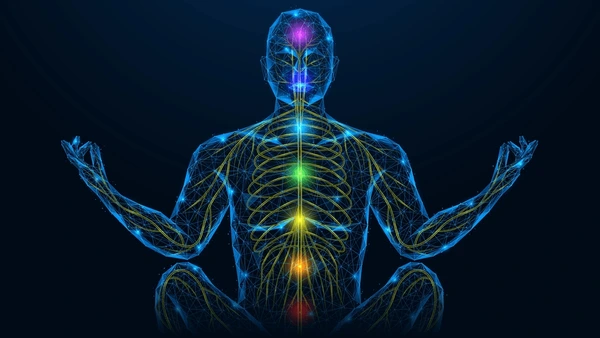
Understanding the Nervous System: Your Inner Control Center
To appreciate how yoga works on the nervous system, we first need to understand what the nervous system actually does.
Think of your nervous system as the communication superhighway between your body and brain. It interprets signals from the world, regulates internal processes, and determines how you respond to life. Its two main divisions — sympathetic and parasympathetic — constantly dance together to keep you balanced.
- The Sympathetic Nervous System (SNS): Activates your “fight or flight” response — increasing heart rate, raising alertness, and mobilizing energy to face challenges.
- The Parasympathetic Nervous System (PNS): Governs “rest and digest” — slowing the heart, promoting healing, and creating a state of calm.
A healthy nervous system fluidly transitions between these states. But chronic stress, trauma, and unhealthy habits can keep us stuck in overdrive (sympathetic dominance) or shutdown (parasympathetic freeze). This dysregulation lies at the root of anxiety, insomnia, burnout, and even chronic disease.
Here’s where yoga steps in — not just as exercise or relaxation, but as a rewiring tool for the entire system.
Neuroplasticity: The Science Behind “Rewiring”
For decades, scientists believed the nervous system was fixed after childhood. Now, we know this isn’t true. The brain and nervous system are neuroplastic — they can reorganize, form new pathways, and change how they respond to stimuli.
This means the way your body handles stress, processes emotions, or returns to calm isn’t set in stone. It can be reshaped — with consistent practice and conscious intervention.
Yoga does exactly this. By combining movement, breath, focus, and stillness, yoga sends powerful signals to the brain and body that reprogram old stress responses and build new, more resilient neural patterns.
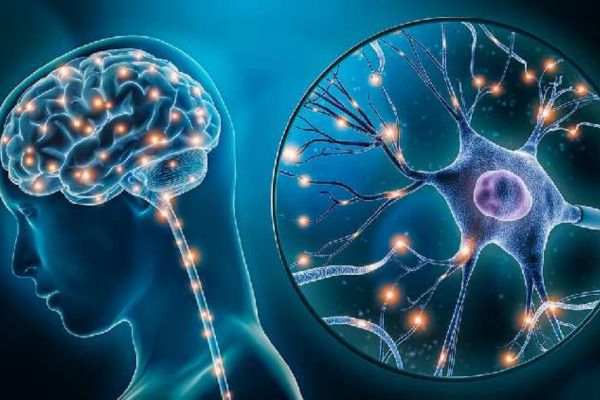
How Yoga Rewires Your Nervous System: The Science and the Subtle
The genius of yoga is that it works on multiple levels simultaneously — body, breath, mind, and awareness. Each component targets different aspects of your nervous system, gradually rebalancing and rewiring it. Let’s explore how:
1. Breathwork (Pranayama): Direct Access to Your Autonomic Nervous System
Your breath is the bridge between the conscious and unconscious. Unlike most autonomic functions, breathing is one you can control — and through it, influence your nervous system in real time.
Slow, deep, rhythmic breathing activates the parasympathetic nervous system via the vagus nerve, lowering heart rate, reducing cortisol, and signaling safety to the brain.
Scientific insight: Studies show that practices like alternate nostril breathing (Nadi Shodhana) and extended exhalations increase heart rate variability (HRV) — a key marker of nervous system flexibility and resilience.
Try this:
- Box Breathing (4-4-4-4): Inhale for 4, hold for 4, exhale for 4, hold for 4.
- Bhramari (Humming Bee Breath): The gentle vibration stimulates the vagus nerve and induces deep calm.
With consistent breathwork, your body learns to return to calm faster after stress — a sign your nervous system is rewiring.
2. Asana (Movement): Resetting the Body’s Stress Memory
Physical postures in yoga are more than stretches; they are somatic interventions that release stored tension, rebalance energy flow, and send safety cues to the brain.
Modern research confirms that gentle, mindful movement reduces sympathetic dominance and supports neuroplasticity. Specific poses can even activate baroreceptors — sensors that regulate blood pressure and communicate with the brain about safety.
For example:
- Forward folds activate the parasympathetic system.
- Heart-opening backbends counteract chronic stress postures and improve vagal tone.
- Balancing poses enhance proprioception and stimulate new neural pathways.
Tip: Slow, deliberate transitions between poses — instead of rushing — amplify the nervous system benefits by training your body to move from “doing” to “being.”
3. Meditation and Mindfulness: Reprogramming the Stress Loop
Your thoughts are not just mental events — they are electrical signals that shape your neural wiring. Chronic stress patterns in the mind hardwire chronic stress patterns in the body.
Meditation interrupts these loops. By cultivating present-moment awareness without reactivity, you weaken old neural pathways and strengthen new ones associated with calm and clarity.
Neuroimaging studies reveal that regular meditation shrinks the amygdala (fear center) and enhances the prefrontal cortex (center of regulation and decision-making). Over time, this makes you less reactive and more resilient.
Even five minutes a day of mindfulness can start reshaping how your nervous system responds to life.

4. Yoga Nidra: Deep Reset for the Subconscious
Yoga Nidra, or “yogic sleep,” is a deeply restorative practice that brings the body into a state between wakefulness and sleep. Here, the parasympathetic system dominates, and the body’s repair mechanisms are amplified.
More importantly, this state allows access to subconscious layers where deep-seated stress patterns are stored. Through intention (sankalpa) and guided awareness, Yoga Nidra can help reprogram emotional memory and reset the body’s baseline state from hypervigilance to safety.
Many trauma therapists now integrate Yoga Nidra as a tool for nervous system regulation and trauma recovery.
The Role of the Vagus Nerve: Yoga’s Hidden Pathway to Healing
One of the most important players in nervous system rewiring is the vagus nerve — the main communication channel between the brain and body. It influences digestion, heart rate, mood, inflammation, and more.
A well-toned vagus nerve is like a flexible brake pedal — it helps your body return to calm quickly after stress. Low vagal tone is linked to anxiety, gut issues, and chronic disease.
Yoga naturally stimulates and strengthens vagal tone through breathwork, chanting (vocal vibration), gentle inversions, and relaxation. Even something as simple as humming during exhalation can activate this nerve and initiate a healing cascade throughout the body.
Beyond the Mat: Daily Practices to Support Nervous System Rewiring
Yoga isn’t confined to your mat. The more you bring yogic principles into daily life, the deeper and more lasting your nervous system rewiring becomes.
Here are some powerful practices you can integrate:
- Conscious Pauses: Before reacting, pause and take three slow breaths. This retrains the brain to choose regulation over reactivity.
- Grounding Rituals: Spend 5 minutes barefoot on earth or focusing on bodily sensations. It signals safety to the nervous system.
- Digital Fasting: Reduce screen overload, which constantly triggers sympathetic activation.
- Satsang (Positive Company): Surround yourself with people and content that nourish peace instead of triggering fear.
Remember, rewiring is a process, not an event. Like any muscle, your nervous system grows stronger with consistent training.
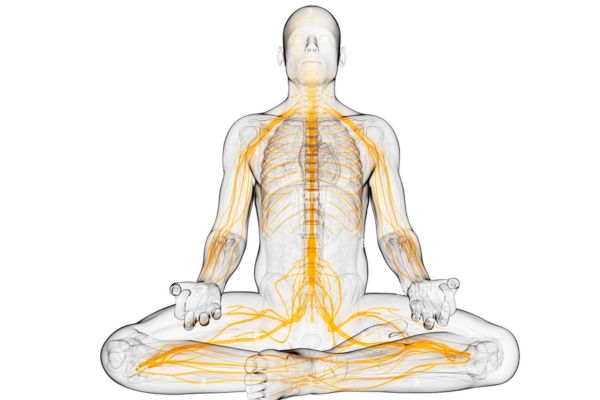
Rewiring Through Yoga: A Journey of Remembering Safety
At its core, yoga’s approach to nervous system rewiring is not about “fixing” you. It’s about reminding your body that it is safe — safe to rest, to trust, to expand, to heal.
When the body feels safe, healing accelerates. Digestion improves. Sleep deepens. Creativity blooms. Emotional regulation becomes effortless. This is not a distant ideal — it is your natural state, waiting beneath the layers of chronic stress.
Each conscious breath, each mindful movement, each moment of stillness is a message to your nervous system: You are safe. You can relax. You can grow.
Final Thoughts: Your Nervous System Is Your Superpower
In a world obsessed with external solutions — pills for anxiety, gadgets for sleep, endless distractions for stress — yoga offers something profoundly empowering: the ability to reshape your inner world from the inside out.
Rewiring your nervous system through yoga is not just about reducing stress. It’s about reclaiming your body’s innate intelligence, restoring harmony between mind and body, and awakening a deeper resilience that radiates into every aspect of your life.
The journey requires patience and consistency, but the results are life-changing. Imagine waking up calm, grounded, and energized. Imagine meeting challenges with clarity instead of chaos. Imagine your body not as a battleground but as a sanctuary.
This is the gift of yoga — not merely as a practice, but as a pathway to nervous system mastery and inner freedom.