
In the quiet hours of the night, when the world seems still, thousands of minds remain restless. Racing thoughts, anxious feelings, and sleepless nights — these have quietly become the modern epidemic.
But what if the answer isn’t in another pill or screen scroll — but in your breath, your body, and a mat that welcomes you just as you are?
This is where yoga enters — not just as exercise, but as a form of emotional medicine.
Let’s explore how specific yoga poses can help you fight anxiety and insomnia, restoring both your mental balance and your sleep rhythm.
???? Understanding Anxiety and Insomnia — The Mind-Body Connection
Before we step onto the mat, it’s essential to understand what really happens inside us during anxiety and sleeplessness.
- Anxiety triggers our fight-or-flight response, flooding the body with adrenaline and cortisol — stress hormones that keep us in constant alertness.
- Insomnia follows, because the mind that’s in survival mode cannot easily rest.
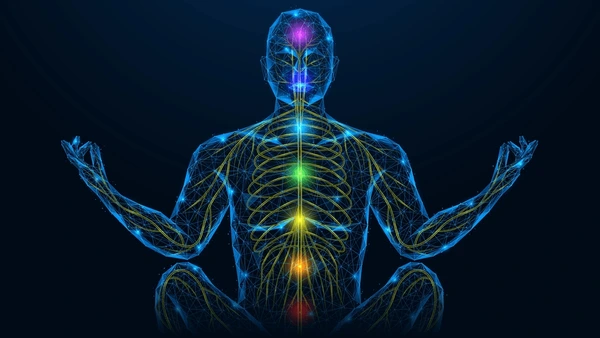
Yoga works like a gentle reset button for this entire system. Through movement, breath, and stillness, it activates the parasympathetic nervous system — the body’s natural “rest and digest” mode.
This helps lower heart rate, ease muscle tension, calm the mind, and prepare the body for deep rest.
Let’s explore seven yoga poses that specifically help relieve anxiety and insomnia, along with the reasons why they work — not just physically, but neurologically and emotionally.
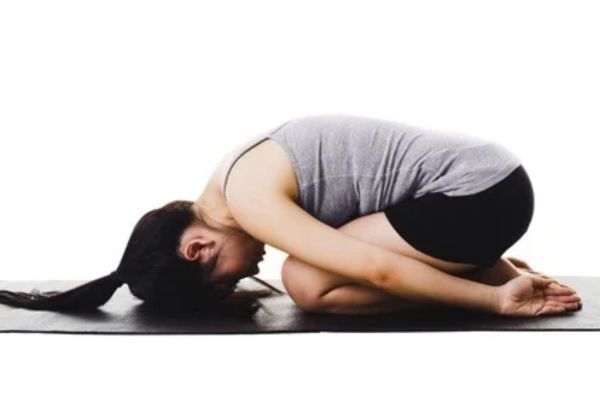
???? 1. Balasana (Child’s Pose) — The Pose of Emotional Surrender
When anxiety feels overwhelming, Child’s Pose is your safe haven. It creates a feeling of safety and surrender — like returning to a cocoon of peace.
How to do it:
- Kneel on the mat with your big toes touching and knees apart.
- Sit back on your heels and fold forward, resting your forehead on the mat.
- Extend your arms forward or keep them alongside your body.
- Stay for 8–10 slow breaths.
Why it works:
- The gentle pressure on the forehead activates the vagus nerve, calming the brain.
- It stretches the lower back and hips, releasing stored tension.
- Encourages deep diaphragmatic breathing, which signals safety to your nervous system.
Mindful tip: While in the pose, silently repeat — “I am safe, I am calm.”
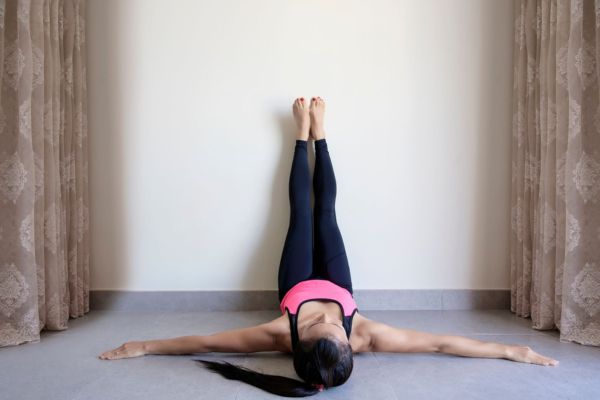
???? 2. Viparita Karani (Legs-Up-the-Wall Pose) — The Nervous System Reset
This restorative pose is a miracle for anyone struggling with anxiety or sleeplessness. Just five minutes can make your body feel like it’s rebooting from stress.
How to do it:
- Sit sideways near a wall and swing your legs up while lying on your back.
- Keep your hips close to the wall and your arms relaxed by your sides.
- Close your eyes and breathe deeply for 5–10 minutes.
Why it works:
- Improves blood circulation and drains stagnant lymph from tired legs.
- Calms the heart rate and activates the parasympathetic nervous system.
- Reduces symptoms of insomnia by lowering physiological arousal.
Bonus: You can place a folded blanket under your hips for added comfort and grounding.
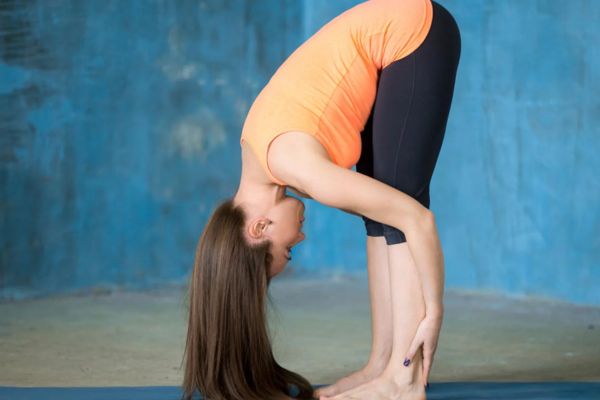
???? 3. Uttanasana (Standing Forward Bend) — Release Through Surrender
Anxiety often collects in our neck, shoulders, and lower back. This forward fold helps release that stored tension physically while soothing the mind.
How to do it:
- Stand tall with feet hip-width apart.
- Inhale deeply, then exhale as you fold forward from the hips.
- Let your head hang heavy and your arms dangle, or hold opposite elbows.
- Stay for 5–8 breaths.
Why it works:
- Increases blood flow to the brain, promoting relaxation.
- Lengthens the spine and releases tight hamstrings and lower back.
- Symbolically teaches “letting go” — the essence of peace.
Mindful tip: Visualize the worries sliding off your back with every exhale.
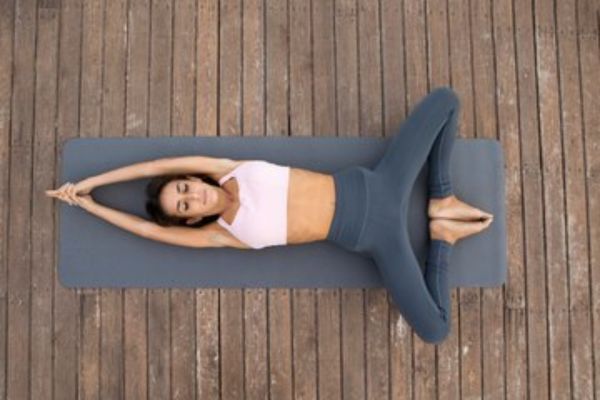
???? 4. Supta Baddha Konasana (Reclined Butterfly Pose) — Heart Opener for Emotional Healing
This deeply restorative posture releases emotional heaviness stored in the chest and hips — two areas most affected by anxiety.
How to do it:
- Lie on your back and bring the soles of your feet together, letting your knees fall open.
- Place cushions or yoga blocks under your knees for support.
- Rest your palms on your abdomen or heart.
- Stay for 5–10 minutes, breathing slowly.
Why it works:
- Opens the chest, improving oxygen flow and easing shallow breathing.
- Helps reduce anxiety by stimulating the heart chakra (Anahata).
- Promotes deep relaxation — ideal before bedtime.
Optional: Use an eye pillow or cover for sensory stillness.
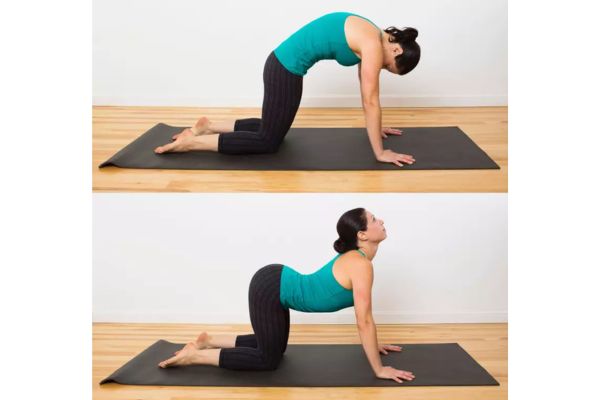
???? 5. Marjariasana–Bitilasana (Cat-Cow Stretch) — Moving Meditation for the Mind
When your mind races, movement helps. This simple flow combines breath and motion, teaching your nervous system to regulate itself through rhythm.
How to do it:
- Begin on all fours, wrists under shoulders, knees under hips.
- Inhale, arch your spine (Cow Pose), lifting your gaze and tailbone.
- Exhale, round your back (Cat Pose), tucking your chin to the chest.
- Continue flowing gently with each breath for 1–2 minutes.
Why it works:
- Releases tension along the spine where stress often accumulates.
- Synchronizes movement with breath — key for calming anxiety.
- Helps shift focus from overthinking to body awareness.
Mindful cue: Match each breath with a slow, graceful movement — like waves in the ocean.
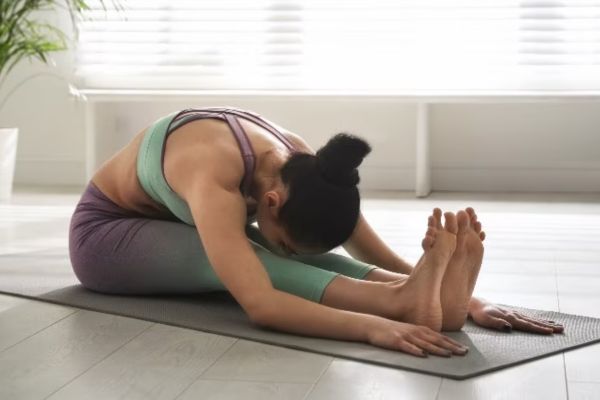
???? 6. Paschimottanasana (Seated Forward Fold) — Calming the Inner Turmoil
Forward folds are inherently grounding, and this one invites introspection and calmness — a perfect posture before sleep.
How to do it:
- Sit with legs extended forward.
- Inhale, lengthen your spine.
- Exhale, hinge from the hips and fold forward, reaching for your feet or shins.
- Hold for 8–10 breaths.
Why it works:
- Stretches the entire back body, releasing muscular stress.
- Encourages a sense of inward retreat and stillness.
- Lowers blood pressure and slows heart rate, aiding sleep.
Mindful tip: Don’t force the stretch; the goal here is surrender, not flexibility.
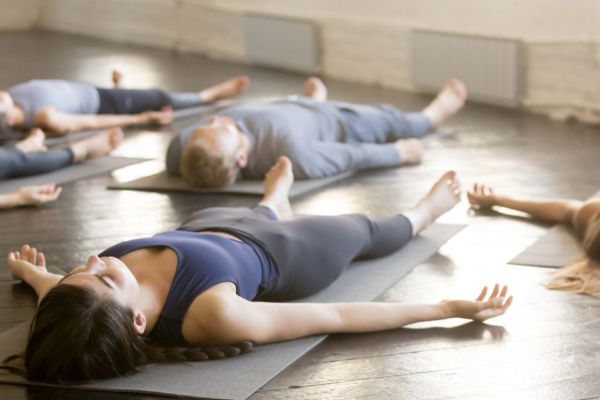
???? 7. Savasana (Corpse Pose) — The Gateway to Deep Rest
This final pose is where everything integrates — movement, breath, awareness, and release. It’s the yogic key to overcoming insomnia.
How to do it:
- Lie flat on your back, feet slightly apart, arms beside you.
- Close your eyes and soften your entire body.
- Focus on your breath or silently repeat, “I am calm. I am home.”
- Stay for at least 10 minutes.
Why it works:
- Calms the brain and reduces sensory overload.
- Lowers blood pressure and cortisol levels.
- Transitions the body into a pre-sleep state naturally.
Pro tip: Practice Savasana in dim light or with soft instrumental music for a deeper effect.

???? A Gentle Nighttime Yoga Routine (15 Minutes Before Bed)
For those struggling with insomnia, here’s a simple bedtime flow:
- Marjariasana–Bitilasana (Cat-Cow) – 1 minute
- Uttanasana (Standing Forward Bend) – 1 minute
- Supta Baddha Konasana (Reclined Butterfly Pose) – 5 minutes
- Viparita Karani (Legs-Up-the-Wall) – 5 minutes
- Savasana (Corpse Pose) – 3–5 minutes
???? Tip: Keep the lights low, phone away, and focus on slow nasal breathing.
This short sequence can dramatically reduce nighttime anxiety and prepare the body for rest without any external aid.
???? Beyond the Asanas — Yogic Lifestyle Tips for Anxiety and Insomnia
Yoga is not just about poses; it’s about living mindfully.
Here are simple habits to deepen the effect of your practice:
- Follow a consistent sleep routine. The body loves rhythm — sleep and wake up at the same time daily.
- Practice Pranayama like Anulom Vilom or Bhramari for 5 minutes before bed.
- Reduce caffeine and screen time post-evening.
- Journal before sleep. Writing releases mental clutter.
- Gratitude meditation. End your day by acknowledging three things you’re thankful for.
???? The Science Behind Yoga’s Effect on Anxiety and Sleep
Modern research increasingly validates what ancient yogis knew intuitively. Studies show that regular yoga:
- Lowers cortisol levels and balances serotonin and GABA — neurotransmitters linked to calmness.
- Improves heart rate variability (HRV), a marker of emotional resilience.
- Enhances melatonin secretion, improving sleep quality and duration.
- Reduces overactivity in the amygdala, the brain’s fear center.
This proves yoga isn’t just spiritual poetry — it’s neurophysiological therapy through movement, breath, and mindfulness.
???? Final Thoughts — From Chaos to Calm
Anxiety and insomnia are not signs of weakness; they are your body’s way of asking for balance.
Yoga helps you answer that call gently — not by escaping your thoughts, but by learning to breathe through them.
With each pose, you teach your mind that it is safe to let go.
With each breath, you remind your body that rest is your natural state.
So tonight, instead of scrolling through one more video, roll out your mat, dim the lights, and just breathe.
Let yoga be your lullaby — steady, soft, and sacred. ????