
The Spine as Your Mind’s Mirror
Most people come to yoga believing the body needs stretching, strengthening, or softening. But beneath the visible movements lies a subtler truth: your spine is constantly broadcasting messages about your inner world. Every curve, every stiffness, every expansion or collapse expresses something about your thoughts, emotions, identity, and the way you respond to life. The spine is not just a structural pillar; it is the meeting point of memory, psychology, instinct, and energy. When you practice yoga, you are not only moving bones and muscles; you are reading the silent language of the spine—an honest conversation between your inner and outer worlds.
The Emotional Body Hidden in Your Posture
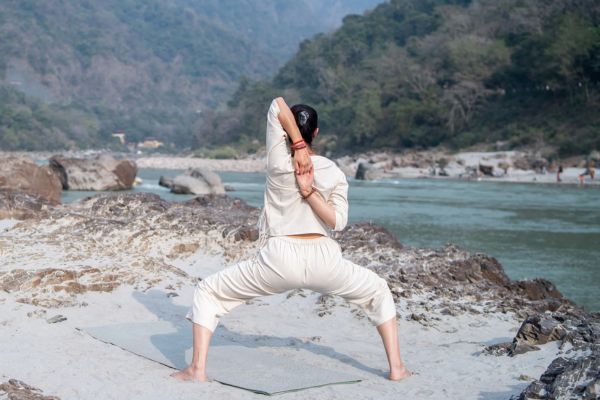
Your spine reacts to emotions long before your conscious mind notices them. Fear curls the body inward, the chest collapses, and the shoulders instinctively rise as if to protect the heart. Confidence opens the chest, lifts the sternum, and lengthens the neck without effort. These reactions reveal that posture is deeply emotional. A sunken chest may not be laziness but years of self-protection. Chronic tension in the lumbar region may signal long-term survival stress that the conscious mind has forgotten. Even tightness between the shoulder blades often reflects burdens carried quietly over time. In yoga, when you hold a pose, you are not just aligning your body—you are uncovering the emotional patterns stored within it.
The Energetic Spine: Prana, Consciousness, and Mental Patterns
Yogic wisdom describes the spine as the central channel of prana, where life force flows and consciousness evolves. Modern science might explain it through the nervous system, but the essence remains the same: the state of your spine influences the state of your mind. Each part of the spine corresponds to psychological qualities. The cervical spine reflects your relationship with communication and self-expression. The thoracic spine holds emotional memory and your capacity to connect with others. The lumbar spine represents security, groundedness, and your sense of safety in the world. The sacral region is the seat of identity and creativity. When a posture affects these regions, it quietly reveals where energy flows freely in your life and where it stagnates. A struggle with backbends often reflects emotional guarding. A difficulty in forward folds can indicate resistance to surrender. Twists expose where you resist change internally. Yoga thus becomes a map that reveals how your mind interacts with your own inner energy system.
Flexibility, Rigidity, and the Psychology of Movement
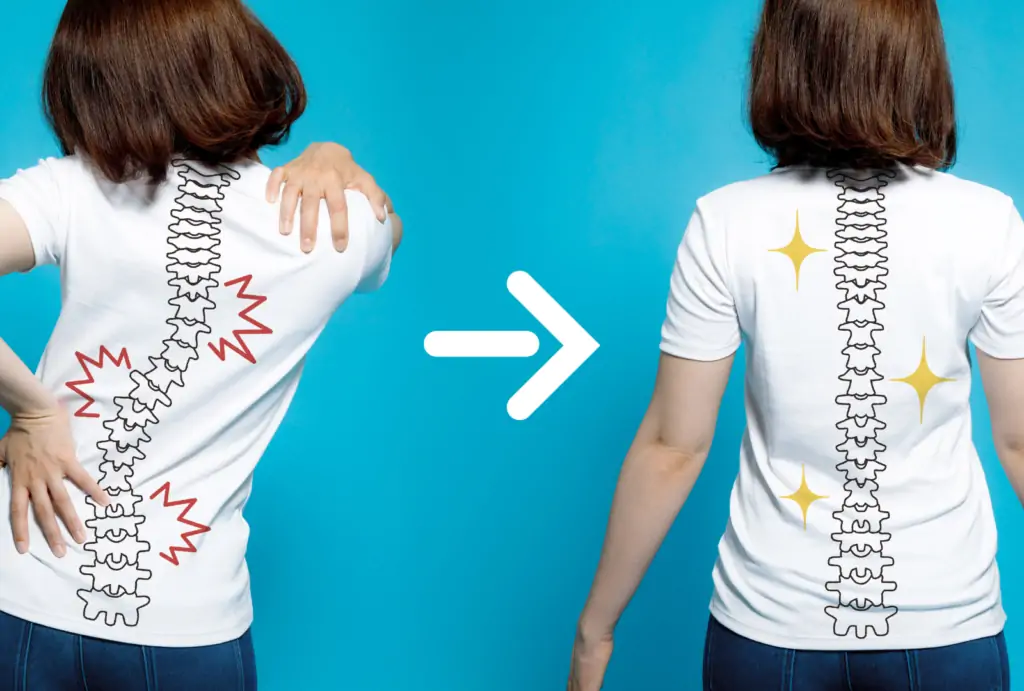
Stiffness in the spine is rarely only physical; it often reflects psychological rigidity formed by experiences, memories, and unprocessed emotions. When someone struggles to bend forward, the issue may not be the hamstrings but the tension in the back body created to protect old emotional wounds. Resistance in heart-opening postures may reflect a lifetime of shielding oneself from hurt. Discomfort in twisting postures may indicate an inner resistance to letting go of habitual thoughts or long-standing patterns. Somatic psychology shows that unprocessed emotions create chronic muscular contraction, and over time the posture becomes part of the personality. Yoga offers a safe space to gently explore these patterns. The body is not “inflexible”; it is intelligent and protective. With each mindful movement, it begins to soften its defenses.
How Yoga Uncovers Subconscious Memory
Many practitioners are surprised when certain poses suddenly trigger tears, anxiety, or a flood of old memories. This is not accidental. The spine, surrounded by fascia and the central nervous system, stores emotional memory. As yoga gradually lengthens fascial layers, frees joint spaces, and deepens breath, suppressed feelings can surface. A deep backbend may stir hidden sadness from the chest. A forward fold may release long-held anxiety around the diaphragm. Twists may uncoil frustration trapped between the ribs. Child’s pose may evoke vulnerability or longing. Yoga does not create these emotions—it reveals what was residing silently beneath the surface. When the spine opens, the subconscious finally finds a doorway to express itself.
Your Posture and Your Identity: How the Spine Shapes the Self
The way you carry your spine says more about you than your words ever could. A collapsed chest often belongs to someone who has learned to shrink themselves or internalize doubt. An exaggerated lower back arch may belong to someone who feels compelled to overperform or prove their worth. A stiff neck may reflect someone who carries responsibilities heavier than they can admit. A rounded upper back may signal the emotional habit of bending to others’ expectations. Over time, posture becomes identity. But yoga gives you the profound ability to rewrite that identity. When you consciously realign your spine, your sense of self reorganizes itself. You begin to breathe more freely, set boundaries more firmly, walk with greater presence, and inhabit your own space with more authenticity.
Spinal Intelligence and the Art of Moving Mindfully
The spine does not need perfect postures; it needs mindful ones. The ego pushes for depth and shape, but the spine asks for safety, breath, and awareness. If you force your body, hold your breath, or rush into poses, your spine protects itself by tightening. If you soften, listen, and breathe, the spine reveals its intelligence. The way you practice yoga reflects the way you live. If you push aggressively, you likely push yourself in life. If you collapse into poses, you may collapse boundaries elsewhere. If you tense your shoulders constantly, you may be carrying emotional loads that are not yours. Yoga becomes a training ground for gentler patterns of being. With mindful movement, the spine teaches timing, patience, expansion, release, and trust.

What Happens When the Spine Finally Aligns
When the spine realigns, the entire inner world shifts. Breath becomes fuller, the nervous system stabilizes, and the mind becomes quieter. Clarity replaces chaos. Groundedness replaces restlessness. Decisions feel intuitive rather than anxious. Yogic texts describe this state as the awakening of the sushumna; science describes it as parasympathetic regulation; psychology describes it as integration. Alignment is not only structural—it is emotional coherence and energetic harmony. When the spine aligns, the self aligns.
Every Yoga Posture Is a Conversation
Every posture in yoga asks a question, and the spine answers through sensation. A forward fold asks where you struggle to surrender. A backbend asks how open your heart truly is. A twist asks what part of you resists change. Balancing poses ask where your mind wavers under uncertainty. Stillness asks what rises when distractions fall away. These questions and answers form the silent dialogue between body and mind, revealed through the language of the spine.

Conclusion: Listening to the Story Within Your Spine
Your spine is the autobiography your mind forgot to tell. It carries your fears, your habits, your hidden strengths, your burdens, and your unexpressed potential. Yoga does not teach the spine to move—it teaches the mind to listen. And once you begin listening, your entire inner world begins to reorganize itself gently and profoundly. The next time you step onto your mat, do not ask whether you can stretch deeper or hold longer. Ask what your spine is trying to reveal today. Because when you understand its language, you unlock not just physical alignment but emotional clarity, mental freedom, and an entirely new relationship with yourself.