
Winter has a way of revealing the truth about our joints.
When temperatures drop, synovial fluid thickens, circulation slows down, and that old shoulder, knee, or lower-back stiffness suddenly feels louder than the alarm clock. For many people, this season becomes a reminder of mobility they once took for granted. But the good news is—your body has an in-built mechanism to reclaim joint freedom: yoga for joint health.
Yoga is more than stretches. It is a science of articulation, lubrication, and neuromuscular synchronization. In winter, when joints demand warmth, circulation, and mindful movement, yoga becomes a biological support system. This blog explores the exact science of how yoga supports joint health, followed by powerful asanas that keep your joints healthy and functioning throughout the cold months.
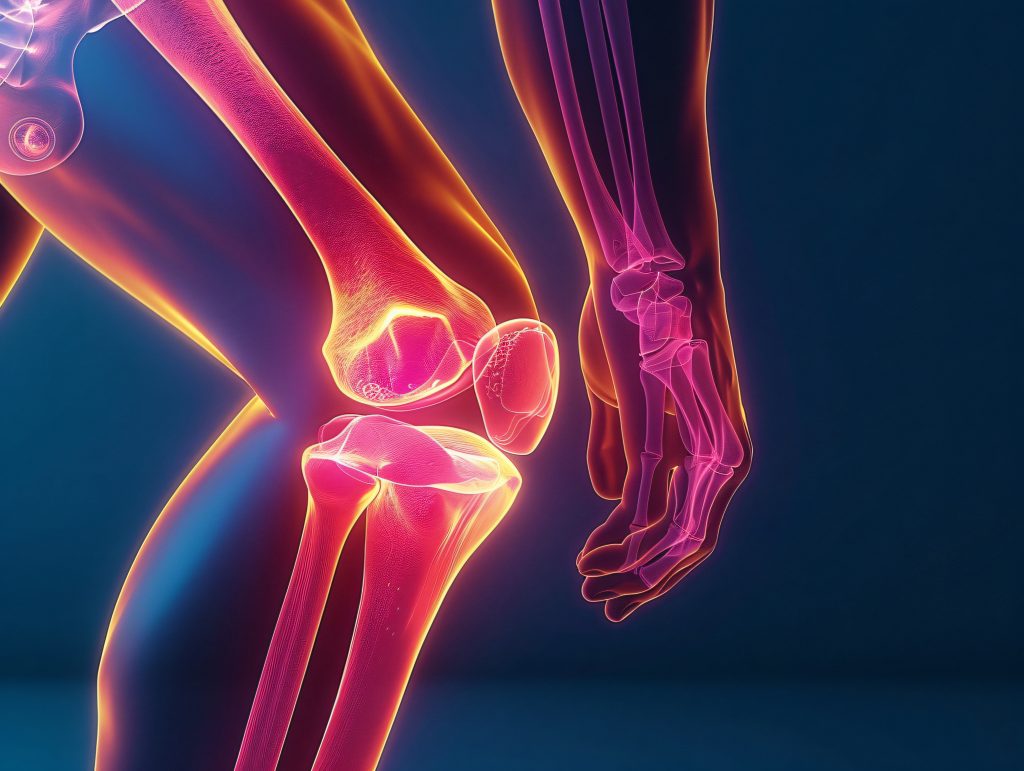
Why Winter Affects Joint Mobility: The Science You Should Know
Before diving into the asanas, it’s important to understand what winter actually does:
1. Reduced Synovial Fluid Mobility
Synovial fluid acts like engine oil for your joints. Cold temperatures make it thicker, reducing its ability to lubricate. Yoga’s gentle, repeated joint movements increase heat and help the synovial membrane secrete fresh fluid—almost like warming the oil before driving.
2. Vasoconstriction and Reduced Blood Flow
Cold conditions shrink blood vessels. Less circulation means your joints receive fewer nutrients and oxygen. Yoga increases peripheral blood flow, bringing essential nutrients back to the joints.
3. Stiff Fascia and Connective Tissue
Winter makes fascia contract. Yoga’s slow stretching helps restore fascia elasticity, preventing stiffness in hips, shoulders, neck, spine, and wrists.
4. Nervous System Sensitivity
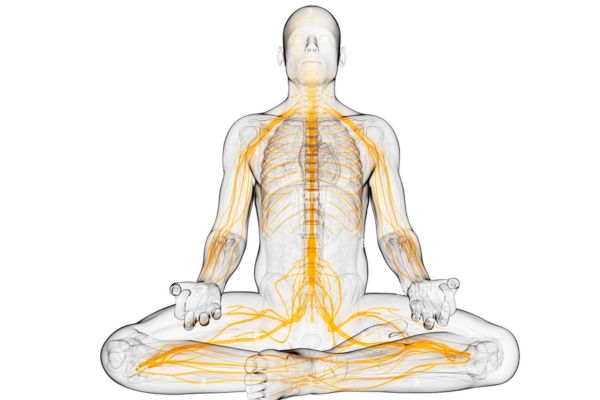
Cold heightens pain receptors. Breath-led yoga lowers the body’s pain response and relaxes the sympathetic nervous system.
This combination explains why yoga for joint health becomes crucial during winter—not just for relief but for long-term protection.
The Philosophy Behind Yoga for Joint Health
Traditionally, yoga recognizes joints as sandhis—sacred junctions where mobility and stability coexist. When a joint loses mobility, prana (life force) stagnates. Yogic texts emphasize that balanced movement, warmth, and breath keep these energy gates open.
Winter is the season where these gates may partially close.
Your practice, therefore, should be designed to:
- Warm the joints
- Strengthen surrounding muscles
- Improve flexibility
- Enhance fluid circulation
- Reduce inflammation
- Calm the nervous system
The following sequence of asanas accomplishes exactly that.
Best Yoga Asanas to Keep Your Joints Healthy in Winter
These asanas are selected based on biomechanics, not just tradition. They improve lubrication, stimulate connective tissues, and support long-term joint resilience.
1. Pawanmuktasana Series – Anti-Stiffness Joint Mobilizers
This series, developed by the School of Yoga, is one of the most advanced yet simplest tools for joint longevity.

Why it works for joint health
- Mobilizes every joint from toes to neck
- Stimulates synovial fluid
- Releases trapped metabolic waste
- Reduces inflammation
Key Movements
- Ankle bending and rotations
- Knee flexion and extension
- Hip opening movements
- Wrist and finger mobilization
- Elbow and shoulder rotations
- Neck rolls
In winter, performing this 8–10 minute sequence can feel like oiling your entire skeletal structure.
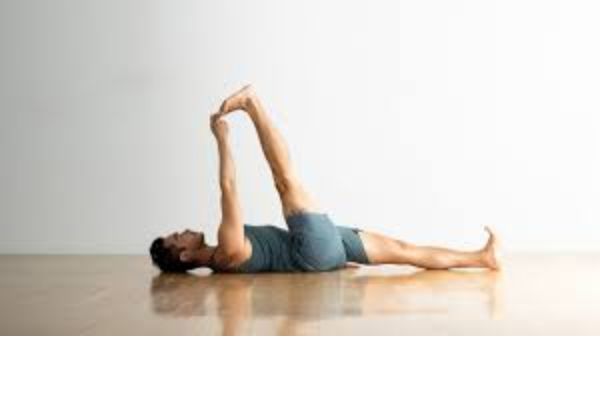
2. Supta Padangusthasana – Hamstring & Hip Rescue Pose
Tight hamstrings can pull on the knees and hips, worsening joint pain.
This asana works like physiotherapy for lower limb joints.
Benefits
- Aligns the knee joint
- Lengthens hamstrings and calves
- Improves hip joint space
- Reduces pressure on the lower back
Why it’s great for winter
The extended stretch improves blood flow in normally cold, under-circulated leg muscles.
3. Marjariasana–Bitilasana (Cat–Cow) – Spine & Shoulder Mobilizer
This dynamic movement awakens your spine and rejuvenates the vertebral joints.

Benefits
- Lubricates spinal joints
- Relieves neck and shoulder tightness
- Enhances flexibility of the entire back
- Warms up deep spinal muscles
Winter connection
Cat–Cow generates internal heat, countering the cold-induced contraction of spinal fascia.
4. Setu Bandhasana (Bridge Pose) – Hip, Spine & Knee Strengthener
Bridge is not just a backbend; it’s a powerful stabilizer for major joints.

Benefits
- Strengthens glutes, hamstrings, and lower back
- Reduces knee pressure by strengthening surrounding muscles
- Opens chest and shoulder joints
- Improves hip mobility
Perfect for winter
Warms the pelvic region, which often stiffens due to reduced activity.
5. Vrikshasana (Tree Pose) – Joint Alignment for Stability
The secret to healthy joints is alignment.
Tree Pose corrects misalignments caused by sitting, poor posture, and cold stiffness.

Benefits
- Strengthens knee and ankle joints
- Improves postural balance
- Activates stabilizer muscles
- Enhances proprioception (joint positional awareness)
Why it supports winter joint health
Proprioception declines in cold weather—Tree Pose reawakens it.
6. Adho Mukha Svanasana (Downward Dog) – Total-Body Joint Conditioner
A staple in yoga for joint health, this pose decompresses multiple joints simultaneously.

Benefits
- Lengthens spine
- Opens shoulders
- Strengthens wrists
- Stretches calves and ankles
- Enhances circulatory flow
In winter, inverted poses like this help overcome sluggish circulation.
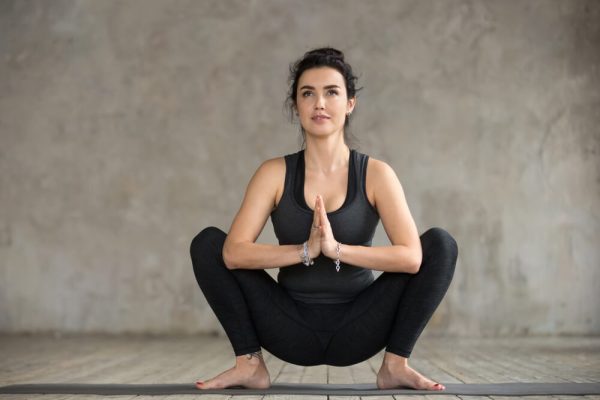
7. Malasana (Yogic Squat) – Hip, Knee & Ankle Mobility Master
Malasana creates space in the hip sockets and strengthens knees.
Benefits
- Improves hip flexor mobility
- Strengthens knee ligaments
- Opens ankle joints
- Reduces stiffness in lower back
Winter advantage
This deep squat position generates warmth in the lower joints quickly.
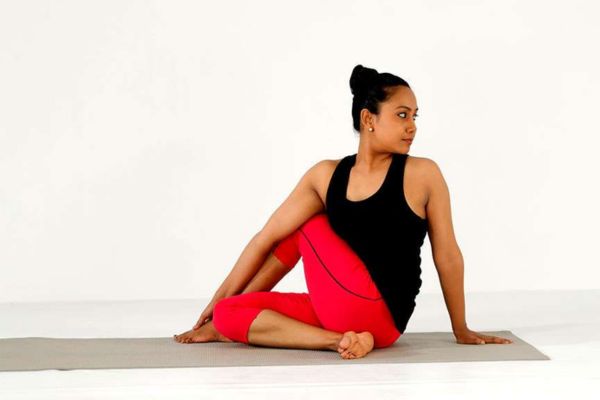
8. Ardha Matsyendrasana – Twist for Spinal Joint Hydration
A gentle twist can hydrate the spine like nothing else.
Benefits
- Releases tension from thoracic joints
- Improves spinal rotation mobility
- Stimulates nerves around the vertebrae
- Enhances digestion, which influences joint inflammation
Why ideal for winter
Twists improve circulation around stiff trunk muscles, restoring warmth.
9. Ustrasana (Camel Pose) – Shoulder & Spinal Expansion
Winter often makes the upper back round and shoulders collapse inward.
Camel reverses this.
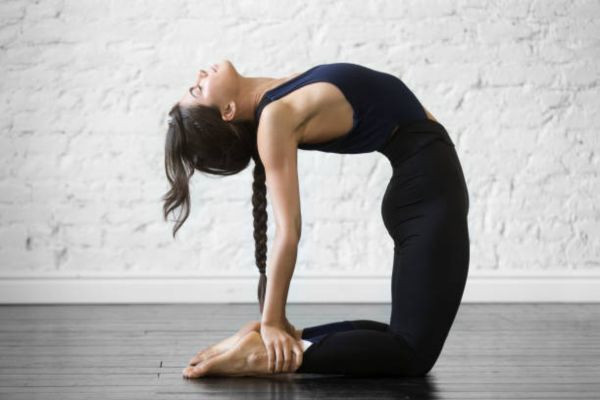
Benefits
- Opens shoulder joints
- Expands chest cavity
- Strengthens spinal extensors
- Improves posture
Joint health role
Better posture reduces chronic joint stress.
10. Balasana (Child’s Pose) – Restorative Joint Recovery
This seemingly simple pose aids joint recovery after movement.

Benefits
- Relaxes hip and knee joints
- Calms the nervous system
- Allows spinal decompression
- Reduces winter-induced stiffness
Why essential
It acts as a “cool down” that retains warmth in the muscles without losing mobility.
Breathing Techniques That Support Joint Health
Breath is the hidden lubricant of the body.
When combined with movement, it warms tissues and reduces stiffness.
Try these pranayamas in winter:
1. Ujjayi Breath
Creates internal heat and increases circulation.
2. Bhastrika
Boosts metabolism and generates warmth for cold-sensitive joints.
3. Anulom Vilom
Balances inflammation and relaxes pain-sensitive nerves.
Practicing pranayama alongside yoga for joint health accelerates results.
Additional Tips to Protect Your Joints During Winter
Yoga is most effective when integrated into a winter lifestyle that respects your joints.
1. Warm up properly
Never stretch cold muscles—always do 5 minutes of joint rotations first.
2. Use warmth wisely
Practice in a warm room or use a shawl at the start.
3. Hydrate more than you think
Winter dehydration reduces synovial fluid—drink regularly.
4. Add natural anti-inflammatories
Turmeric milk, ginger tea, sesame oil massages work wonders.
5. Prioritize consistency
Short, daily movement beats long, irregular sessions.
A Sample 15-Minute Winter Yoga Routine for Joint Health
1. Wrist, ankle, and knee rotations – 2 min
To activate synovial fluid.
2. Cat–Cow – 2 min
To warm up the spine.
3. Downward Dog – 2 min
To lengthen and lubricate major joints.
4. Malasana – 2 min
To open hips and ankles.
5. Bridge Pose – 2 min
To strengthen knee, hip, and spine support muscles.
6. Ardha Matsyendrasana – 2 min
To hydrate and release the spine.
7. Child’s Pose – 3 min
To restore warmth and calm the joints.
This can be practiced daily to keep stiffness away.

Conclusion: Warm Your Joints from the Inside Out with Yoga
Winter doesn’t have to be synonymous with stiffness.
Your joints are designed to move, breathe, and stay alive with circulation. With the right asanas, breathing practices, and daily rituals, you can turn the season into an opportunity to build strength, flexibility, and joint resilience.
Practicing yoga for joint health is not just a remedy—it is a long-term investment in your body’s mobility. Think of each asana as nourishment for your joints, each breath as warmth for your tissues, and each session as protection against winter’s grip.
Move consistently. Move mindfully.
And let your joints experience winter with ease and freedom.