
For thousands of years, yogic philosophy has emphasized that the human body is not segmented into isolated systems; it is an intelligent continuum where the body, breath, emotions, and consciousness interact constantly. Among these subtle interactions, one of the most profound is the relationship between the gut and the mind. Modern science now recognizes this pathway as the gut–brain axis, yet ancient yogic texts—Hatha Yoga Pradipika, Bhagavad Gita, Yoga Sutras of Patanjali, and various Ayurvedic scriptures—had already mapped this connection in deeply insightful ways. Yoga practitioners today are increasingly rediscovering this wisdom, not as a historical curiosity, but as a practical tool to enhance digestive health, emotional stability, and mental clarity.
1. Reuniting Ancient Yogic Wisdom with Modern Physiology
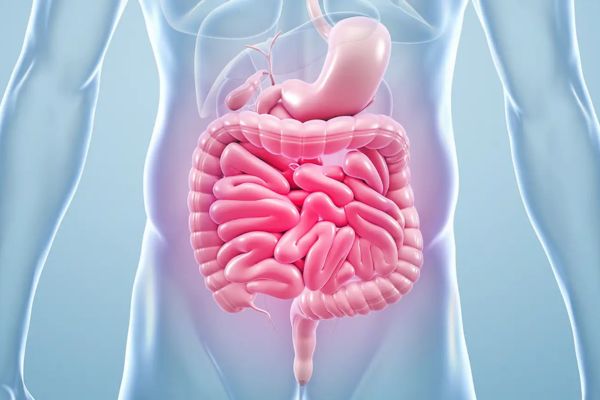
The idea that the gut influences mental states appears cutting-edge in contemporary wellness discussions. However, ancient yoga described the abdomen as the seat of physical vitality (agni), emotional retention, and energetic transformation. Yogic physiology states that when the digestive fire is strong, the mind remains steady, senses remain sharp, and one is able to carry out higher yogic pursuits without distraction. When digestion is impaired, the mind becomes restless, the breath becomes shallow, and the nervous system shifts into imbalance.
Modern understanding echoes this. The gut is not just a place where food breaks down; it houses a vast network of neurons known as the enteric nervous system, produces neurotransmitters, and communicates with the brain through biochemical signals. What is fascinating is how closely this mirrors the yogic idea that manas (the mind) is deeply influenced by the quality of digestion and the subtle energies produced in the abdomen.
2. How the Gut Stores Emotions: A Yogic Perspective
The gut is considered the primary storehouse of suppressed emotion in yoga. Many ancient teachers referred to the abdomen as the “emotional brain,” long before we coined the term. Yogic practices like Nauli, Uddiyana Bandha, Kapalabhati, and Agnisara Kriya were designed to cleanse not only the digestive tract but also the emotional impressions accumulated over time.
According to ancient yogic texts, emotional stagnation in the gut leads to:
- Weak digestion and fluctuating appetite
- Disturbances in the flow of prana
- A decline in clarity, motivation, and discipline
- Heightened anxiety, fear, and agitation
These descriptions align with what is now known: chronic stress alters gut motility, affects microbiome balance, and leads to inflammatory responses that directly influence mood. In yoga, however, this connection was understood as a two-way dialogue—a digestive imbalance disturbs the mind, and an agitated mind disturbs digestion.
3. Prana, Agni & the Gut–Mind Dialogue
The ancient yogic model uses two central concepts to explain gut–mind communication:
Agni — the Digestive Fire
Agni is not merely physical metabolism; it is the intelligence that governs transformation in every layer of our being. A balanced agni means food becomes nourishment, breath becomes energy, and experiences become wisdom. A disturbed agni leads to ama—toxicity, stagnation, heaviness, and confusion.
Prana — the Life Force
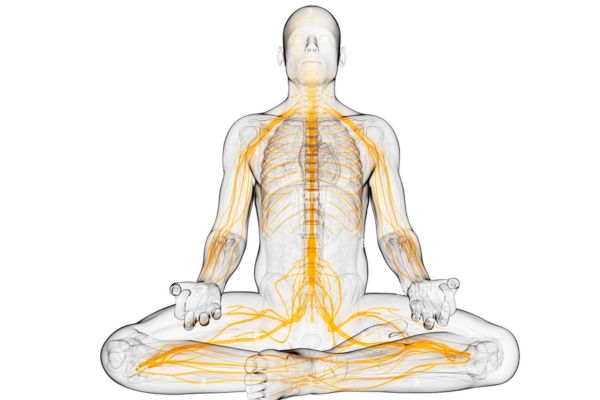
Prana flows through subtle energy channels (nadis) and governs every physiological and psychological process. The movement of prana in the abdominal region is especially important because it influences both samana vayu (digestion, assimilation) and apana vayu (elimination, grounding).
When prana and agni are balanced, one experiences mental alertness, emotional ease, and bodily lightness. When they become disturbed, the gut becomes the first to signal disharmony, which then cascades into emotional imbalance.
4. Why Yogis Focused on Digestion Before Meditation
In many classical teachings, practitioners were instructed: “First cleanse the gut, then purify the mind.” The emphasis on shatkarmas (cleansing practices) was not merely ritualistic; they were designed to create a physiological and emotional foundation for deeper practices.
A distracted, anxious, or restless mind often correlates with:
- Irregular bowel movements
- Bloating and heaviness
- Poor absorption
- Inflammation or sluggishness
- Erratic appetite cycles
By restoring digestive balance, the nervous system stabilizes, emotions settle, and meditation becomes more natural. Modern science describes a similar process through the vagus nerve—a communication superhighway between the gut and the brain. Stimulating the vagus nerve (through breathwork, yoga postures, and relaxation) improves digestion and mental balance simultaneously.

5. The Gut as the Second Brain: What Yoga Knew All Along
The phrase “second brain” has now gained scientific popularity. This second brain, located in the gut, produces mood-regulating neurotransmitters, manages inflammation, and interacts with the central nervous system. Yet, yogic teachings have long described the abdomen as the seat of intuition, courage, willpower, and emotional resilience.
Ancient yogis believed the gut influenced:
- Decision-making clarity
- Emotional regulation
- Deep intuitive states
- Confidence and inner strength
- Capacity for meditation
The manipura chakra, located at the navel center, symbolizes transformation, fire, and personal power. When manipura is weak, one feels indecisive, anxious, or overwhelmed. When strong, one feels capable, enthusiastic, and grounded. This chakra model beautifully parallels modern findings on the connection between digestive balance and emotional stability.
6. Yogic Practices That Support the Gut–Mind Axis
A comprehensive yoga practice supports the gut–mind connection through movement, breath, and mindful attention. The following techniques stimulate digestive fire, improve vagal tone, and reduce chronic inflammation.
1. Asanas for Gut Function
Postures that compress, twist, and stretch the abdomen enhance gut motility and reduce stagnation:
- Trikonasana
- Marichyasana variations
- Setu Bandhasana
- Bhujangasana
- Apanasana
- Ardha Matsyendrasana
These poses also regulate samana vayu, improving digestion and assimilation.
2. Breathwork That Calms the Gut
The gut responds instantly to the breath. Slow diaphragmatic breathing stimulates the vagus nerve, promoting a parasympathetic response. Yogic texts emphasize Nadi Shodhana, Bhastrika, and Kapalabhati to strengthen agni and clear emotional blockages stored in the abdomen.
3. Meditation & Mindfulness
Meditation reduces stress hormones that disturb gastrointestinal function. Practices like breath awareness and mantra meditation stabilize the mind, which in turn restores gut rhythm.
4. Gut-Cleansing Kriyas
Ancient yogis used subtle cleansing practices to rejuvenate the digestive system and the mind simultaneously. These include Nauli, Uddiyana Bandha, and Agnisara. When practiced under expert guidance, they revive digestive fire and remove chronic stagnation.

7. How a Healthy Gut Enhances Your Yoga Practice
A balanced gut does far more than improve digestion—it transforms the entire experience of yoga.
1. Enhanced Emotional Resilience
When gut inflammation reduces, emotional stability increases. Yogis often describe feeling “lighter,” “more grounded,” and “less reactive,” which mirrors physiological changes in the gut–brain axis.
2. Improved Energy Flow
Digestive balance allows prana to circulate more freely, enhancing stamina, motivation, and clarity in asanas and meditation.
3. Greater Mental Focus
A calm gut leads to a calm mind. This directly improves concentration (dharana) and prepares the practitioner for deeper meditative states (dhyana).
4. Reduction in Anxiety & Overthinking
Many individuals find that once digestive disturbances ease, thought cycles become quieter. This is because the gut has a direct impact on neurotransmitter balance.
5. Better Sleep & Recovery
A well-regulated gut influences sleep cycles, hormonal rhythms, and the body’s ability to heal—making yoga practice more effective.
8. What This Means for You: The Practical Takeaway
The gut–mind connection is not a trend; it is a rediscovery of ancient yogic knowledge that remains astonishingly relevant today. Whether you are struggling with stress, digestive issues, fatigue, or emotional instability, working on your gut health through yoga can create a transformation that medication or diet alone may not achieve.
Yoga does not treat the gut and mind separately—it harmonizes them through breath, movement, and awareness. This alignment is what leads to long-lasting vitality, emotional balance, and mental clarity.

9. Begin Your Gut–Mind Healing Journey with Us
If you feel your digestion has been controlling your mood, energy, or daily rhythm, it may be time to reconnect with your inner fire. Our yoga classes are designed with this holistic understanding—combining traditional wisdom with modern insights to help you build a healthier gut and a calmer mind.
Whether you are a beginner or an experienced practitioner, our guided sessions help you:
- Strengthen digestive fire
- Release emotional tension
- Improve breath quality
- Build core vitality
- Reduce stress and anxiety
- Access deeper states of relaxation and clarity
Your gut is speaking to your mind every single moment. Yoga teaches you how to listen.
Join our classes and experience the transformation that ancient yogis discovered long before science caught up.