
In today’s fast-paced world, sleep disorders have become a widespread issue. From insomnia to disrupted sleep cycles, millions of individuals struggle to find the restful sleep their bodies crave. As the search for effective solutions grows, Yoga Nidra emerges as a transformative practice offering more than just physical relaxation. This ancient technique, often referred to as “yogic sleep,” has profound mental health benefits and offers an unconventional yet powerful remedy for deep relaxation and sleep disorders.
Unlike conventional meditation or sleep techniques, Yoga Nidra takes you to the threshold of sleep while keeping your mind awake and aware. It provides an opportunity for the mind to unwind, process emotions, and reconnect with the body’s natural rhythm. If you are tired of searching for solutions that don’t provide long-term relief, Yoga Nidra might hold the key to unlocking a deeper sense of tranquility and restorative rest.
In this blog post, we will explore the benefits of Yoga Nidra, its impact on mental health, how it helps combat sleep disorders, and why it stands out as a unique approach to deep relaxation.

What is Yoga Nidra?
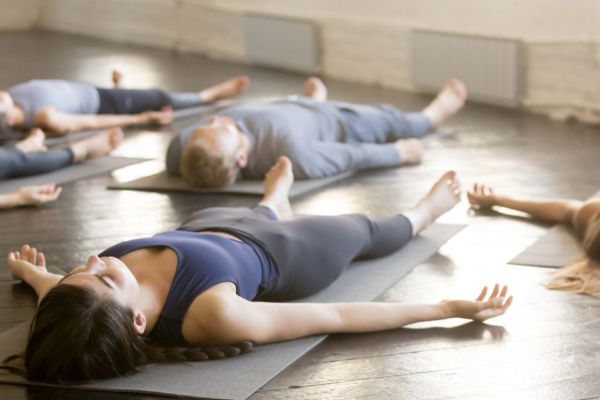
Yoga Nidra, often known as “yogic sleep,” is a state of conscious relaxation that guides practitioners into a deep meditative state where the body is fully relaxed, but the mind remains alert. This state of relaxation is not the same as sleep. In fact, Yoga Nidra helps bridge the gap between sleep and wakefulness, creating a liminal space where the body can heal, the mind can rejuvenate, and the soul can find balance.
During a Yoga Nidra session, practitioners are typically guided through a body scan, breath awareness, visualization, and intention-setting (sankalpa). These practices bring awareness to every part of the body, calming the nervous system and inducing profound relaxation. Unlike traditional forms of meditation, where you actively focus on thoughts or mantras, Yoga Nidra invites you to surrender into a state of deep relaxation, much like the state just before falling asleep.
Yoga Nidra and Sleep Disorders: A Game-Changer
Sleep disorders, such as insomnia, restless leg syndrome, and sleep apnea, affect millions of people worldwide. These conditions lead to chronic fatigue, mental fog, and irritability, making it difficult for individuals to function optimally during the day. Traditional remedies, such as medication or sleep aids, often provide only temporary relief and come with a host of side effects.
Yoga Nidra offers a holistic alternative, helping the body and mind to naturally restore balance. Here’s how Yoga Nidra helps with sleep disorders:
1. Restores Natural Sleep Cycles
One of the primary Yoga Nidra benefits is its ability to help restore and regulate natural sleep cycles. When practiced regularly, it trains the body to recognize what true, restorative sleep feels like. By reaching a state of relaxation that mirrors the benefits of deep sleep, Yoga Nidra helps synchronize the body’s internal clock, which may have been disrupted due to stress, anxiety, or chronic sleep deprivation.
Research has shown that Yoga Nidra activates the parasympathetic nervous system, responsible for the “rest and digest” functions. This activation promotes the body’s ability to wind down, making it easier to fall asleep and stay asleep. Over time, this helps reset the circadian rhythm, offering individuals a more regular and restful sleep schedule.
2. Reduces Stress and Anxiety
A significant contributor to sleep disorders is chronic stress and anxiety. The constant state of heightened arousal and tension makes it difficult for individuals to unwind, especially when trying to sleep. Yoga Nidra, however, induces a profound sense of calm, which directly counteracts the effects of stress and anxiety.
Through deep relaxation, Yoga Nidra lowers cortisol levels, the hormone responsible for stress, while simultaneously increasing serotonin and dopamine, which are associated with feelings of well-being. As the mind learns to enter a calm, relaxed state, it becomes easier to let go of the worries and anxieties that prevent sleep. For those suffering from anxiety-related sleep issues, Yoga Nidra offers a non-invasive, therapeutic way to reduce mental chatter and create a peaceful mind before bedtime.
3. Balances the Nervous System
The autonomic nervous system (ANS) controls the body’s involuntary functions, such as heart rate, digestion, and sleep. A dysregulated ANS can lead to heightened states of arousal, which often contribute to sleep disorders. Yoga Nidra helps balance the sympathetic (fight-or-flight) and parasympathetic (rest-and-digest) branches of the ANS, allowing the body to enter a more harmonious state of relaxation.
In a Yoga Nidra session, the body is guided into a deeply relaxed state through a combination of breathwork and visualization. As a result, the heart rate slows, blood pressure decreases, and the body enters a restorative, healing state that facilitates natural sleep. This calming effect is especially beneficial for individuals suffering from insomnia or conditions like sleep apnea, where stress and nervous system imbalances are common.
4. Promotes Emotional Healing
Yoga Nidra is not just about physical relaxation – it also provides emotional healing by allowing individuals to explore their subconscious mind. Often, sleep disturbances are rooted in unresolved emotional trauma, stress, or negative thought patterns. Yoga Nidra offers a safe space to access the subconscious and process emotions that may be affecting sleep quality.
In the practice of Yoga Nidra, practitioners are often guided to set an intention (sankalpa) or work through visualization exercises that encourage emotional release and mental clarity. This process helps to dissolve emotional blockages that can hinder restful sleep, allowing the individual to sleep more deeply and wake up feeling emotionally lighter and more balanced.
5. Boosts Overall Mental Health
The benefits of Yoga Nidra extend beyond just improving sleep. Regular practice has been shown to enhance overall mental health, particularly by reducing symptoms of depression and anxiety. By engaging in conscious relaxation, the mind becomes more resilient, and emotional well-being improves.
When the body and mind experience deep relaxation, there is a reduction in the “fight-or-flight” response that keeps the mind constantly alert and on edge. This relaxation, combined with the positive effects on the nervous system, encourages better emotional regulation and mental clarity. Over time, this mental rejuvenation leads to improved sleep quality, as individuals experience less emotional turmoil before bedtime.
How to Use Yoga Nidra for Deep Relaxation
To truly experience the profound benefits of Yoga Nidra for relaxation and sleep disorders, consistency is key. Here are a few tips to make Yoga Nidra a part of your routine:
1. Create the Right Environment
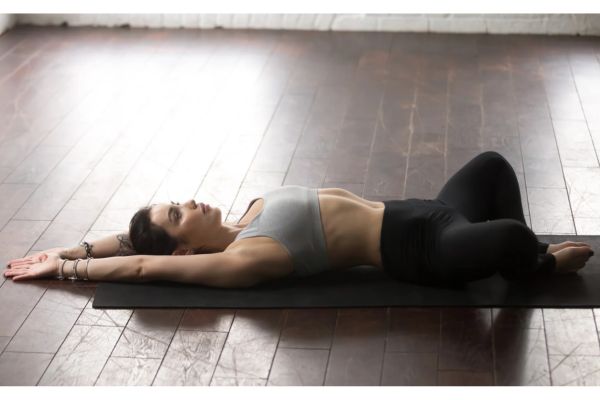
Set up a comfortable and quiet space for your Yoga Nidra practice. Dim the lights, use calming scents (like lavender or sandalwood), and ensure the room is free from distractions. Create a peaceful ambiance that invites you to unwind and let go.
2. Use Guided Sessions
If you are new to Yoga Nidra, consider using guided audio sessions. These sessions, led by experienced instructors, help you stay focused and ensure that you are following the practice correctly. There are plenty of free resources available online, as well as apps designed specifically for Yoga Nidra.
3. Practice Regularly
For best results, practice Yoga Nidra regularly, ideally once a day or at least a few times a week. Doing so will help reset your sleep cycles and enable you to experience the cumulative benefits of deep relaxation and improved mental health.
4. Incorporate Breathwork and Visualization
As you progress in your Yoga Nidra practice, experiment with breathwork techniques and visualization. Deep breathing techniques, like diaphragmatic breathing, can enhance relaxation. Visualization exercises, where you imagine peaceful or healing imagery, can further calm the mind and soothe any tension.
Conclusion: Yoga Nidra as a Path to Restorative Sleep
Incorporating Yoga Nidra into your routine offers a unique and powerful way to address sleep disorders and achieve deep relaxation. Unlike traditional sleep aids or medication, which can have temporary effects or lead to dependency, Yoga Nidra offers a sustainable and holistic solution to improving both the quantity and quality of your sleep.
By restoring balance to the nervous system, alleviating stress, and providing emotional healing, Yoga Nidra doesn’t just help you sleep better – it fosters overall well-being. Its gentle yet profound benefits provide a natural alternative to modern sleep solutions, helping individuals find true rest and rejuvenation, night after night.
So, the next time you find yourself lying awake, restless, and frustrated, give Yoga Nidra a try. It might just be the key to unlocking the deep, restorative sleep you’ve been longing for.