
In the glowing grid of Instagram, yoga often translates to perfectly arched backs, sunlit studios, and trendily attired practitioners—an aesthetic ideal. But if you’re stepping beyond that curated surface, enrolling in a yoga teachers training course, you begin to glimpse a deeper pulse: something real, grounded, and unapologetically messy. This post explores the tension between social media yoga—snatched snapshots and sleek sequences—and real yoga, rooted in breath, embodied understanding, and self-inquiry. Let’s peel back the lens on real yoga vs. social media yoga, delve into yoga authenticity, and unpack the hard‑won truths of yoga teacher training that Instagram won’t show you.

1. The Performative Veil of Instagram Yoga
Instagram yoga often feels like a polished act, geared toward catching the eye rather than nurturing the spirit.
- A “yoga body” as spectacle. Studies consistently show that Instagram posts featuring yoga overwhelmingly showcase young, thin, athletic bodies—over 80% appear to conform to this ideal, with many poses advanced and potentially risky. It’s not just about practice—it’s about performance.
- Surface-level messaging and fitness optics. Hashtags like #fitness, #gym, and #workout dominate #yoga posts, signaling how the platform reduces yoga to its physical payoff rather than its spiritual roots.
- Curated illusion vs. lived experience. As one blogger critiques: “Instagram yoga is much more often the product of a careful photo shoot than an enriching morning on the mat.” No filter or angle can show what yoga feels like beneath the surface.
Simply put, Instagram yoga sells a vision—flat, polished, extra-dry—but rarely invites you into the breath, the tremors, the silent unfolding.
2. Yoga Teachers Traininig: Peeling Back the Layers to Authentic Yoga
Enter Yoga Teacher Training (YTT). This is where the outer façade meets inner depth—and the real work begins.
- Reconnection to tradition and authenticity. Authentic training programs—like those based on Himalayan or Gurukul models—push past yoga as fitness, guiding trainees into philosophies rooted in Vedic scriptures, Ayurveda, and lived wisdom.
- Ethics, embodiment, and non‑performance. Unlike Instagram’s spotlight-seeking, YTT emphasizes embodied teaching, ethical guidelines, consent, and relational awareness—often codified in curricula like the Yoga Alliance’s Elevated Standards.
- Beyond the body: breath, philosophy, and inner listening. YTT courses invite you to explore the eight limbs of yoga—not just asana, but pranayama, dhyana, and self-reflection, the very layers glossed over online.
- Post-lineage and true personal liberation. Contemporary models of yoga, often called post-lineage yoga, resist commodification and hierarchy, inviting personal reclamation and authentic connection away from influencers and “brand gurus”.
This is where yoga stops being for the camera—and becomes an inward journey, challenging ego, and cultivating depth.

3. What Instagram Won’t Show You Until You’ve Been Through YTT
If you’re only scrolling, you’re missing the real story. Yoga teachers training unveils truths that remain hidden in square-cropped frames:
- Vulnerability as power, not flaw
On Instagram, you see flawless flow—and rarely upside-down flops. In training, there’s a reframing: vulnerability, resistance, emotional release, and awkwardness are the soil of growth. Instagram hides the falls; Yoga teachers training honors them. - Subtle presence vs. flashy performance
A Reddit thread captures this tension: one teacher recalls, “I was dazzled by the ritual aspects, until it started feeling icky and inauthentic.” Theatrical ambience can seduce—but Yoga teachers training invites you to teach from quiet presence. - Cultural roots, not appropriation
Yoga teachers training often roots practice in its South Asian origins, fostering respect for tradition and nuance yoga. Instagram, in contrast, can commodify symbols—bindi, mandala—as décor, detached from context. - Ethical complexity, not brand gloss
Stories of toxic teacher-student dynamics, broken boundaries, or unchecked communities surface during training or later reflection—narratives that the polished world of influencer yoga obscures. - The ego behind the lens
One trainee confided: “Most instructors have yoga Instagrams … sultry music … thousands of followers.” When comparing, the illusion cracks—but Yoga teachers training calls you to ask: “Why am I really teaching?”. - Community over vanity
Yoga teachers training builds embodied relationships: bodies showing up early, sharing breath, laughter, exhaustion. The community grows through shared struggles—not likes or comments. - Lifelong learning, not curated caps
In training, you’re invited to become a student again—studying ancient texts, philosophy, anatomy, ethics. This contrasts sharply with the “post your pose, get applause” rhythm of Instagram.
4. The Sweet Spot: Using Social Media Without Losing Your Soul
Not all Instagram is counterfeit—used wisely, it can inspire connection and authenticity.
- Share imperfectly, but truthfully. Some teachers post bloopers alongside highlight reels, reminding us: practice isn’t picture-perfect.
- Use visuals to educate, not inflate. Thoughtful posts can communicate prana, philosophy, or trauma-informed teaching—when anchored in depth, not empty aesthetics.
- Cultivate accountability and diverse representation. Jessamyn Stanley and others bring body diversity to feeds, disrupting harmfully narrow norms of yoga bodies.
- Honor ongoing learning. Trainees and graduates can use social media to share insights, ask questions, or invite dialogue—not sell themselves or a lifestyle.
When social media becomes a mirror, not a mask, it reclaims integrity.
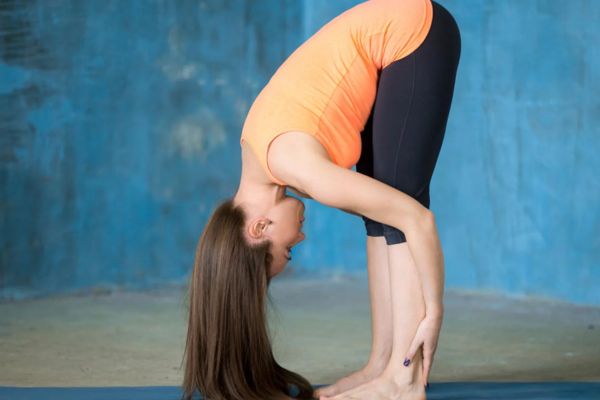
Summary
In exploring real yoga vs. social media yoga, we see a stark contrast: one is performative, filtered, and often body-centric; the other, birthed in yoga teacher training, is rooted in breath, ethics, embodiment, and lifelong learning. Instagram yoga often perpetuates narrow ideals and glosses over vulnerability. By contrast, authentic yoga—as discovered in YTT—invites depth, cultural respect, internal listening, and community healing. The journey from performance to presence transforms not just how we teach, but who we become. For anyone seeking yoga authenticity, looking beyond Instagram to the truths taught in teacher training is essential. Dive into real, embodied practice—and let the façade fall away.
Instagram may show you the shape of yoga—but YTT teaches you what the shape feels like. Once you step into training, you discover that yoga is a wound, a whisper, a wild unfolding—not just angles and aesthetics. It invites you to teach with integrity, live with humility, and practice with devotion. The pose is not the point; the presence is. And that’s the secret Instagram doesn’t tell you—until you’re ready to come in, off the mat, and into the real.