
When someone is recovering from an injury, illness, surgery, chronic pain, or a period of physical exhaustion, the natural instinct is to focus on the body. We think about exercises, stretches, physiotherapy, medication, rest, and gradually returning to normal activity. But recovery is not purely a mechanical process. The way we breathe, respond to stress, sleep, concentrate, and experience physical discomfort can also influence how we move through recovery.
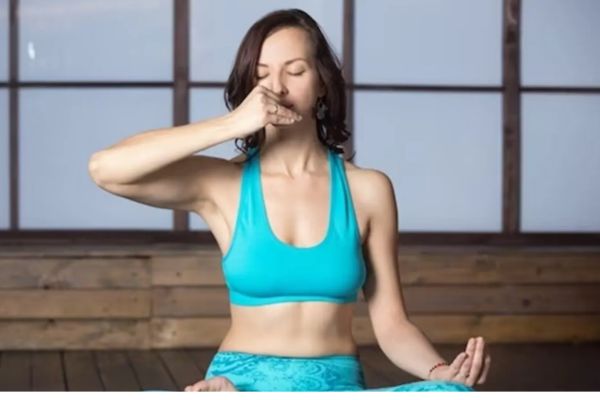
This is where the connection between pranayama & recovery becomes interesting. Pranayama is often described simply as “breathing exercises,” but traditional pranayama involves much more than taking a few deep breaths. Different techniques can influence breathing patterns, attention, arousal, and the experience of relaxation. That makes pranayama potentially useful as a supportive practice during recovery—but it does not make pranayama a replacement for medical treatment.
Understanding this distinction is essential. A breathing practice may help someone relax after a stressful day, improve awareness of their breathing, or create a calmer transition into rest. That is valuable. But saying that a particular pranayama technique can “treat” an injury, disease, or medical condition is a much stronger claim and requires a very different level of evidence.
So, can pranayama support recovery? Yes, in appropriate circumstances, it can be a useful complementary practice. But supporting recovery and treating a medical condition are not the same thing.
What Actually Happens During Recovery?
Before discussing pranayama, it helps to understand what we mean by recovery. Recovery is not simply the moment when pain disappears. Depending on the situation, it may involve tissue healing, restoration of strength, improvement in mobility, better sleep, rebuilding endurance, reducing fear of movement, managing fatigue, and returning to everyday activities.
There is also a psychological component. Someone recovering from an injury may become nervous about moving again. Someone living with chronic pain may constantly monitor bodily sensations. A person recovering from illness may feel physically exhausted and mentally frustrated because their previous level of activity suddenly seems far away.
This means recovery often requires more than one type of intervention. Medical treatment may address the underlying condition. Physiotherapy may restore movement and strength. Appropriate exercise may rebuild physical capacity. Sleep and nutrition support the body’s broader recovery needs. Practices that promote relaxation and body awareness can potentially complement these approaches.
This is where pranayama can have a role—not as the main treatment, but as one possible tool within a larger recovery strategy.
Pranayama Is More Than “Taking Deep Breaths”
The word pranayama is commonly translated or explained in relation to the regulation or extension of breath. In modern yoga classes, however, the term is frequently used very broadly to describe almost any structured breathing exercise.
That distinction matters because breathing practices are not interchangeable.
Some practices emphasise slow breathing. Some involve deliberate pauses. Some use alternate nostril breathing. Others involve more vigorous or stimulating patterns. The physiological and psychological experience of each technique can therefore be different.
Even something as simple as changing the pace of breathing can alter how a person experiences a practice. A slow, comfortable breathing pattern may encourage a calmer state, while rapid or forceful breathing may feel activating for some people.
Therefore, asking whether “pranayama is good for recovery” is a little like asking whether “exercise is good for recovery.” The answer depends on which practice, for whom, at what stage, and for what purpose.
The technique matters.
The person’s condition matters.
The intensity matters.
And the intention matters.
How Breathing and the Nervous System Are Connected
Breathing is unusual because it is both automatic and voluntarily controllable. You do not have to consciously remember to breathe, yet you can intentionally change the pace, depth, rhythm, and pattern of your breathing.
This creates an interesting connection between conscious behaviour and the autonomic nervous system.
When people are stressed, anxious, frightened, or physically uncomfortable, their breathing may become faster, shallower, irregular, or accompanied by muscular tension. Some people unconsciously hold their breath during difficult movements. Others tighten their shoulders and upper chest while trying to take bigger breaths.
A comfortable, slower breathing pattern can sometimes provide a useful signal of reduced arousal and help a person become more aware of tension.
This does not mean that pranayama “switches off” stress instantly. The nervous system is considerably more complicated than an on/off button. However, breathing practices can provide a practical way of influencing attention, breathing behaviour, and relaxation.
For someone going through recovery, that can be meaningful because physical healing does not happen in isolation from daily stress, sleep, emotions, and behaviour.
Relaxation Is Not the Same as Treatment
This is perhaps the most important distinction in the entire discussion of pranayama & recovery.
Suppose someone recovering from an injury spends ten minutes practising slow, comfortable breathing and feels more relaxed afterward. That is a real and potentially useful outcome.
But it would be incorrect to automatically conclude that the breathing exercise has treated the injury.
Relaxation may support recovery without directly treating the underlying cause of the problem.
For example, better relaxation may make it easier to rest. Reduced mental tension may make a person more comfortable during gentle movement. Greater awareness of breathing may help someone stop holding their breath while exercising. A calmer state before bedtime may support a healthier sleep routine.
These are meaningful benefits, but they are different from repairing a ligament, treating an infection, healing a fracture, or reversing structural damage.
This distinction protects people from unrealistic health claims and also gives pranayama its appropriate value. A practice does not need to cure a disease to be useful.
Where Pranayama May Support the Recovery Process
One of the most practical applications of pranayama during recovery is downregulation and relaxation.
Imagine someone who has spent the entire day worrying about their symptoms. Their shoulders are tense, their breathing is irregular, and they are mentally exhausted. Ten minutes of comfortable, guided breathing may provide a transition from constant alertness toward a quieter state.
That transition can be particularly useful before sleep, meditation, gentle movement, or relaxation practices.
Pranayama may also help develop breath awareness. During physical rehabilitation, people sometimes unintentionally hold their breath when an exercise becomes challenging. Learning to notice this pattern can be valuable.
A teacher might encourage the person to coordinate a gentle movement with natural breathing rather than bracing unnecessarily. Over time, this can help the student become more aware of how effort, tension, and breathing interact.
For some people, the value may be surprisingly simple: pranayama creates a few minutes in which they are paying attention to something other than their symptoms.
That alone should not be dismissed.
Pranayama and the Experience of Pain
Pain is complex. It is influenced not only by physical input but also by attention, emotions, expectations, previous experiences, stress, and the nervous system’s interpretation of signals.
This is one reason why two people with similar physical conditions can experience very different levels of discomfort.
Breathing practices may potentially influence the experience of pain by shifting attention, encouraging relaxation, and reducing some aspects of stress or muscular tension. But this should not be confused with removing the underlying source of pain.
For someone living with chronic pain, this distinction is especially important.
Pranayama should not be presented as:
“Do this breathing exercise and your pain will disappear.”
A more responsible approach is:
“This breathing practice may help you develop a calmer response to discomfort and become more aware of your breathing and tension.”
That is less dramatic—but considerably more honest.
And in therapeutic wellness, honesty matters.
Why Slow Breathing Is Often Used During Recovery
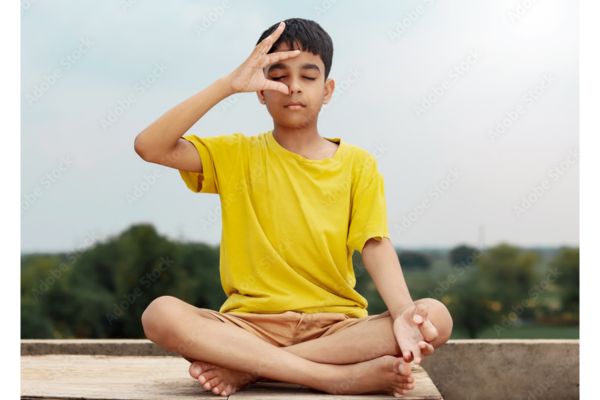
Slow breathing practices are frequently used in relaxation-oriented yoga because they are relatively easy to integrate into a quiet practice. The emphasis is generally on maintaining a comfortable, unforced rhythm rather than trying to take the biggest breath possible.
This is important because deeper does not automatically mean better.
Many people assume that a therapeutic breathing exercise must involve filling the lungs dramatically. But repeatedly taking excessively large breaths can actually make some people feel uncomfortable or light-headed.
A more useful goal is often to develop breathing that feels smooth, quiet, and appropriate to the individual’s capacity.
For someone recovering from physical illness or injury, the breathing practice should therefore feel supportive rather than exhausting.
If a technique leaves the person strained, dizzy, panicked, or uncomfortable, it is no longer serving the intended purpose.
What About Breath Retention?
Traditional pranayama includes practices involving intentional breath retention, commonly referred to as kumbhaka. These techniques can be an important part of traditional practice, but they should not automatically be included in every recovery-focused breathing session.
Breath retention changes the breathing pattern and can create a different physiological experience from relaxed continuous breathing. Whether it is appropriate depends on the individual, their health status, experience, and the technique being used.
Someone recovering from a significant medical condition should not assume that an advanced pranayama practice is beneficial simply because it is considered traditional or powerful.
This is one reason competent instruction matters.
A therapeutic approach often begins with what the person can comfortably manage rather than with the most advanced technique available.
There is no prize for holding your breath the longest.
The goal is not to impress the stopwatch. The goal is to support the person.
Stimulating Pranayama May Not Be Appropriate for Everyone
Not every pranayama practice is designed primarily for relaxation.
Some traditional techniques involve faster, stronger, or more vigorous breathing patterns and may feel stimulating. These can have a place within appropriate yoga practice, but that does not mean they are automatically suitable during every stage of recovery.
Someone experiencing fatigue, dizziness, anxiety, acute illness, uncontrolled blood pressure, or other health concerns may require a much more cautious approach.
This is an important principle of therapeutic yoga: a technique being traditional does not automatically make it appropriate for every person.
The teacher should consider the student’s condition, current energy, symptoms, experience, and medical advice before introducing demanding breathing practices.
Gentle is not synonymous with weak.
Sometimes the most sophisticated practice is the one that requires the least force.
Pranayama Can Also Teach Someone to Notice Their Body
Recovery often involves learning to interpret signals from the body.
Is this normal effort or excessive strain?
Is this tension coming from fear?
Am I holding my breath?
Am I rushing?
Do I need to pause?
Pranayama can strengthen this observational skill because breathing provides constant feedback.
A person may notice that their breathing becomes shallow when they are anxious. They may notice breath-holding during difficult movements. They may discover that they can deliberately slow their breathing when they feel tense.
This does not turn pranayama into a medical treatment.
It makes it a self-awareness practice.
And greater self-awareness can be useful when returning to movement after injury or illness because the person becomes better at recognising how their body responds to effort.
Pranayama During Different Stages of Recovery
The appropriate role of pranayama may change as recovery progresses.
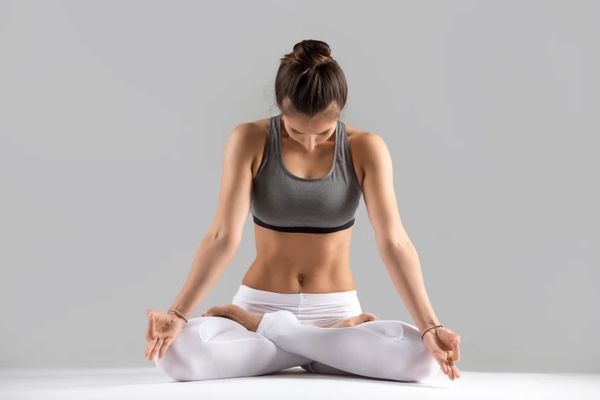
During an early phase, the emphasis may simply be on comfortable breathing and relaxation. If someone is physically exhausted or medically unwell, an elaborate practice may be unnecessary. Sitting comfortably and breathing without unnecessary strain may be enough.
As the person becomes more stable, breathing practices can potentially be integrated with gentle movement. Coordinating breath with simple mobility exercises can help develop awareness of rhythm and effort.
Later, when the person has regained greater physical capacity, they may be able to explore a wider range of yoga practices under appropriate guidance.
This progression reflects an important principle: recovery is not a fixed stage, so the breathing practice should not be fixed either.
The practice should evolve with the person.
How Pranayama Can Complement Physiotherapy and Rehabilitation
There does not need to be a competition between yoga and physiotherapy.
A person recovering from a musculoskeletal injury may work with a physiotherapist to restore strength, mobility, balance, and function. They may then use appropriate yoga practices to develop body awareness, breathing skills, relaxation, and confidence around movement.
These approaches can have different purposes.
For example, a physiotherapy programme may prescribe a specific strengthening exercise because the person needs to restore capacity in a particular muscle group. A yoga session may include breathing and mindful movement to help the person become more aware of how they are using their body.
One does not have to replace the other.
In fact, the most responsible therapeutic approach often involves collaboration rather than competition.
When Pranayama Should Not Be Used as a Substitute for Treatment
There are situations in which seeking appropriate medical care should take priority over attempting to manage symptoms through yoga or breathing practices.
New or unexplained severe symptoms, significant breathing difficulty, chest pain, fainting, neurological symptoms, serious injury, or symptoms following surgery should not simply be managed with pranayama.
Likewise, someone with a diagnosed medical condition should follow the recommendations of their healthcare professional regarding treatment and activity.
Pranayama can be a supportive practice, but it should not become a reason to delay necessary medical attention.
A responsible yoga teacher should be comfortable acknowledging this boundary.
Knowing when to teach is important.
Knowing when not to teach is equally important.
The Teacher’s Role in Pranayama and Recovery
Teaching pranayama to someone in recovery requires more than knowing the names of breathing techniques. The teacher needs to understand how to communicate clearly, recognise signs of discomfort, and adapt the practice.
The teacher should also avoid making exaggerated promises.
Instead of saying, “This pranayama will heal your condition,” a responsible teacher can explain what the practice is intended to support—perhaps relaxation, breath awareness, concentration, or preparation for meditation.
The student’s response should guide progression.
If comfortable breathing is possible, continue.
If the person becomes dizzy or distressed, stop and reassess.
If a technique creates excessive strain, simplify it.
This is particularly important because breathing is deeply personal. A technique that feels calming to one student may feel uncomfortable or activating to another.
There is no universal breathing pattern that every recovering person needs.
The Real Value of Pranayama in Recovery
Perhaps the most useful way to think about pranayama & recovery is to stop asking whether pranayama can “cure” something and instead ask what role it can reasonably play.
It can provide a structured pause during a stressful day. It can encourage awareness of breathing patterns. It can help some people practise relaxation. It can become part of a bedtime routine. It can help connect breath with gentle movement. It can give someone a practical tool for managing moments of tension.
None of these claims require pranayama to become a miracle therapy.
In fact, its value may become clearer when we stop expecting it to be one.
Recovery is usually made up of many small pieces. Medical care may address the disease or injury. Rehabilitation may rebuild physical capacity. Nutrition and sleep support the body’s needs. Psychological support may help with fear or emotional distress. Mindful practices may help a person reconnect with their body.
Pranayama can occupy one of those spaces.
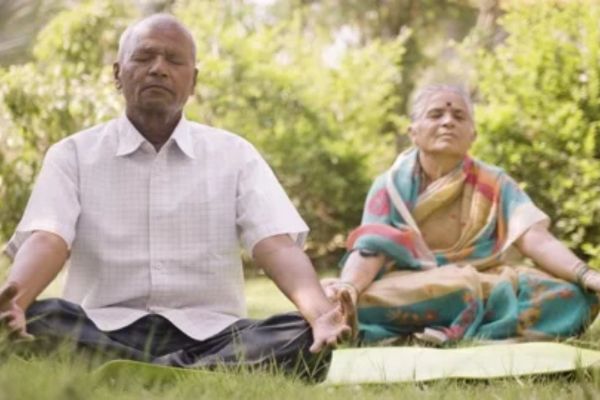
Pranayama & Recovery: Support, Not Substitution
The relationship between pranayama & recovery is best understood through balance. Breathing practices can be valuable, but their value becomes distorted when relaxation is presented as treatment or when traditional techniques are marketed as cures for complex medical conditions.
A person recovering from injury or illness does not necessarily need a more powerful practice. They may need a more appropriate one.
Sometimes that means five minutes of comfortable breathing rather than an advanced pranayama sequence. Sometimes it means learning not to hold the breath during movement. Sometimes it means using slow breathing before sleep. And sometimes it means putting yoga aside temporarily and following medical advice.
The most therapeutic approach is not always the most impressive one.
Ultimately, pranayama can support recovery by helping people develop a more attentive relationship with their breath, body, and internal state. When integrated thoughtfully with appropriate medical and rehabilitation care, it can become one useful tool in a much larger recovery journey.
The purpose of pranayama is not to replace treatment. It is to support the person receiving it.
And that distinction—between supporting recovery and claiming to treat a condition—is what allows pranayama to be both useful and responsibly taught.
Follow Us on Instagram