
A yoga teacher stands at the front of the room and moves into Trikonasana. The students watch carefully as the teacher positions the feet, extends the arms, turns the chest and reaches toward the floor. Everyone attempts to copy the shape they see, following the teacher’s movements as closely as possible. From the outside, it looks like a successful yoga class because the students are reproducing the demonstrated posture.
The teacher has demonstrated the asana perfectly. But has the teacher actually taught yoga? Not necessarily. Demonstrating an asana shows students what a posture can look like, while teaching yoga requires something much deeper: helping students understand what they are doing, why they are doing it, how to adapt it to their bodies and how to practise it safely and meaningfully.
This distinction is easy to overlook because demonstration is such an important part of a yoga class. A person may be able to perform hundreds of yoga postures beautifully and still struggle to teach them effectively. On the other hand, an excellent yoga teacher may not always demonstrate the deepest or most visually impressive version of an asana, because their priority is not performance but the student’s learning.
The difference lies in what happens between the demonstration and the student’s learning. A demonstration provides a visual reference, but effective teaching transforms that reference into understanding. The student should eventually be able to practise with awareness rather than simply attempting to reproduce the teacher’s body.

What Does Demonstrating an Asana Actually Mean?
Demonstrating an asana is primarily visual. The teacher performs a posture so students can observe its general shape, movement and direction. For someone who is learning a new asana for the first time, seeing the movement can make verbal instructions much easier to understand and remember.
For example, while demonstrating Virabhadrasana II, a teacher may show the position of the feet, the direction of the knees, the extension of the arms, the orientation of the pelvis, the position of the torso and the final shape of the posture. This can be particularly useful for beginners who may not yet understand how individual instructions come together to create one complete posture.
However, demonstration has a limitation: students can copy a shape without understanding the movement. A student may successfully reproduce the teacher’s position while unknowingly holding their breath, locking a joint, shifting their weight incorrectly or creating unnecessary muscular tension.
And copying is not the same as learning. This is where teaching yoga begins. The teacher must move beyond showing the posture and help students understand the principles behind the movement.
Teaching Yoga Is More Than Showing the “Perfect” Pose
Imagine a teacher demonstrating Paschimottanasana. The teacher folds deeply and places their forehead near their knees, creating what appears to be an impressive expression of the pose. A beginner watches carefully and immediately thinks, “I need to get my forehead to my knees.” The visual shape becomes the student’s definition of success.
The student pulls themselves forward, rounds aggressively through the spine and possibly holds their breath because they believe they are not performing the pose correctly unless they reach the same depth. The teacher has demonstrated the posture successfully, but if the student leaves the class believing that depth equals success, something important has been missed.
Teaching yoga means explaining the intention behind the movement. The teacher might explain how the pelvis, hips and spine participate in the forward fold, why the student’s available range may be different, why bending the knees can be appropriate and why maintaining controlled breathing matters.
Suddenly, the student isn’t simply copying a shape. They are learning how to approach the posture according to their own body and ability. That is the difference between demonstrating an asana and teaching yoga.
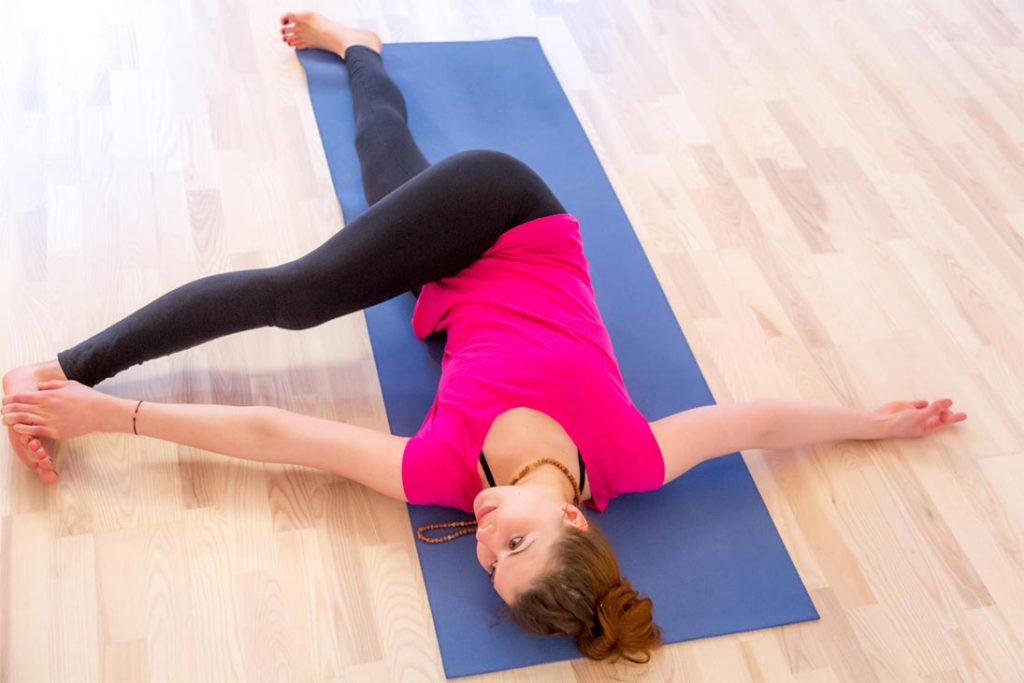
A Demonstration Shows One Body. Teaching Yoga Teaches Many Bodies.
This may be one of the most important distinctions for an aspiring yoga teacher to understand. The teacher demonstrates using their own body, but the class contains many different bodies. Every student brings a different combination of anatomy, mobility, strength, coordination, experience and movement habits to the practice.
One student may have excellent hip mobility but limited shoulder mobility. Another may have strong legs but poor balance. One person may be naturally flexible, while another may have a very limited range of motion. Even two students with similar flexibility can have different proportions, movement patterns and physical capabilities.
Therefore, when teaching yoga, the teacher cannot simply assume, “If this alignment works for me, it should work for everyone.” The teacher must observe, adapt and communicate according to the individual needs of the people in front of them.
A demonstration provides a reference point. Teaching provides individual understanding. This is why an effective yoga teacher must learn to see beyond the shape of an asana and understand the person performing it.
Why Copying the Teacher Can Sometimes Create Problems
Students naturally trust what they see. If a teacher moves deeply into an asana, students may assume that deeper is better. If the teacher doesn’t use props, students may assume props are unnecessary. If the teacher holds a posture effortlessly, students may believe they should be able to do the same.
This is where demonstration without explanation can become misleading. Students may unintentionally turn the teacher’s personal expression of a pose into a rigid standard that they feel obligated to reproduce, even when their own body requires a different approach.
For example, consider a forward fold. A teacher with excellent hamstring mobility may place their hands comfortably on the floor, while a beginner may not be able to reach the floor without compromising their movement. If the student tries to reproduce the teacher’s exact shape, they may focus more on reaching the floor than understanding the purpose of the pose.
A teacher who is teaching yoga instead of simply demonstrating may offer a block, modify the knee position or reduce the range of movement. The objective becomes “Find an appropriate version of the posture for your body,” rather than “Make your body look like mine.”
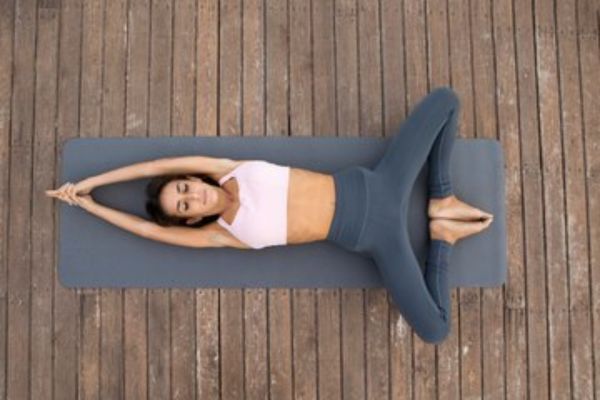
Teaching Yoga Requires Explaining the “Why”
One of the biggest differences between demonstration and instruction is the ability to explain why. A student can follow an instruction temporarily, but understanding the reason behind an instruction allows them to apply that knowledge across different postures and situations.
Instead of simply saying, “Keep your knee here,” a teacher can explain, “Keep the knee tracking in the same general direction as the foot so that you can maintain control and stability in the position.” The instruction becomes more meaningful because the student understands the purpose behind it.
Similarly, instead of saying, “Lift your chest,” the teacher might explain, “Lengthen through the spine without creating unnecessary tension in the lower back.” Instead of saying, “Go deeper,” the teacher might say, “Move only as far as you can maintain steady breathing and control.”
These explanations transform instructions into understanding. When students understand why, they become less dependent on blindly following a teacher. And that is one of the real goals of teaching yoga: helping students develop knowledge that they can eventually apply independently.
A Good Yoga Teacher Teaches Students How to Observe Their Own Bodies
A teacher cannot be beside a student every minute of the day. Eventually, the student has to practise independently, whether that means attending a personal practice session at home or making appropriate decisions during a group class. This means good teaching yoga should develop self-awareness rather than permanent dependence on external correction.
Students should gradually learn to ask themselves whether they can breathe comfortably, whether they are creating unnecessary tension, whether they can control the movement and whether the sensation they are experiencing is appropriate. They should also become comfortable asking whether they are forcing their range of motion or whether they would benefit from a modification or prop.
These questions are more valuable than memorizing a list of rigid alignment rules. A teacher’s role is not simply to tell students where every body part should go at every moment. It is to help students develop the ability to observe, understand and regulate their own practice.
When this happens, the student begins to become their own observer. They are no longer practising only because the teacher is watching them. They are learning how to make informed choices within their practice.
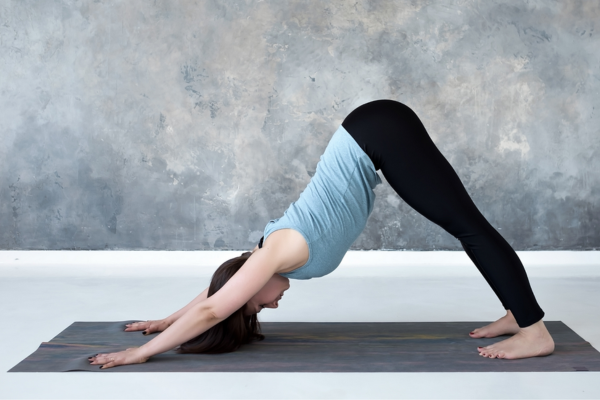
Demonstration Is Visual. Teaching Uses Multiple Forms of Communication.
An effective yoga teacher does not rely on demonstration alone. Different students understand movement in different ways, so teaching requires a combination of communication methods. Demonstration can be useful, but it is only one tool among many.
Verbal instruction helps students understand what they should do without constantly looking at the teacher. Clear and precise cues can allow students to remain focused on their own physical experience rather than repeatedly turning their heads to watch the instructor.
Visual demonstration provides a physical reference, especially for unfamiliar movements. Physical or tactile cues, where appropriate and with suitable consent and training, may help a student understand movement. Props such as blocks, straps, bolsters, walls and chairs can modify a posture or provide useful feedback.
And sometimes, one of the best teaching tools is a question. Instead of immediately correcting a student, the teacher might ask, “What do you notice when you bend your front knee slightly?” This encourages the student to experience rather than simply imitate.
Good teaching yoga combines these tools according to the needs of the student. The teacher learns to choose the method that helps the student understand rather than simply the method that is easiest for the teacher.
Why the Best Demonstration May Sometimes Be a Modification
This may sound surprising, but an advanced yoga teacher does not always need to demonstrate the most advanced version of an asana. In fact, demonstrating an extremely advanced variation to a beginner group may sometimes communicate the wrong message about what progress in yoga actually means.
Suppose a class contains mostly beginners. The teacher could demonstrate the deepest possible version of a posture, or the teacher could demonstrate the version that is most appropriate for the students. The second approach may actually represent better teaching because it keeps the student’s ability and learning objective at the centre of the practice.
For example, demonstrating a supported variation of a posture can communicate an important message: Modification is part of yoga—not a failure to perform yoga. It can make students more comfortable using props and adjusting poses when necessary.
It also prevents students from equating physical difficulty with spiritual or technical progress. A posture does not automatically become more meaningful simply because it becomes more physically demanding.
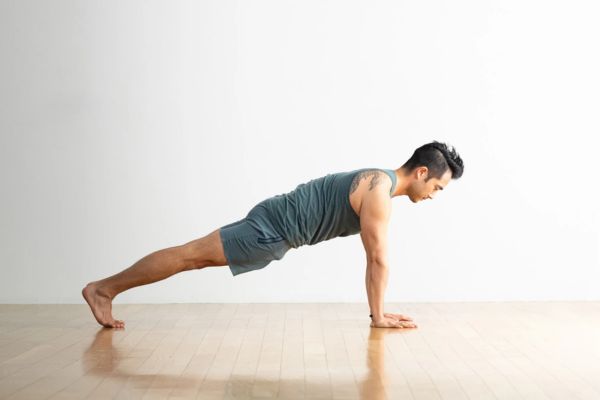
Teaching Yoga Requires Sequencing, Not Just Individual Poses
Another major difference is that a demonstration usually focuses on one asana. Teaching yoga requires understanding how poses relate to one another and how the entire practice develops from beginning to end.
Why is this posture being introduced now? What movement prepared the body for it? What should follow it? How intense should the practice become? When should the intensity reduce? How can the class move toward its intended objective?
A teacher who knows individual poses but does not understand sequencing may create a collection of postures rather than a coherent practice. Students may perform technically correct asanas but have little understanding of why they are performing them in that particular order.
A well-designed yoga class has an underlying logic. The asanas are not simply selected because they look impressive. They serve a purpose within the overall experience, and understanding that purpose is an essential part of teaching yoga.
A Teacher Must Know When NOT to Demonstrate
There is another subtle skill involved in teaching yoga: knowing when demonstration is unnecessary. If the teacher constantly performs every movement alongside the students, students may spend the entire class watching rather than developing internal awareness.
Sometimes the teacher needs to step away from demonstrating and observe. This allows them to notice who is struggling, who is compensating, who needs a modification, who is moving too quickly, who needs more challenge and who may have misunderstood the instruction.
The teacher’s eyes become as important as the teacher’s body. Teaching yoga requires observation, and observation is difficult if the teacher is constantly focused on performing the entire class themselves.
A teacher who knows when to demonstrate and when to observe can provide much more individualized guidance. The class becomes less about watching the teacher and more about helping students understand their own practice.
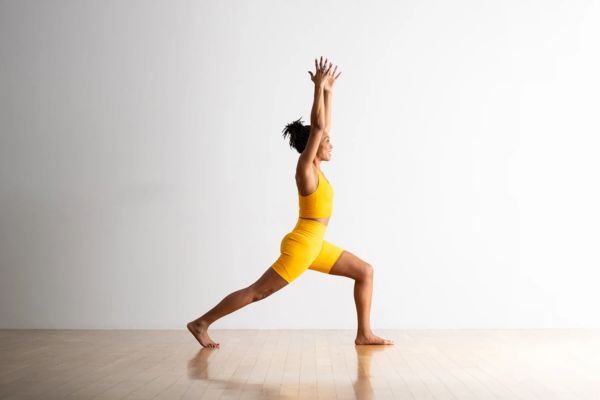
The Real Test of a Yoga Teacher Isn’t Their Flexibility
A common misconception is that a great yoga teacher must be extremely flexible, perform advanced asanas and demonstrate impressive physical abilities. These qualities may be useful, but they do not automatically make someone a good teacher.
A teacher could perform Hanumanasana beautifully and still be unable to explain how different students might approach the posture. Another teacher may not perform the deepest version of the pose but may understand anatomy, movement, sequencing, communication and modifications exceptionally well.
Which teacher provides a better learning experience? The answer becomes clear when we understand the purpose of teaching.
Teaching yoga is not a performance. The teacher’s job is not to impress the class. It is to help the class learn. A teacher’s physical ability may attract attention, but their ability to communicate, observe and adapt is what creates meaningful learning.
From “Look at Me” to “Understand Yourself”
Perhaps the simplest way to understand the difference is this: Demonstration says, “Look at what this pose looks like.” Teaching yoga says, “Understand what this pose is doing, why we are practising it and how you can practise it appropriately.”
That shift—from imitation to understanding—is fundamental. An excellent teacher doesn’t create students who constantly ask, “Am I doing it exactly like you?” Instead, they gradually create students who can ask, “Is this appropriate for my body, and do I understand what I am doing?”
That is a much deeper form of learning. It encourages students to become active participants in their practice rather than passive followers of instructions.
Ultimately, the teacher should help the student develop enough awareness to make increasingly informed decisions. The student may still need guidance, but they begin to understand the principles behind their practice rather than simply memorizing the teacher’s movements.
What Makes Someone Truly Capable of Teaching Yoga?
Becoming a yoga teacher involves far more than memorizing Sanskrit names or learning how to demonstrate asanas. A capable teacher needs to develop a broad set of skills that allows them to understand both yoga and the people they are teaching.
Anatomy involves understanding how the body moves and why individual differences matter. Alignment requires knowing useful alignment principles while avoiding rigid one-size-fits-all rules. Sequencing involves creating practices where postures have a meaningful relationship to one another.
Observation means recognizing differences in students and identifying when modifications may be needed. Communication means giving clear, concise and understandable instructions. Adaptation involves knowing how to modify practices for different abilities and circumstances.
Finally, teaching presence means creating an environment where students can learn rather than feel pressured to perform. This is why teaching yoga is a discipline in itself.
Knowing yoga and teaching yoga are related—but they are not identical skills. Someone can know many asanas and still need to develop the skills required to teach those asanas effectively.
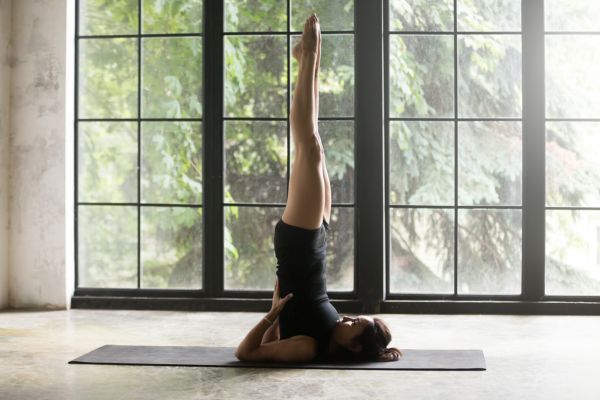
The Goal Isn’t to Create Better Imitators
A student who can perfectly copy a teacher’s posture may look impressive. But a student who understands their own body, recognizes when to modify a pose, knows how to regulate effort and can practise with awareness has learned something far more valuable.
That is the difference between demonstrating an asana and actually teaching yoga. A demonstration can show the destination, but a teacher explains the route and helps students understand how they can travel that route safely and effectively.
And, perhaps most importantly, a great teacher helps each student understand that their route may not look exactly like someone else’s. Every student brings a different body, history, level of experience and capacity into the practice.
Because yoga is not a competition to reproduce the teacher’s body. It is a practice of developing greater awareness, control, understanding and connection with your own.
The best yoga teacher is not the one who performs the most impressive asana. It is the one who can help another person understand how to practise it—and why it matters.