
Exploring the connection between mobility, strength, self-reliance, and quality of life in later years
Growing older is inevitable. But losing the freedom to do things on your own is not something we should automatically accept as a part of ageing.
There may come a time when climbing a few stairs feels exhausting, getting up from a chair requires assistance, or reaching for something on a shelf becomes a task you would rather avoid. Slowly, everyday activities that once required no thought may begin to depend on someone else’s availability. For many senior citizens, this change can be more emotionally challenging than the physical discomfort itself.
The desire to remain independent—to walk confidently, prepare a meal, visit a friend, or simply get out of bed without assistance—is deeply connected to dignity and quality of life. This is where yoga can become more than a physical exercise routine. Yoga for senior citizens is not about achieving difficult postures or becoming exceptionally flexible. It is about preserving the ability to participate in your own life, one movement at a time.
From improving body awareness to supporting balance, strength, and mobility, an appropriately designed yoga practice may help older adults maintain functional abilities and confidence. Yoga cannot prevent every age-related change, but it can become one part of a broader strategy to preserve everyday function. Let’s explore how yoga can support independence in later years, what it can realistically do, and why starting gently may be one of the most valuable decisions you make for your future self.

1. Independence Begins With Something as Simple as Movement
Imagine an elderly woman who has spent decades managing her household. She has prepared meals, climbed stairs, carried groceries, visited relatives, and taken care of her family. These activities may have seemed ordinary, but each one required a combination of strength, balance, coordination, and endurance. Now, at the age of 68, she finds it difficult to stand for long periods. Her knees feel uncomfortable, her hips have become stiff, and she avoids going outside because she is afraid of losing her balance.
Her family is always ready to help. They bring her meals, carry her belongings, and accompany her everywhere. Their intentions are loving, yet over time, she may begin to feel that her world is becoming smaller. This is an important aspect of ageing that is often overlooked. The loss of independence is not always sudden; sometimes, it happens gradually through the small activities that a person stops doing because they no longer feel physically capable or confident enough to perform them.
Independence does not mean doing everything without help. It means retaining the ability to do what matters to you, with assistance when necessary. Yoga can support this goal by encouraging regular movement, improving body awareness, and helping individuals work within their own physical abilities. It cannot prevent every age-related change, but it can become one part of a broader strategy to preserve everyday function and maintain a sense of personal control.
2. Your Ability to Live Independently Depends on More Than Flexibility
When people hear the word yoga, they often imagine someone bending forward, touching their toes, or sitting comfortably in Padmasana. However, for senior citizens, the more important questions are often much simpler: Can you stand up from a chair without struggling? Can you walk across a room without feeling unsteady? Can you turn around safely while walking? Can you reach for an object without losing your balance? Can you get dressed, bathe, or prepare a simple meal with as little assistance as possible?
These everyday activities depend on what movement professionals call functional ability. Functional ability involves several physical qualities working together, including strength, balance, mobility, coordination, and endurance. It also involves confidence—the willingness to move without excessive fear or hesitation. A person may have flexible joints but still struggle to climb stairs because their leg muscles lack sufficient strength. Similarly, someone with reasonable strength may experience difficulty walking safely because of poor balance or reduced coordination.
Yoga can contribute to some of these qualities, particularly when practices include appropriately modified postures, controlled transitions, weight-bearing movements, and balance exercises. However, yoga should not be viewed as a complete substitute for every form of exercise. Healthy ageing benefits from a combination of strength training, aerobic activity, balance practice, flexibility work, and adequate recovery. Yoga can be an accessible and meaningful part of that combination, especially when the practice is adapted to the individual’s abilities and daily needs.
3. Stronger Legs Can Mean Greater Freedom
One of the important physical changes associated with ageing is the gradual loss of muscle mass and strength. This process, known as sarcopenia, can affect how easily an older adult performs everyday activities. Standing up from a low chair, climbing stairs, carrying a bag, or maintaining balance while walking may become more difficult when the muscles responsible for these actions lose strength. This is why maintaining leg strength is so important for senior citizens who want to preserve their mobility and independence.

How Can Yoga Support Leg Strength?
Appropriately adapted yoga postures can involve the muscles of the thighs, hips, calves, and core. For example, chair squats involve slowly standing up from a sturdy chair and sitting down again, using the hands for support if needed. This movement can help develop strength and control in the muscles involved in standing and sitting. Similarly, a modified version of Utkatasana, or Chair Pose, can engage the leg muscles while allowing the individual to control the depth and duration of the movement.
Supported versions of Virabhadrasana, or Warrior Pose, can also involve the legs, hips, and trunk while encouraging controlled weight shifting. However, the depth and duration of each posture should be adapted to the individual’s mobility, strength, and medical needs. A senior citizen with knee discomfort may require a different variation from someone who has maintained an active lifestyle for many years.
The goal is not to hold a posture for the longest time. The goal is to make everyday movements feel more manageable. It is also important to recognise that traditional yoga postures alone may not provide sufficient resistance to preserve or build muscle strength. Many older adults can benefit from a structured strength-training programme alongside yoga, particularly when muscle weakness is affecting their daily activities.
4. Balance Is Not Just About Standing on One Leg
Ask an older adult what they fear most about losing mobility, and falling may be one of the first concerns they mention. A fall can result in injuries, reduced confidence, and a period of inactivity. In some cases, the fear of falling may lead a person to avoid activities they previously enjoyed, such as walking outdoors, climbing stairs, or visiting friends. Over time, this avoidance can contribute to further physical deconditioning, making everyday movements even more challenging.
However, balance is far more complex than simply standing on one leg. Your body constantly receives information from your eyes, inner ear, muscles, joints, and the soles of your feet. Your brain processes this information and coordinates the necessary adjustments to help you remain stable while standing, walking, turning, or reaching for something. As people age, changes in vision, muscle strength, sensation, reaction time, or coordination may influence how they maintain balance.
How Can Yoga Support Balance?
A carefully supervised yoga practice may include standing near a sturdy support, shifting weight from one foot to the other, practising supported versions of Vrikshasana, performing controlled heel raises, and moving slowly between seated and standing positions. These activities can help individuals practise stability, body awareness, and movement control. However, balance exercises should be introduced progressively and performed in a safe environment.
Someone with a history of falls, dizziness, significant weakness, or a neurological condition may need an individual assessment from a qualified healthcare or rehabilitation professional before beginning certain exercises. Yoga can support balance practice, but it should never encourage seniors to take unnecessary risks. The objective is to build confidence through safe, manageable movement rather than to test how long someone can stand on one leg.
5. Stiff Joints Should Not Decide the Size of Your World
Have you ever noticed how a person who once loved going for morning walks gradually begins spending more time in a chair? Perhaps their knees hurt, their back feels stiff, their ankles no longer move as freely, or they simply feel uncomfortable getting up and down repeatedly. When movement becomes uncomfortable, many people naturally begin avoiding it. Unfortunately, prolonged inactivity can sometimes make stiffness and physical limitations more difficult to manage, creating a cycle in which less movement leads to even greater difficulty with everyday activities.
This does not mean that every ache can be solved through exercise. Joint pain may arise from arthritis, injuries, inflammatory conditions, or other medical problems that require appropriate treatment. However, gentle, well-adapted movement can be valuable for maintaining mobility and reducing the effects of inactivity. The key is to understand the difference between appropriate movement and exercises that place unnecessary stress on painful or vulnerable joints.
Yoga for Everyday Mobility
A senior-friendly yoga session may include gentle ankle rotations, controlled shoulder movements, comfortable hip mobility exercises, seated spinal movements, and gentle neck movements within a pain-free range. Supported standing postures and slow transitions between different positions may also help individuals practise movements that are relevant to daily life. Maintaining comfortable shoulder movement, for example, may make dressing easier, while hip and ankle mobility can contribute to comfortable walking and everyday transfers.
The purpose is not to force a stiff joint into a deeper stretch or to prove that the body can perform a particular posture. The purpose is to help the body continue participating in movement without unnecessary strain. A qualified instructor should be able to modify postures according to the individual’s needs and recognise when a particular movement should be avoided or discussed with a healthcare professional.
6. The Most Powerful Yoga Practice May Be the One That Builds Confidence
Physical limitations are not the only reason older adults become less active. Sometimes, the biggest obstacle is fear—fear of falling, fear of pain, fear of embarrassment, or simply the belief that the body will no longer cooperate. After an illness, injury, or prolonged period of inactivity, even a simple movement can feel intimidating. A senior citizen who once enjoyed walking around the neighbourhood may begin avoiding outdoor activities because they no longer trust their balance or physical abilities.
This is where a thoughtful yoga teacher can make a meaningful difference. Instead of asking a senior citizen to perform a difficult posture, the teacher may begin with something as simple as sitting comfortably, breathing calmly, or moving the arms with awareness. The practice may gradually progress to gentle standing exercises, supported balance movements, or controlled transitions between different positions. Each manageable experience can help the individual recognise that movement is still possible.

This process may gradually encourage greater confidence in performing physical activities. However, it is important not to promise that yoga will eliminate the fear of falling or resolve anxiety. Confidence develops differently for each person and may require physical rehabilitation, psychological support, or other interventions. Progress in senior yoga is not always measured by how much deeper someone bends. Sometimes, progress is simply the willingness to try again.
7. Chair Yoga: When the Floor Is No Longer Comfortable
Traditional yoga practices often involve sitting on the floor, kneeling, lying down, or moving between different positions. However, not every senior citizen can comfortably perform these movements. Knee discomfort, hip stiffness, limited mobility, dizziness, or difficulty getting up from the floor can make conventional yoga classes challenging. When individuals feel that they cannot participate in a regular class, they may gradually lose interest in physical activity altogether.
This is where chair yoga can become particularly useful. A sturdy chair can provide support while allowing an individual to practise a variety of movements. With appropriate instruction, seniors may perform seated spinal movements, gentle twists, arm and shoulder mobility exercises, selected seated yoga postures, and certain leg movements. Breathing practices and relaxation techniques can also be incorporated into a chair-based routine, depending on the individual’s needs and comfort.
Chair yoga is not an inferior version of yoga. It is an example of adapting the practice to the person rather than forcing the person to adapt to a rigid idea of yoga. For someone who has stopped attending activities because getting down on the floor feels difficult, a chair-based practice may offer a more accessible starting point. Chairs should be stable, positioned on a suitable surface, and used with guidance appropriate to the individual’s physical abilities.
8. Can Yoga Help Seniors Become Less Dependent on Their Families?
This question deserves a thoughtful and realistic answer. Yoga may help support physical abilities that contribute to independence, but it cannot guarantee that someone will remain free from assistance as they age. Ageing is influenced by several factors, including genetics, chronic health conditions, nutrition, sleep, physical activity, and previous injuries. Some people may practise yoga regularly and still require assistance because of a medical condition or disability. There is no shame in needing help, and the need for support should never be treated as a personal failure.
The purpose of promoting independence should not be to make senior citizens feel guilty about receiving care. Instead, the goal should be to preserve as much choice and participation as possible. For example, a senior citizen may not be able to travel alone anymore but may still be able to prepare their own breakfast, walk safely around the house, water plants, fold clothes, or choose their daily activities. These may appear to be small achievements, but when they contribute to a person’s sense of control and dignity, they become deeply meaningful.
Independence is not about proving that you need nobody. It is about retaining the ability to make choices and do what you can. Yoga can support this process by helping individuals maintain movement habits and physical awareness. At the same time, family members can contribute by providing the right kind of support—encouraging seniors to do what they can safely rather than automatically taking over every task.
9. Yoga Can Also Help Create a Meaningful Daily Routine
Retirement often brings a major change in daily life. The routine of getting ready for work, travelling, meeting colleagues, and completing responsibilities may suddenly disappear. For some seniors, this creates an unexpected sense of emptiness. Days may become less structured, physical activity may decrease, and opportunities for social interaction may become limited. These changes can influence not only physical wellbeing but also a person’s sense of purpose and connection.
A regular yoga practice can provide a simple anchor in the day. Perhaps it is a 20-minute morning session, a gentle evening practice involving breathing and relaxation, or a weekly group class where participants meet, talk, and practise together. The physical benefits of movement are important, but the routine itself can also have value. Having a reason to get up, prepare for a session, and participate in an activity can make the day feel more organised and meaningful.
A group yoga class may also offer opportunities for social connection and a sense of belonging. Mindful breathing and relaxation practices may help some individuals manage stress and promote a sense of calm. Yoga should not be presented as a treatment for loneliness or depression, but when incorporated into a broader lifestyle, it may become one meaningful source of structure and social engagement. A healthy routine does not have to be demanding. Sometimes, consistency matters more than intensity.
10. The Right Time to Start Yoga Is Before You Think You Need It

Many people wait until their bodies begin struggling before they take movement seriously. They wait until their knees become uncomfortable, their balance worsens, climbing stairs becomes difficult, or a doctor advises them to become more active. However, physical activity does not have to begin as a response to a problem. It can become a way of preparing for the years ahead and maintaining physical capacity as the body gradually changes.
This is especially relevant for adults approaching their 50s and 60s. Developing healthy movement habits early may help them maintain physical function as they age. For those already in their 70s or beyond, it is not too late to begin a suitable programme. The starting point simply needs to be realistic. Someone who has been inactive for years may benefit from a few minutes of gentle, supported movement, while another person may be ready for a more active yoga session.
There is no universal routine that works for every senior citizen. A person’s health history, mobility, balance, strength, and comfort should influence the type of practice they undertake. The best starting point is the one that respects your current abilities while helping you gradually build capacity. With appropriate guidance and patience, even small amounts of regular movement can become a meaningful part of a healthy ageing routine.
11. What Should a Senior-Friendly Yoga Practice Look Like?
A thoughtfully designed yoga programme for older adults should focus on more than performing traditional postures. It should take into account the individual’s health, physical abilities, comfort, and personal goals. A senior citizen who experiences knee discomfort may need a different approach from someone recovering from an illness, while an older adult with good mobility may be able to participate in a wider range of standing and seated practices.
A session may begin with a gentle warm-up involving simple movements to prepare the joints and muscles for activity. This can be followed by mobility exercises for the shoulders, spine, hips, knees, and ankles. Suitable standing or seated movements may then be incorporated to develop the physical abilities needed for everyday tasks. Supported balance activities can encourage stability and body awareness, while comfortable breathing exercises and relaxation techniques may help create a calm conclusion to the session.
The routine should be adjusted according to the individual’s needs. Some seniors may need to practise entirely while seated, while others may be able to perform standing postures and gentle floor-based movements. Yoga for senior citizens should be personalised—not standardised. Anyone with significant health concerns should consult an appropriate healthcare professional before beginning a new exercise programme. Individuals with osteoporosis, recent surgeries, cardiovascular conditions, neurological disorders, or a history of falls may require specific modifications.
Pain, dizziness, unusual breathlessness, or other concerning symptoms should not be ignored during practice. A qualified yoga instructor should encourage participants to respect their physical limits rather than push through discomfort in pursuit of a particular posture. The objective is to create a practice that is sustainable, safe, and relevant to the person’s everyday life.
12. Your Worth Has Never Been Measured by Your Physical Ability
In a society that often celebrates youth, speed, flexibility, and physical achievement, growing older can sometimes feel like losing value. A person who was once physically active may feel discouraged when certain movements become difficult or when everyday tasks require assistance. However, your worth has nothing to do with how quickly you walk, how deeply you bend, or how much help you need from others. Your experiences, relationships, wisdom, and contribution to the lives of others remain valuable regardless of your physical abilities.
Yoga is not a tool to fight ageing or force the body to behave as it did 30 years ago. It is a practice that can help you develop a more respectful relationship with your changing body. Some days, you may be able to stand comfortably for 10 minutes. On other days, a seated practice may be all you need. Both are valid, and neither should be measured against someone else’s abilities or your own physical performance from the past.
The objective is to support the body you have today. With patience, appropriate movement, and consistent care, you may be able to preserve abilities that make daily life more comfortable and meaningful. And when assistance is necessary, accepting it does not mean that you have failed. True wellbeing lies not in doing everything alone, but in having the strength, confidence, and support to live life on your own terms.
Conclusion: Ageing Gracefully Begins With Moving Mindfully
Can yoga help you age without becoming dependent on everyone? It can help support some of the physical and psychological qualities that contribute to independence, including mobility, balance, body awareness, and confidence. However, yoga is not a guarantee against disability, illness, or the need for care. Its value lies in becoming one part of a broader approach to healthy ageing, alongside appropriate exercise, nutrition, medical care, social engagement, and adequate rest.
The deeper value of yoga lies in helping you stay connected to your body and remain engaged with the activities that bring meaning to your life. Whether it is walking to the garden, preparing your morning tea, visiting a friend, or simply getting out of bed with greater ease, everyday movements deserve attention. You do not have to begin with an advanced posture, and you do not have to compete with anyone. You simply have to begin where you are.
Because growing older does not mean you have to stop moving forward. Sometimes, the most meaningful yoga practice is the one that helps you continue living life with confidence, dignity, and a little more freedom. Ageing is a natural part of life, but how we care for our bodies and adapt to change can influence the way we experience the years ahead.
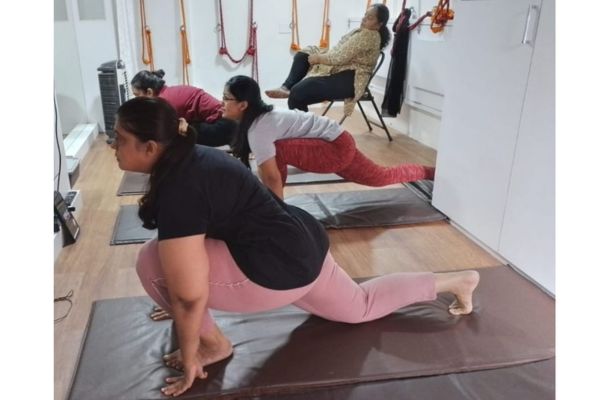
🧘 Begin Your Journey Towards Healthy Ageing With Shwetyoga
At Shwetyoga Wellness Institute, we believe yoga should adapt to the individual—not the other way around. Our approach to yoga encourages mindful movement, appropriate modifications, and respect for each practitioner’s physical abilities. For senior citizens, the focus should be on creating a comfortable and supportive environment where movement becomes a source of confidence rather than pressure.
Whether you are a senior citizen looking to maintain mobility or a family member seeking a suitable yoga practice for your parents, starting with the right guidance can make a meaningful difference. With the right approach, yoga can become more than a class or a daily exercise routine—it can become a way to remain connected to your body, your surroundings, and the activities that bring joy to your life.
Move mindfully. Stay active. Age with awareness.
🌿 Your body may change with time, but your journey towards wellbeing can continue at every age.