
Technology has transformed childhood in remarkable ways. Children today can explore space through virtual reality, learn mathematics through interactive games, connect with grandparents across continents, and access endless educational resources—all with a few taps on a screen. Digital devices are no longer just a source of entertainment; they have become an integral part of learning and everyday life.
However, as screen time increases, another important part of childhood is quietly decreasing—movement. Many children spend hours sitting with their neck bent forward, eyes fixed on a screen, and minds constantly stimulated by fast-paced digital content. Outdoor play, imaginative exploration, face-to-face conversations, and mindful moments are slowly being replaced by scrolling, swiping, and streaming.
The goal is not to eliminate technology. Screens are a reality of modern life. The real challenge is helping children create a healthy balance between digital engagement and physical, emotional, and mental well-being.

This is where yoga offers a powerful and practical solution. Far beyond stretching exercises, yoga teaches children how to reconnect with their bodies, calm their minds, regulate emotions, and develop lifelong habits that support healthy growth.
Why Screen Time Is More Than Just a Parenting Concern
When people discuss excessive screen time, they often focus only on eyesight or reduced physical activity. While these are valid concerns, prolonged digital exposure affects children in much deeper ways.
Digital platforms are designed to constantly capture attention. Bright visuals, instant rewards, quick transitions, and endless notifications keep young minds engaged for long periods. Over time, children may begin expecting the same level of stimulation in everyday life.
As a result, slower activities such as reading, drawing, studying, or even having conversations may start feeling “boring.” This shift can affect concentration, patience, creativity, and emotional regulation.
Physically, extended screen use encourages prolonged sitting, rounded shoulders, forward head posture, wrist strain, and reduced flexibility. Mentally, it can contribute to restlessness, irritability, difficulty winding down before bedtime, and challenges in maintaining focus.
Rather than viewing yoga as simply another extracurricular activity, parents can think of it as a daily reset button that helps children restore the balance modern lifestyles often disrupt.
Yoga Gives Children Something Screens Cannot
Screens stimulate the senses from the outside. Yoga develops awareness from the inside. This difference is profound.
During yoga practice, children learn to notice their breathing, understand how different emotions feel in their bodies, recognize tension, and become aware of their thoughts without becoming overwhelmed by them. Instead of constantly seeking external entertainment, they begin discovering comfort within themselves.
This ability to self-regulate becomes one of the greatest kids yoga benefits, helping children navigate school pressures, friendships, competitions, and everyday challenges with greater emotional stability.

From Fast Reactions to Thoughtful Responses
One subtle effect of excessive screen exposure is the habit of immediate response. Videos autoplay. Games provide instant rewards. Messages receive immediate replies. Everything happens quickly.
Yoga introduces an entirely different rhythm. Children learn to pause before moving into a posture. They breathe before reacting. They hold a balance instead of rushing through it. This simple practice teaches patience—a skill becoming increasingly valuable in today’s fast-paced world.
Over time, children begin applying this pause beyond yoga. Instead of reacting impulsively during disagreements or becoming frustrated when things don’t go their way, they gradually develop the ability to respond more calmly and thoughtfully.
The Digital Posture Problem
Take a moment to observe a child using a smartphone or tablet. The head tilts forward. Shoulders round inward. The upper back curves. The wrists remain in one position. The eyes rarely blink naturally. These repetitive positions place unnecessary strain on growing muscles and joints.
Yoga helps reverse many of these habits through gentle stretches and strengthening exercises. Poses that open the chest encourage healthier breathing. Back-strengthening movements improve posture. Neck stretches release tension. Hip-opening postures counteract prolonged sitting. Balance poses strengthen muscles that often remain inactive during screen-based activities.
As children become more aware of how good posture feels, they naturally begin sitting, standing, and walking with greater confidence.
Helping Children Understand Their Bodies
Many children today can easily explain how to use a new mobile application but struggle to identify basic signals from their own bodies.
Are they tired? Hungry? Stressed? Overstimulated? Frustrated?
Yoga encourages body awareness in an enjoyable, non-judgmental way. For example, after practising a few minutes of deep breathing, children may notice their heartbeat slowing down. After gentle stretches, they become aware of muscles they didn’t even realize were tense. This growing awareness helps children make healthier choices throughout the day rather than simply reacting to discomfort.
Yoga Supports Better Focus During Learning
One of the biggest challenges parents and teachers face today is maintaining children’s attention. After spending hours switching rapidly between videos, games, and social media, concentrating on homework can become difficult.
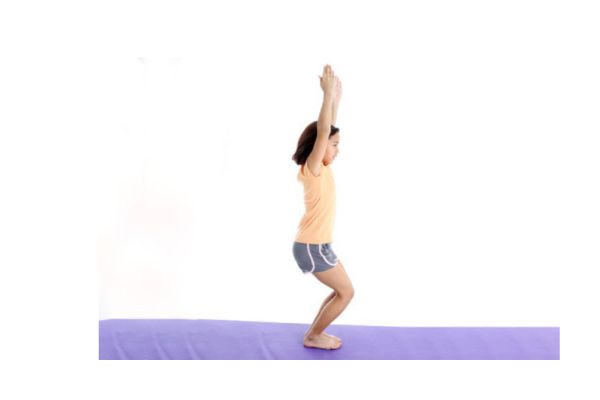
Yoga helps train sustained attention. Holding a balancing pose, following breathing patterns, or moving mindfully through a sequence requires children to stay present. Unlike digital activities that encourage constant switching between tasks, yoga strengthens the ability to focus on one activity at a time.
This improved concentration often carries over into classrooms, reading sessions, creative projects, and daily routines.
Emotional Fitness Is Just as Important as Physical Fitness
Children experience stress too. School expectations. Friendship conflicts. Competitive environments. Academic pressure. Social comparisons. Many children simply haven’t learned healthy ways to process these emotions.
Yoga creates a safe space where emotions can be acknowledged without judgment. Breathing exercises help calm overwhelming feelings. Gentle movement reduces physical tension associated with stress. Relaxation practices teach children that it is okay to slow down.
One of the lesser-known kids yoga benefits is emotional resilience—the ability to recover from setbacks with greater confidence and calmness.
Making Yoga More Exciting Than Screen Time
Parents sometimes worry that yoga cannot compete with animated videos or mobile games. The secret lies in changing the approach. For younger children, yoga becomes magical when transformed into storytelling.
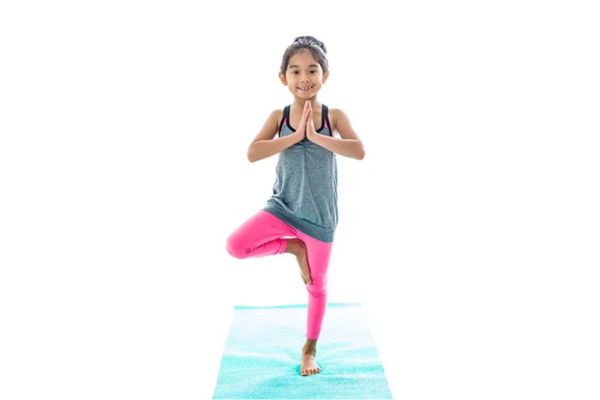
Instead of saying, “Let’s do Tree Pose,” invite them to become a giant tree swaying in the wind. Instead of Cobra Pose, imagine becoming a curious snake exploring the forest. Lion’s Breath becomes a roaring jungle adventure. Butterfly Pose becomes a colorful garden full of movement. Cloud breathing, rainbow stretches, mountain adventures, and space journeys make yoga imaginative rather than instructional. Children engage naturally when movement becomes play.
Creating Screen-Free Family Rituals
Children often imitate what they observe more than what they are told. If parents spend evenings scrolling through phones, children naturally view this as normal behaviour. Instead of enforcing strict screen limits without alternatives, families can introduce enjoyable yoga rituals together. A ten-minute morning stretch before school. A bedtime breathing practice. Weekend family yoga sessions in the garden or living room.
A “No Screens, Just Stretch” Sunday morning tradition. These shared experiences strengthen family relationships while reducing dependence on digital entertainment.
Bedtime Yoga: Helping Busy Minds Slow Down
Many children struggle to fall asleep after using digital devices late into the evening. Bright screens stimulate the brain, making it harder to relax. Gentle bedtime yoga creates a calming transition between active daytime experiences and restful sleep.
Simple stretches, slow breathing, and short guided relaxation help children release physical and mental tension accumulated throughout the day. Instead of falling asleep with racing thoughts, children learn to end the day feeling calm and secure.
Yoga Encourages Creative Thinking
Screens often provide ready-made entertainment. Yoga invites imagination. During mindful movement, children invent stories, create characters, imitate animals, explore nature, and express themselves physically.
This type of open-ended creativity supports cognitive development in ways passive screen consumption cannot. As creativity grows, children become more confident in solving problems, expressing ideas, and thinking independently.
Small Daily Habits Matter More Than Long Sessions
One common misconception is that children need hour-long yoga classes. In reality, consistency matters far more than duration. Five minutes before homework. Ten minutes after school. A few stretches after online classes. Two minutes of breathing before exams. These small habits fit naturally into daily routines while creating lasting benefits.
Children are more likely to continue a practice that feels enjoyable and achievable rather than demanding.
Signs Your Child May Benefit from More Yoga Time
Every child is different, but certain behaviours may indicate that additional movement and mindfulness could help.
Some common signs include:
- Difficulty sitting comfortably without fidgeting.
- Complaints of neck, shoulder, or back discomfort after screen use.
- Trouble falling asleep after using devices.
- Reduced interest in outdoor play.
- Short attention span during homework.
- Increased irritability when screen time ends.
- Poor posture while sitting or standing.
- Difficulty managing frustration or disappointment.
Yoga is not a replacement for medical or psychological care when needed, but it can be a valuable complementary practice that supports healthy physical and emotional development.
Practical Tips for Parents
Helping children balance screen time does not require strict rules or dramatic lifestyle changes. Small, consistent adjustments often work best.
Try introducing one or two “Yoga Breaks” during long study sessions or online classes. Encourage children to stretch, breathe deeply, or perform a few playful poses before returning to their work.
Create a dedicated “movement corner” at home with a yoga mat, cushions, and calming music to make yoga feel inviting.

Celebrate participation rather than perfection. There is no need for perfect poses. Smiles, curiosity, and consistency are far more important.
Most importantly, avoid using yoga as a punishment or replacement for screen time. Instead, present it as an enjoyable activity that helps children feel stronger, happier, and more relaxed.
Why Balance Is the Real Goal
Technology will continue evolving, and children will continue growing up in a digital world. The answer is not choosing between screens and yoga.
The answer is balance. Screens help children connect with information. Yoga helps them connect with themselves. Screens develop digital literacy. Yoga develops emotional literacy. Screens encourage interaction with technology. Yoga encourages awareness of the body, breath, and mind.
When these two worlds exist in harmony, children become not only smarter but also healthier, calmer, more resilient, and better equipped to thrive.
Conclusion: Raising Mindful Digital Citizens
The conversation should never be about making children fear technology. Instead, it should focus on helping them develop habits that allow technology to serve their lives rather than control them.
Yoga offers children something increasingly valuable in today’s fast-moving world—the ability to slow down, breathe deeply, move mindfully, and understand themselves.
Among the many kids yoga benefits, perhaps the greatest is that it teaches children an essential life lesson: happiness does not always come from the next notification, the next video, or the next game. Sometimes, it comes from taking a deep breath, stretching toward the sky, laughing during a playful pose, and discovering the joy of simply being present.
By encouraging children to spend a little more yoga time alongside their screen time, parents are not just helping them become healthier today. They are nurturing habits of mindfulness, resilience, confidence, and balance that can positively shape their future for years to come.