
Are you looking for a natural and sustainable way to improve your fitness and manage your weight? Starting your day with yoga can be a great addition to your daily routine. Unlike intense workouts that may feel difficult to maintain, yoga combines physical movements, controlled breathing and mindfulness to support your overall well-being.
Morning yoga for weight loss is a popular choice among people who want to become more active, improve flexibility and develop healthier lifestyle habits. Even dedicating 20 minutes every morning to yoga can help you build consistency and stay connected with your fitness goals.
But can yoga really help with weight loss? Which yoga poses should you practise? And how can you create a morning routine that fits into your busy schedule?
Let’s explore how a simple 20-minute yoga routine can become part of your weight management journey.

Can Morning Yoga Help with Weight Loss?
Yes, yoga can support weight loss when combined with a balanced diet, regular physical activity and healthy lifestyle habits.
Weight loss generally occurs when your body uses more energy than it consumes over time. Certain yoga practices involve continuous movements, muscle engagement and physical effort, which contribute to daily energy expenditure.
However, yoga offers benefits beyond calorie expenditure.
Here are some ways regular yoga practice can support healthy weight management:
1. Increases Physical Activity: Regular yoga practice keeps your body moving and helps you become more physically active. Dynamic yoga sequences can involve multiple muscle groups and increase your overall activity levels.
2. Builds Muscle Strength: Many yoga poses require you to support your body weight. Practising poses such as Plank, Warrior and Chair Pose helps develop muscular strength and endurance.
3. Supports Stress Management: Chronic stress can influence eating habits, sleep and appetite regulation. Yoga combines movement and breathing techniques that may help reduce stress and encourage healthier habits.
4. Improves Body Awareness: Yoga encourages you to pay attention to your body, breathing and movements. This awareness can help you become more mindful of your eating habits and lifestyle choices.
5. Encourages Consistency: One of the biggest challenges in weight management is maintaining a regular exercise routine. A short morning yoga session can be easier to incorporate into your daily schedule.
Remember, yoga alone does not guarantee weight loss. Its effectiveness depends on your overall lifestyle, consistency, nutrition, sleep and individual health.
20-Minute Morning Yoga Routine for Weight Loss
You do not need an expensive gym membership or complicated equipment to start your yoga journey. All you need is a comfortable yoga mat, some space and 20 minutes of your morning.
This beginner-friendly routine combines warm-up exercises, standing poses, strengthening movements and relaxation.
Here is how you can divide your 20-minute morning yoga routine.
1. Gentle Warm-Up and Joint Movements (3 Minutes)
Before starting any yoga session, prepare your body with gentle movements.
Begin by standing comfortably or sitting on your yoga mat.
Practise these movements:
- Neck rotations: Gently move your neck from side to side without forcing the movement.
- Shoulder rotations: Rotate your shoulders forward and backward.
- Arm stretches: Extend your arms overhead and gently stretch your entire upper body.
- Waist rotations: Place your hands on your waist and make gentle circular movements.
- Ankle rotations: Rotate each ankle in both directions.
These movements help prepare your joints and muscles for the yoga session.
Avoid sudden movements or excessive stretching, especially if you are a beginner.
2. Surya Namaskar (5 Minutes)
Surya Namaskar, also known as Sun Salutation, is one of the most popular yoga sequences for improving overall physical fitness.
It consists of a series of connected yoga postures performed in a coordinated sequence with breathing.

Regular practice of Surya Namaskar can:
- Engage multiple muscle groups.
- Improve flexibility and mobility.
- Build muscular endurance.
- Increase physical activity.
- Improve coordination between movement and breathing.
Start with 3–5 comfortable rounds, depending on your fitness level. Focus on maintaining proper alignment and breathing rather than increasing your speed.
As your stamina improves, you can gradually increase the number of rounds.
Surya Namaskar is particularly useful for people who prefer a dynamic yoga practice instead of holding individual poses for long periods.
3. Warrior Pose (Veerabhadrasana) – 2 Minutes
Warrior Pose is an excellent standing yoga posture that helps strengthen the legs and improve balance.
How to practise:
- Stand straight with your feet comfortably apart.
- Turn one foot outward and bend the corresponding knee.
- Extend both arms sideways at shoulder level.
- Keep your upper body upright and look forward.
- Hold the position for a few comfortable breaths.
- Repeat on the opposite side.
Benefits:
- Strengthens the thighs and legs.
- Engages the core muscles.
- Improves balance and stability.
- Builds muscular endurance.
Warrior Pose is a useful addition to a weight management routine because it requires active engagement of several muscle groups.
4. Chair Pose (Utkatasana) – 2 Minutes
Chair Pose is a strengthening yoga posture that engages the thighs, hips and core.
How to practise:
- Stand straight with your feet together or slightly apart.
- Slowly bend your knees as if sitting on an imaginary chair.
- Raise your arms overhead or extend them forward.
- Keep your chest lifted and spine comfortable.
- Hold the posture for 15–30 seconds.
- Slowly return to the standing position and repeat.
Benefits:
- Strengthens the thigh muscles.
- Engages the abdominal muscles.
- Improves lower-body endurance.
- Develops balance and stability.
Beginners can avoid bending their knees too deeply. If you experience knee discomfort, modify the posture or seek guidance from a qualified yoga instructor.
5. Plank Pose (Phalakasana) – 2 Minutes
Plank Pose is a body-weight exercise that helps develop core strength and overall muscular stability.

How to practise:
- Begin in a tabletop position.
- Extend your legs backward, keeping your hands beneath your shoulders.
- Maintain a straight line from your head to your heels.
- Engage your abdominal muscles.
- Hold the position for 15–30 seconds.
- Rest and repeat according to your ability.
Benefits:
- Strengthens the core.
- Engages the shoulders and arms.
- Improves body stability.
- Develops muscular endurance.
If a full plank feels difficult, begin with a knee-supported plank. Focus on correct alignment rather than holding the posture for a long time.
6. Boat Pose (Naukasana) – 2 Minutes
Boat Pose is a core-strengthening yoga posture that challenges your abdominal muscles and balance.
How to practise:
- Sit on your yoga mat with your knees bent.
- Slowly lean your upper body backward while keeping your spine comfortably extended.
- Lift your feet off the floor.
- Extend your arms forward.
- Hold the posture for a few breaths.
- Slowly release and repeat.
Beginners can keep their knees bent and their feet closer to the floor.
Benefits:
- Strengthens the abdominal muscles.
- Improves core stability.
- Develops balance.
- Engages the hip flexors.
Boat Pose can help strengthen your core, but it does not specifically burn belly fat. Fat loss occurs across the body rather than from one targeted area.
7. Bridge Pose (Setu Bandhasana) – 2 Minutes
Bridge Pose is a gentle backbend that engages the glutes, hamstrings and back muscles.
How to practise:
- Lie on your back with your knees bent.
- Keep your feet flat on the floor, hip-width apart.
- Place your arms beside your body.
- Slowly lift your hips towards the ceiling.
- Keep your shoulders relaxed and breathe naturally.
- Hold for a few comfortable breaths before lowering your hips.
Benefits:
- Strengthens the glutes and hamstrings.
- Engages the muscles around the hips.
- Improves spinal mobility.
- Encourages better body awareness.
Avoid forcing the backbend or turning your head while holding the posture.
8. Relaxation and Deep Breathing (2 Minutes)

Finish your morning yoga routine with a few minutes of relaxation.
Lie comfortably on your back in Shavasana or sit in a relaxed position.
Close your eyes and focus on your natural breathing.
Allow your body to relax and release unnecessary tension.
This final step helps you transition from physical activity to the rest of your day with a calmer and more focused mind.
Tips to Make Your Morning Yoga Routine More Effective for Weight Loss
Practising yoga regularly is important, but your everyday habits also influence your weight management journey.
Here are some practical tips to follow:
1. Practise Consistently
Instead of doing an intense yoga session once or twice a week, try to establish a routine that you can maintain.
Start with 15–20 minutes and gradually increase the duration as your fitness improves.
2. Combine Yoga with Walking
Walking is an accessible form of physical activity that can complement your yoga practice.
Combining regular walking with yoga can help increase your overall daily activity and support your fitness goals.
3. Follow a Balanced Diet
Exercise is only one part of weight management. Include vegetables, fruits, whole grains, protein-rich foods and healthy fats in your daily meals.
Avoid extreme dieting or skipping meals to achieve quick results.
4. Get Enough Sleep
Sleep plays an important role in appetite regulation, energy levels and overall health.
Try to maintain a consistent sleep schedule and aim for sufficient quality sleep every night.
5. Stay Hydrated
Drink enough water throughout the day. Your hydration needs may vary depending on your activity level, climate and individual health.
6. Focus on Progress, Not Perfection
Do not compare your progress with someone else’s fitness journey.
Some days you may perform every yoga pose comfortably, while on other days you may need modifications. What matters is developing a sustainable routine.
Common Mistakes to Avoid While Practising Yoga for Weight Loss
If you are starting yoga to manage your weight, avoid these common mistakes:
- Expecting instant results: Healthy weight management takes time. Avoid unrealistic expectations and quick-fix promises.
- Focusing only on belly fat: No yoga pose can selectively burn fat from your stomach, thighs or arms.
- Ignoring proper alignment: Performing yoga poses incorrectly can increase the risk of discomfort and injury.
- Overdoing the practice: More exercise is not always better. Give your body sufficient time to recover.
- Ignoring nutrition: A regular yoga practice works best alongside balanced eating habits.
- Being inconsistent: Practising occasionally may not help you develop long-term fitness habits.
Who Can Practise Morning Yoga for Weight Loss?

Morning yoga can be suitable for many people, including:
- Beginners who want to start exercising.
- Working professionals with limited time for fitness.
- Women looking for a sustainable physical activity routine.
- People who want to improve flexibility and strength.
- Individuals who prefer low-impact exercise options.
However, not every yoga posture is suitable for everyone.
People with existing medical conditions, joint problems, injuries or significant mobility limitations should consult an appropriate healthcare professional and seek guidance from a qualified yoga instructor before starting.
Pregnant women should follow a pregnancy-specific yoga programme rather than a general weight loss routine.
Frequently Asked Questions (FAQs)
1. Is 20 minutes of morning yoga enough for weight loss?
Twenty minutes of yoga is a good starting point for developing a regular exercise habit. It can improve strength, flexibility and physical activity levels. However, weight loss depends on your overall calorie balance, nutrition, lifestyle and consistency.
2. Which yoga is best for weight loss?
Dynamic yoga practices such as Surya Namaskar, Vinyasa Yoga and strength-focused yoga sequences can contribute to physical activity and muscular endurance. The best practice is one that suits your fitness level and that you can perform consistently.
3. Can I lose belly fat by doing yoga every morning?
Yoga can support overall weight management and strengthen abdominal muscles. However, spot reduction is not possible. Reducing belly fat requires overall body fat management through appropriate nutrition, physical activity and healthy lifestyle habits.
4. Should I practise yoga on an empty stomach in the morning?
Many people prefer practising yoga before breakfast because it feels comfortable. However, it is not compulsory for everyone. If you feel weak or dizzy when exercising on an empty stomach, consider a suitable light snack and adjust your routine.
5. How many days a week should I practise yoga for weight loss?
You can begin with 3–4 days a week and gradually work towards a regular practice depending on your fitness level and recovery. Combining yoga with walking and other suitable physical activities can support overall fitness.
6. Does Surya Namaskar help with weight loss?
Surya Namaskar is a dynamic sequence that involves several muscle groups and can increase energy expenditure. Practising it regularly can contribute to an active lifestyle and support weight management when combined with balanced nutrition.
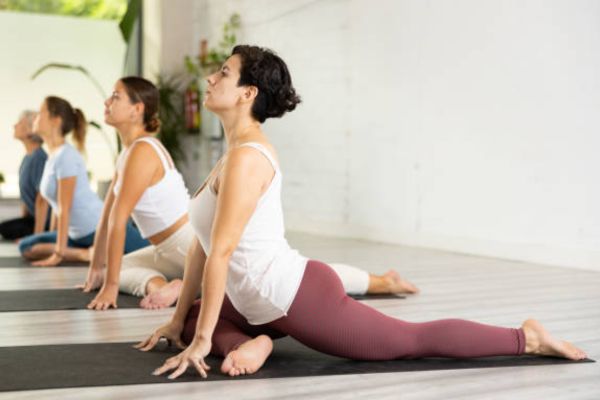
Start Your Weight Management Journey with Shwetyoga
Weight management is not about achieving quick results or following extreme fitness routines. It is about creating healthier habits that you can maintain throughout your life.
A simple 20-minute morning yoga routine can be a wonderful starting point. With regular practice, you can work towards improving your strength, flexibility, balance and overall physical fitness.
At Shwetyoga Wellness Institute, we believe that yoga is more than just performing asanas. It is about understanding your body, practising with correct alignment, improving your breathing and developing a healthier relationship with your physical and mental well-being.
Whether you are a beginner or someone looking to improve your existing practice, guided yoga sessions can help you follow a routine that suits your needs and abilities.
Ready to make yoga a part of your daily lifestyle? Join Shwetyoga and take your first step towards a healthier, stronger and more active you!