
The wellness industry is evolving rapidly, and yoga is no longer limited to traditional yoga studios or spiritual retreats. Today, professionals from healthcare, education, beauty, rehabilitation, sports, hospitality, and caregiving sectors are integrating yoga into their careers to provide more holistic services. This growing trend has significantly increased the demand for a yoga teacher training course, not only for aspiring yoga instructors but also for individuals looking to enhance their existing professions.
Modern society faces rising levels of stress, poor posture, sedentary lifestyles, obesity, mental fatigue, sleep disorders, and lifestyle diseases. People are now searching for natural and sustainable wellness solutions instead of relying entirely on temporary fixes. This shift has opened doors for yoga to become a valuable complementary skill across multiple industries.
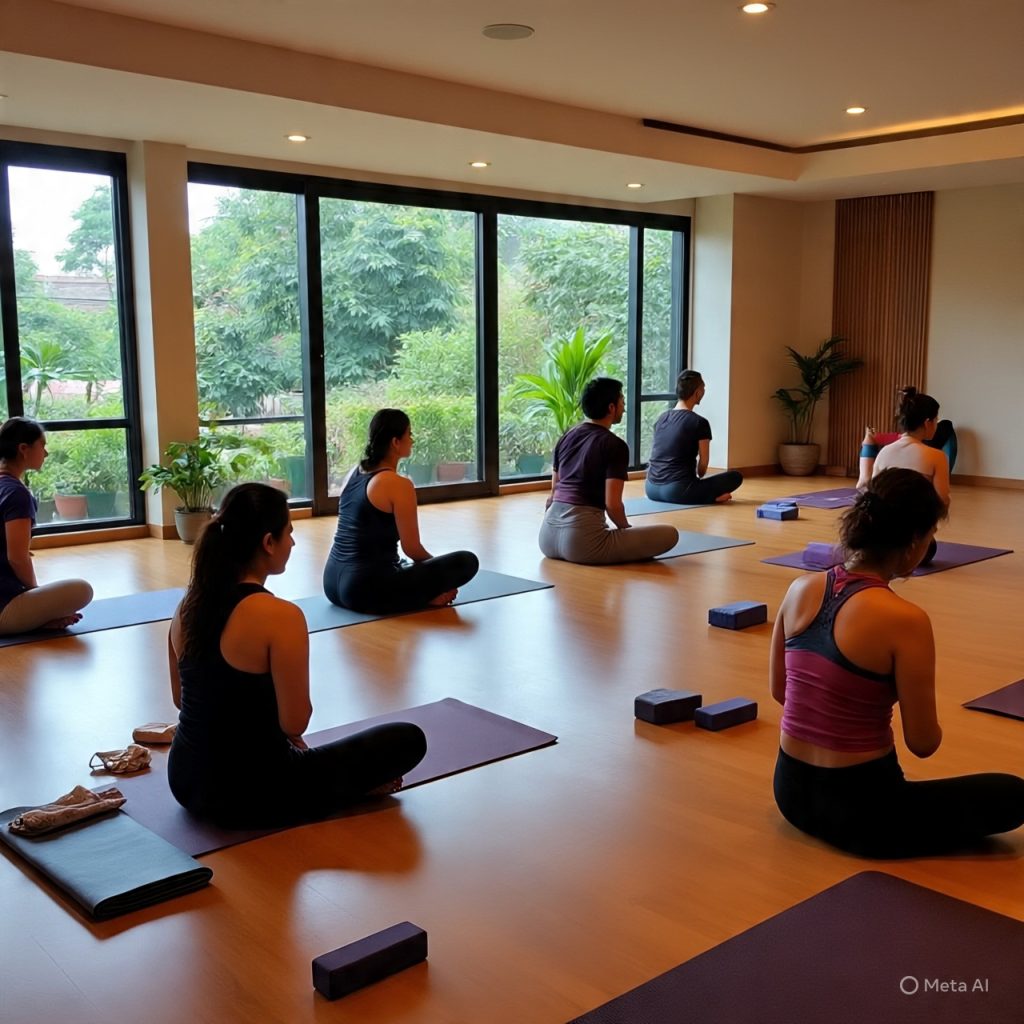
A yoga teacher training course offers far more than learning yoga postures. It provides knowledge about anatomy, breathwork, mindfulness, body alignment, stress management, flexibility, movement science, and holistic wellness practices. These skills can help professionals deliver better care, stronger client experiences, and long-term wellness solutions.
The most interesting part is that yoga education is now helping people who may never intend to become full-time yoga teachers. Instead, they use yoga knowledge as an added specialization within their current profession.
How a Yoga Teacher Training Course Benefits Physiotherapists and Rehabilitation Professionals
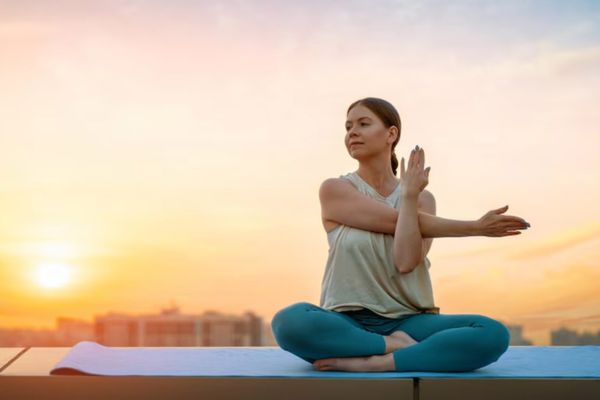
Healthcare professionals such as physiotherapists, rehabilitation therapists, sports recovery specialists, and mobility technicians are increasingly recognizing the importance of yoga in recovery and movement therapy. A yoga teacher training course can provide these professionals with a deeper understanding of posture correction, flexibility training, breathing coordination, and mindful movement patterns.
Why Yoga Complements Physiotherapy
Physiotherapy often focuses on restoring movement and reducing pain through exercises and rehabilitation protocols. Yoga enhances this process by improving body awareness, breathing efficiency, balance, and muscular flexibility. Together, they create a more complete recovery experience.
Professionals working with patients suffering from lower back pain, cervical stiffness, knee injuries, frozen shoulder, sciatica, or posture-related problems can use yoga-based movements to support healing in a gentle and sustainable way.
Benefits for Patients
A rehabilitation professional trained through a yoga teacher training course can help patients:
- Improve posture and spinal alignment
- Increase flexibility safely
- Reduce muscular tension
- Improve breathing patterns
- Enhance recovery after injuries
- Reduce stress and anxiety associated with chronic pain
- Build better body awareness during movement
Career Advantages
Healthcare professionals who combine physiotherapy with yoga often stand out because they offer a more holistic approach. Patients today appreciate wellness systems that address both physical discomfort and mental wellbeing.
This additional expertise can also help clinics create specialized wellness programs focused on posture correction, chronic pain management, mobility improvement, and preventive care.
How Dance Professionals Can Benefit from a Yoga Teacher Training Course
Dance is physically demanding and often places immense pressure on muscles, joints, ligaments, and posture. Whether it is classical dance, contemporary styles, Zumba, or professional choreography, dancers constantly require flexibility, stamina, coordination, and injury prevention strategies.
A yoga teacher training course can become extremely beneficial for dancers and dance instructors by helping them improve movement efficiency and recovery.
Yoga Helps Improve Performance
Yoga enhances several qualities that directly support dance professionals:
- Flexibility and joint mobility
- Core stability and balance
- Controlled breathing
- Postural awareness
- Mental focus and concentration
- Faster recovery after rehearsals
- Better body coordination
Breath control techniques learned during a yoga teacher training course can also help performers manage stage anxiety and improve endurance during long performances.
Preventing Injuries in Dancers
Repetitive dance movements can lead to overuse injuries and muscular strain. Yoga helps relax tight muscles while strengthening stabilizing muscles that support proper movement patterns.
Dance academies and performance centers are now increasingly integrating yoga warm-ups and cool-down routines into their training systems because of these benefits.

Expanding Career Opportunities
Dance professionals who understand yoga can also start:
- Flexibility workshops for dancers
- Dance recovery sessions
- Wellness retreats for performers
- Injury prevention programs
- Breathwork classes for performers
This creates additional income opportunities while enhancing their expertise in movement education.
How Beauticians and Bridal Makeup Artists Can Use Yoga for Wellness-Based Services
The beauty industry is no longer focused only on makeup and cosmetic appearance. Modern clients are increasingly searching for natural glow, stress relief, hormonal balance, and healthier skin from within. This has created an exciting opportunity for beauty professionals to integrate yoga into their services.
A yoga teacher training course can help beauticians, skincare professionals, spa therapists, and bridal makeup artists create wellness-centered beauty experiences.
The Connection Between Yoga and Skin Health
Stress, poor sleep, lack of circulation, hormonal imbalance, dehydration, and anxiety often directly affect the skin. Yoga supports better blood circulation, stress reduction, lymphatic movement, and relaxation, which can naturally contribute to healthier-looking skin.
Breathing techniques and gentle facial relaxation practices can help reduce tension-related puffiness and dullness.
Bridal Wellness Packages
Bridal clients often experience emotional stress, sleep disturbances, and anxiety before weddings. Beauty professionals who have completed a yoga teacher training course can offer additional wellness services such as:
- Pre-bridal relaxation yoga
- Breathing sessions for stress reduction
- Posture improvement routines
- Facial yoga sessions
- Meditation for emotional calmness
- Detox and wellness guidance
These wellness-focused additions help beauty professionals stand out in a highly competitive market.

Building a Holistic Wellness Brand
Today’s consumers appreciate professionals who combine beauty with wellness. Yoga-trained beauticians can position themselves as holistic wellness experts rather than only cosmetic service providers.
How Caretakers and Old Age Home Professionals Can Use Yoga
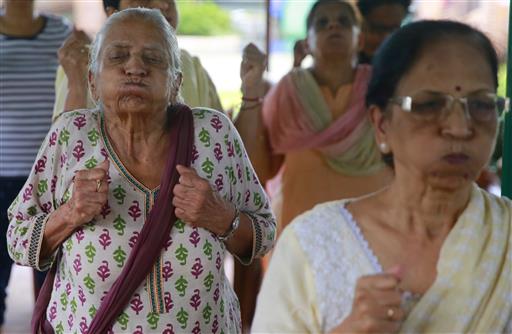
Senior citizens often experience reduced mobility, loneliness, joint stiffness, balance problems, breathing difficulties, and emotional stress. Caregivers and elderly care professionals who understand yoga can significantly improve the quality of life for older adults.
A yoga teacher training course provides valuable knowledge about gentle movement practices, breathing techniques, relaxation exercises, and body awareness suitable for senior care environments.
Benefits of Yoga for Elderly Individuals
Gentle yoga practices can help seniors:
- Improve flexibility
- Enhance blood circulation
- Support balance and coordination
- Reduce stiffness and joint discomfort
- Improve breathing capacity
- Promote emotional calmness
- Encourage better sleep quality
Chair yoga and simple breathing practices are especially useful for individuals with mobility limitations.
Emotional Benefits in Senior Care
Yoga is not only physical. Relaxation practices and mindfulness techniques can reduce feelings of isolation and anxiety among elderly individuals.
Caregivers trained through a yoga teacher training course can create calming daily wellness routines that improve emotional wellbeing within old age homes and assisted living centers.
Increasing Professional Value
As wellness-based elderly care grows globally, caregivers with yoga training may gain an advantage in employment opportunities because families increasingly seek holistic support systems for aging parents.
Why PT Teachers and School Fitness Instructors Should Learn Yoga
Children today face completely different health challenges compared to previous generations. Excessive screen time, poor posture, lack of outdoor activity, academic stress, obesity, and reduced physical mobility are becoming increasingly common.
This makes a yoga teacher training course highly valuable for PT teachers, sports instructors, and school wellness educators.
How Yoga Helps Students
Yoga can support school children by improving:
- Concentration and focus
- Posture and flexibility
- Breathing habits
- Emotional balance
- Coordination and body awareness
- Stress management
- Physical mobility
Simple yoga sessions before classes can help students feel calmer and more attentive throughout the day.
Yoga Encourages Inclusive Fitness
Not every child naturally excels in competitive sports. Yoga creates a non-competitive form of physical activity that allows every student to participate comfortably.
This helps schools create more inclusive wellness programs that focus on overall health rather than only athletic performance.

Future Opportunities for Schools
Schools are increasingly introducing wellness programs that include mindfulness, yoga, and breathing exercises. PT teachers trained through a yoga teacher training course can contribute significantly to these initiatives.
How Corporate Wellness Professionals Can Benefit from Yoga Training
Modern office culture has created a rise in stress, burnout, poor posture, neck pain, obesity, anxiety, and sleep disturbances. Employees spend long hours sitting in front of screens with limited physical activity.
A yoga teacher training course can help professionals design workplace wellness programs focused on improving employee wellbeing.
Common Corporate Health Problems
Office employees commonly suffer from:
- Neck and shoulder pain
- Lower back discomfort
- Eye strain
- Stress and burnout
- Lack of mobility
- Mental fatigue
- Poor sleep quality
Yoga-based practices can help reduce these issues through desk stretches, breathing exercises, posture awareness, and relaxation techniques.
Corporate Wellness is a Growing Industry
Companies now understand that healthier employees are more productive and motivated. As a result, workplace wellness programs are growing rapidly.
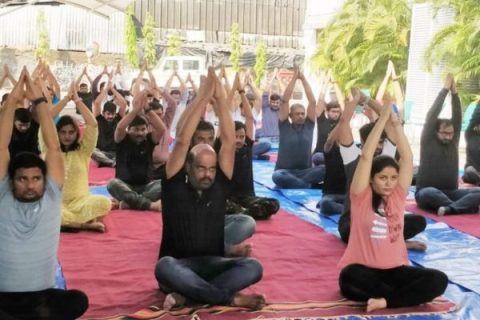
Professionals trained through a yoga teacher training course can conduct:
- Corporate yoga sessions
- Stress management workshops
- Breathing exercises for employees
- Desk yoga programs
- Mindfulness sessions
This field offers flexible career opportunities in both online and offline formats.
Hospitality and Wellness Tourism: An Emerging Opportunity
The tourism industry is changing dramatically as travelers increasingly seek wellness-focused experiences. Resorts, retreats, eco-tourism centers, and luxury hotels now include yoga sessions as part of guest experiences.
A yoga teacher training course can open opportunities within hospitality and wellness tourism industries.
Wellness Tourism is Growing
Modern travelers want:
- Relaxation experiences
- Stress detox retreats
- Mindfulness vacations
- Healing environments
- Nature-based wellness activities
Yoga fits perfectly into this growing trend.

Opportunities in Hospitality
Professionals with yoga training can work in:
- Wellness retreats
- Resort wellness programs
- Luxury hotel wellness services
- Retreat planning
- Travel wellness experiences
This creates a unique combination of wellness and tourism-based career growth.
Content Creators and Social Media Influencers Can Build Stronger Wellness Brands
The digital wellness industry has expanded significantly in recent years. However, audiences are becoming more informed and prefer authentic educational content over surface-level fitness trends.
A yoga teacher training course gives content creators deeper knowledge and credibility.
Types of Content They Can Create
Yoga-trained creators can develop:
- Posture correction videos
- Breathwork tutorials
- Stress management content
- Flexibility guidance
- Beginner yoga education
- Wellness blogs
- Guided relaxation sessions
This helps creators build trust and long-term audience engagement.

Why Authentic Knowledge Matters
Social media audiences are increasingly aware of misinformation in the wellness industry. Proper yoga education helps creators provide more responsible and valuable guidance.
Conclusion
The modern wellness industry is no longer limited to gyms, clinics, or yoga studios alone. Today, professionals from healthcare, education, beauty, caregiving, hospitality, dance, and corporate sectors are integrating yoga into their careers to provide more complete and meaningful services.
A yoga teacher training course is becoming much more than a certification for teaching yoga classes. It is evolving into a versatile skill-building program that enhances professional expertise, supports preventive healthcare, and improves human wellbeing across multiple industries.
Whether someone is a physiotherapist helping patients recover from pain, a beautician creating holistic bridal wellness packages, a PT teacher supporting children’s health, or a caregiver improving the lives of senior citizens, yoga knowledge can add tremendous value to their work.
As modern lifestyles continue creating stress-related health challenges, the demand for integrated wellness solutions will only grow stronger. This makes a yoga teacher training course one of the most adaptable and future-relevant wellness education pathways available today.