
Taking a career break is rarely a simple decision. For many women, it comes after becoming a mother, caring for family members, relocating to a new city, managing health challenges, pursuing higher education, or simply taking time to prioritize personal well-being. While these choices often stem from love, responsibility, or necessity, returning to professional life can bring an unexpected challenge—self-confidence.
Questions like “Am I still capable?”, “Have I fallen behind?”, “Will anyone hire me after this gap?”, and “Can I balance everything again?” quietly occupy the mind. The confidence that once came naturally may suddenly feel distant.
Interestingly, rebuilding confidence after career break is not just about updating a résumé or learning new skills. It also involves reconnecting with yourself. This is where yoga becomes far more than a physical practice. It becomes a powerful tool for emotional resilience, mental clarity, self-awareness, and inner strength.
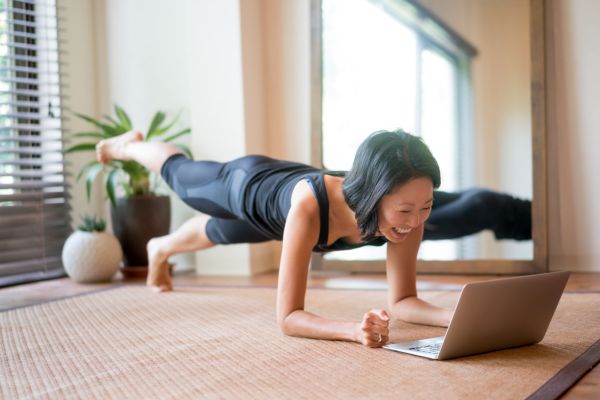
Unlike motivational talks that provide temporary inspiration, yoga helps create lasting confidence from within. It works by calming the nervous system, improving posture, strengthening the body, and teaching you to trust yourself one step at a time.
Understanding Why Confidence Often Declines After a Career Break
Many women assume their confidence disappears because they have forgotten their professional skills. In reality, the issue is often much deeper.
Career breaks usually bring major lifestyle changes. Daily routines shift, priorities change, and personal identities evolve. A woman who once introduced herself as a project manager, accountant, teacher, designer, or entrepreneur may now identify primarily as a caregiver, homemaker, or parent. While these roles deserve immense respect, society often places greater value on paid work, leading many women to underestimate their own abilities.
Over time, comparisons with peers who continued working can create feelings of inadequacy. Social media updates about promotions, achievements, and career milestones may reinforce the belief that everyone else is moving forward while they have been left behind.
This constant mental comparison activates stress responses, increases self-doubt, and gradually weakens confidence. Yoga addresses this challenge from the inside out by helping women quiet external noise and reconnect with their own unique journey.
Yoga Teaches That Progress Is Personal
One of the most beautiful lessons yoga offers is that every individual practices according to their own body, abilities, and circumstances. In a yoga class, no two practitioners have identical flexibility, balance, or strength. Yet every person is encouraged to honour their own progress rather than compete with others. This philosophy naturally extends into everyday life.
Women returning to work often feel pressured to “catch up” with others. Yoga gently replaces this mindset with a healthier question:
“How can I become a better version of myself today than I was yesterday?”
This subtle shift changes everything. Confidence begins growing not through comparison but through consistent self-improvement.
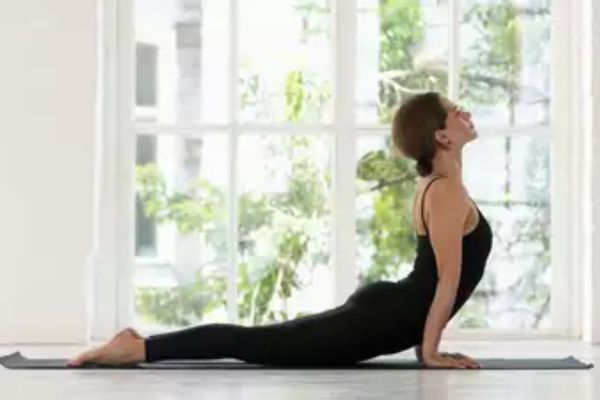
Rebuilding Confidence Starts with Rebuilding the Mind-Body Connection
Periods of stress often disconnect us from our own bodies. Long hours of caregiving, emotional exhaustion, and lack of personal time can lead women to ignore their physical and emotional needs.
Yoga restores this connection. As you move through each posture with awareness, you begin noticing your breath, posture, energy levels, emotions, and thoughts without judgment. This mindful awareness creates an important realization: your body has supported you through every challenge, even when your mind doubted itself.
That realization is incredibly empowering. Instead of viewing yourself through the lens of career gaps or missed opportunities, you begin appreciating your resilience.
The Role of Breath in Building Confidence
Confidence is deeply connected to the nervous system. When we feel anxious before interviews or networking events, breathing becomes shallow, the heart races, and the mind anticipates failure. Yoga introduces conscious breathing techniques, known as pranayama, that help regulate these stress responses naturally.
Practices like diaphragmatic breathing, Nadi Shodhana (alternate nostril breathing), and Bhramari (bee breath) activate the body’s relaxation response. As the nervous system settles, thoughts become clearer and emotional reactions become less overwhelming. Rather than forcing confidence through positive thinking alone, yoga creates the internal conditions where confidence can naturally emerge. A calm mind communicates more clearly, thinks more rationally, and approaches challenges with greater composure.
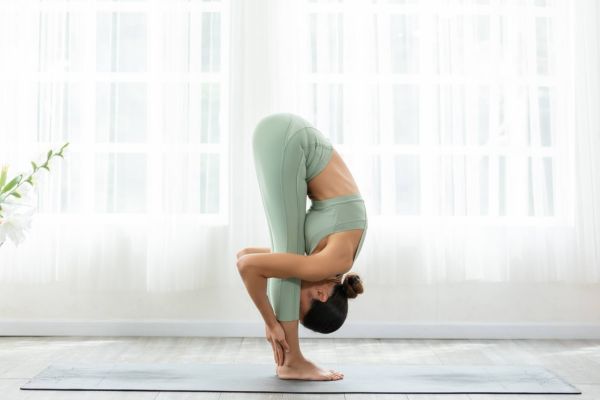
Strong Posture Creates Strong Presence
Have you ever noticed how self-doubt affects posture? Shoulders round forward. Eye contact decreases. The chest collapses. Walking becomes hesitant.
These subtle body language changes influence not only how others perceive us but also how we perceive ourselves. Yoga strengthens postural muscles while encouraging an open, balanced alignment of the spine. Standing poses such as Mountain Pose, Warrior I, Warrior II, and Tree Pose cultivate stability, groundedness, and inner strength.
As posture improves, women often discover they naturally speak more confidently, maintain better eye contact, and project greater self-assurance during interviews, presentations, and professional conversations. Confidence is not merely a mindset—it is something the body expresses as well.
Letting Go of Perfectionism
Many women returning after career breaks believe they must know everything before applying for jobs again. They spend months taking online courses, collecting certifications, or endlessly revising their resumes because they fear making mistakes.
Yoga gently challenges perfectionism. Every yoga practitioner loses balance. Every practitioner modifies poses. Every practitioner experiences difficult days. Yet the practice continues. This teaches a valuable lesson for professional life: progress matters more than perfection. Confidence grows when we become comfortable being learners again.
Yoga Encourages Self-Compassion Instead of Self-Criticism
One of the biggest barriers to rebuilding confidence is the harsh inner voice.
“I’ve forgotten everything.”
“I’m too old to restart.”
“I should have returned earlier.”
“No company will hire me.”
These thoughts slowly become accepted as truth.
Yoga teaches mindful observation rather than immediate belief. During meditation, practitioners learn to watch thoughts arise without attaching to them. Eventually, women begin recognizing that self-doubt is simply a passing mental pattern—not an accurate reflection of their abilities. Replacing self-criticism with self-compassion creates emotional space for confidence to grow.
Building Small Daily Wins
Confidence rarely returns overnight. It grows through repeated experiences of success. Yoga naturally creates these small victories every day. Perhaps today you held a balancing pose for five extra seconds. Maybe your breathing felt calmer. Perhaps you finally completed a sequence that once seemed impossible. Each achievement reminds the brain:
“I am improving.”
This psychological reinforcement extends beyond the yoga mat. Small professional milestones—updating LinkedIn, attending an interview, completing an online course, reconnecting with former colleagues—begin feeling more achievable because your mind has already become familiar with steady progress.
Managing Interview Anxiety Through Yoga
Returning to interviews after years away from work can feel intimidating. The fear of explaining career gaps often creates unnecessary anxiety. A short yoga routine before interviews can make a remarkable difference. Five to ten minutes of gentle stretching combined with mindful breathing reduces physical tension, clears mental clutter, and improves focus.
Instead of entering the interview with racing thoughts, women arrive feeling more centred and present. Interviewers notice authenticity and calmness far more than rehearsed confidence. Yoga helps cultivate exactly that.
Rediscovering Identity Beyond Job Titles
Career breaks sometimes create an identity crisis. Many women unknowingly begin measuring their worth solely through employment. Yoga offers a refreshing perspective.
According to yogic philosophy, our true value does not depend on external achievements, salaries, promotions, or job titles. Our worth exists simply because we exist. When women begin experiencing this truth through meditation and self-reflection, professional success transforms from being a source of validation into an opportunity for contribution. Ironically, this healthier mindset often makes interviews, networking, and career transitions feel less stressful.
Confidence Through Consistency, Not Intensity
Many people believe dramatic transformations require dramatic effort. Yoga proves otherwise.
Practising for just 20–30 minutes daily often creates greater long-term benefits than occasional intense workouts or bursts of motivation. The same principle applies to rebuilding a career. Instead of trying to transform everything within a week, consistent daily actions gradually restore professional confidence. Update one section of your resume. Apply for one suitable position. Read one industry article. Practice one interview question. Attend one networking session.
Small, consistent actions supported by regular yoga practice create remarkable progress over time.
Creating Space for Your Own Growth
Women often dedicate enormous energy to supporting everyone else while postponing their own dreams. Returning to work is not simply about earning an income. For many women, it represents intellectual growth, independence, financial security, creativity, purpose, and personal fulfilment. Yoga reminds us that self-care is not selfish.
Making time for your physical, mental, and emotional well-being enables you to contribute more effectively to your family, workplace, and community. Every yoga session becomes an investment in the confident person you are becoming.

A Simple Yoga Routine to Support Confidence After a Career Break
If you’re beginning your journey, start with a manageable daily practice rather than aiming for perfection. A balanced routine may include:
- 5 minutes of mindful breathing to calm the nervous system.
- 10–15 minutes of gentle stretches to release tension from the neck, shoulders, and back.
- Standing poses such as Mountain Pose, Warrior I, Warrior II, and Tree Pose to develop stability and confidence.
- 5 minutes of seated meditation to observe thoughts without judgment.
- Positive affirmations focused on capability, resilience, and self-belief.
Even a short daily practice can gradually influence your mindset, posture, emotional balance, and overall confidence.
Your Career Break Is Part of Your Story—Not the End of It
Perhaps the most important lesson yoga teaches is acceptance. Acceptance does not mean giving up. It means acknowledging your journey without shame while moving forward with intention.
Your career break may have strengthened qualities that employers increasingly value—patience, resilience, adaptability, emotional intelligence, problem-solving, empathy, and time management. These experiences have shaped you in meaningful ways. Yoga helps you recognize these strengths instead of focusing only on the gap in your employment history.
Confidence after career break does not come from pretending the break never happened. It comes from understanding that your experiences have added depth to who you are. As your breath steadies, your posture strengthens, and your mind becomes calmer, you begin seeing yourself differently—not as someone trying to return to the workforce, but as someone bringing a richer life experience into it.
Every yoga session becomes a reminder that growth is never linear. Some days you balance effortlessly; other days you wobble. Yet each time you return to the mat, you become a little stronger, a little calmer, and a little more confident. The same is true for your career journey.
Your confidence has never disappeared—it has simply been waiting to be rediscovered. Yoga provides the space, patience, and strength to help you find it again, one breath, one step, and one new opportunity at a time.