
For many women, periods are often approached with a problem-solving mindset that focuses only on immediate relief. The moment discomfort begins, the instinct is to silence it with medication, push through the day, and continue functioning as if nothing is happening. While temporary relief has its place, menstrual health deserves a much deeper conversation. Your cycle is not simply a monthly event related to reproductive health; it is one of the clearest reflections of your body’s internal balance. The state of your hormones, stress response, digestion, emotional wellbeing, sleep quality, and nervous system regulation all show up through your menstrual experience.
When periods become painful, irregular, emotionally exhausting, or physically draining, the body is often trying to communicate something deeper than just “cramps.” It is asking for attention, rest, nourishment, and regulation. This is where yoga becomes far more than physical exercise. Yoga offers a holistic framework that helps women understand their body’s signals while supporting long-term hormonal balance through movement, breathwork, mindful living, and restorative habits. Menstrual wellness is not only about reducing pain. It is about creating an internal environment where the body feels safe enough to function naturally and rhythmically.

The Missing Link: Why Your Nervous System Matters
Most discussions around menstrual discomfort focus entirely on hormones, but very few talk about the nervous system — even though it plays a central role in menstrual health. Your nervous system is constantly interpreting your environment and deciding whether your body is in a state of safety or stress. If you are living with ongoing mental pressure, emotional overwhelm, poor sleep, overwork, or constant stimulation, your body often remains in survival mode for long periods.
When this happens, the body diverts energy toward immediate survival functions rather than repair and restoration. Hormonal regulation becomes less efficient. Digestion slows. Muscles remain tense. Inflammation may increase. This can directly affect the menstrual cycle, leading to painful cramps, delayed periods, heavy bleeding, emotional instability, bloating, fatigue, and heightened PMS symptoms. Many women assume these issues are simply “normal,” but often they are signs that the nervous system is overloaded.
Yoga helps interrupt this cycle by activating the parasympathetic nervous system — the body’s rest, repair, and healing state. This shift is incredibly powerful because it creates the internal conditions needed for hormonal balance and menstrual ease.
Period Pain Is Often a Conversation, Not Just a Symptom
Menstrual pain is often treated as something to eliminate immediately, but pain is also information. It is the body’s way of communicating that something needs attention. While some discomfort during menstruation can be normal, severe pain, emotional instability, or recurring exhaustion often suggest that the body is under strain.
Sometimes that strain is physical. It may come from poor posture, tight hips, sedentary routines, inflammatory foods, or lack of movement. Other times, it is emotional. Stress, unresolved tension, overthinking, burnout, and chronic emotional suppression can create physical contraction in the body, especially in the abdominal and pelvic region.
Yoga helps decode these signals. It encourages women to move away from frustration and toward curiosity. Instead of asking, “How do I stop this?” yoga asks, “What is my body trying to tell me?” This change in perspective is deeply healing because it replaces resistance with awareness. Once awareness is present, real support becomes possible.

How Yoga Supports Menstrual Wellness
Yoga supports menstrual health by working on multiple levels at once. It improves circulation, releases muscular tension, calms the stress response, supports digestion, balances breathing patterns, and helps reconnect the mind with the body. Unlike intense exercise, which can sometimes create additional strain during certain phases of the cycle, yoga allows support without force.
Some particularly supportive practices include:
Gentle Forward Folds
Forward bends naturally calm the nervous system and encourage introspection. They gently relax the lower back and abdominal region, which can be especially soothing during menstruation. Practicing these postures slowly with conscious breathing helps create emotional softness while easing physical discomfort.
Child’s Pose
This posture is often underestimated, but it provides deep comfort. It stretches the lower back, relaxes the hips, and creates a grounding sense of safety. During painful or emotionally sensitive period days, Child’s Pose can feel like a physical reminder that the body deserves gentleness.
Reclined Bound Angle Pose
This restorative posture allows the pelvis to soften completely. When supported with cushions or bolsters, it becomes deeply nurturing and can help reduce pelvic tension while encouraging emotional release.
Legs Up the Wall
This is especially beneficial for women who experience fatigue, heaviness, or low energy during their cycle. It improves circulation and offers profound relaxation for the nervous system.
Supine Twists
Gentle twists release tension through the lower spine and abdomen while supporting digestion, which often becomes sluggish around menstruation.
The intention with these postures is never intensity. The purpose is support, softness, and nervous system regulation.
Breathwork: The Fastest Way to Calm Menstrual Distress
The breath has a direct relationship with the nervous system. When stress levels rise, breathing becomes shallow and rapid, signaling the body to remain alert. During menstruation, this stress response can increase pain sensitivity and emotional reactivity.
Practicing conscious breathing creates immediate regulation.
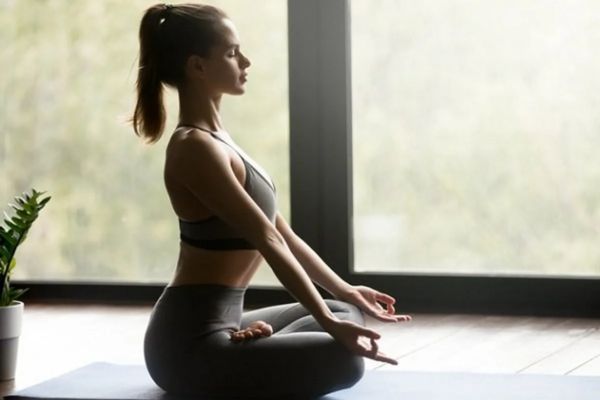
Deep diaphragmatic breathing encourages relaxation throughout the abdominal region, which can reduce cramping intensity. Alternate nostril breathing helps balance the left and right hemispheres of the brain, creating emotional steadiness. Lengthening the exhale activates calming responses within the body and can reduce feelings of restlessness, anxiety, or irritability.
Even five to ten minutes of intentional breathwork can shift the body from contraction to ease. This is one of yoga’s most overlooked gifts for menstrual wellness.
Food Is Emotional and Hormonal Support
What you eat during your cycle influences far more than hunger levels. Food directly affects inflammation, blood sugar stability, mood, and energy regulation. During menstruation, the body naturally requires warmth, nourishment, and replenishment.
Warm, cooked meals tend to be easier to digest and more comforting for the body than cold or heavily processed foods. Soups, khichdi, steamed vegetables, lentils, nuts, seeds, bananas, dates, and iron-rich foods can support energy levels and reduce depletion.
Hydration is equally essential. Dehydration often worsens cramps, headaches, and fatigue. Herbal teas such as ginger or chamomile can provide additional comfort.
A yogic perspective on food emphasizes mindfulness rather than restriction. It asks women to tune in and notice what feels truly nourishing. Sometimes menstrual wellness begins with simply choosing foods that make the body feel supported rather than stimulated.
Rest Is Not Optional During Your Cycle
One of the biggest challenges modern women face is the pressure to perform at the same pace every single day of the month. The menstrual cycle does not work that way. Energy naturally fluctuates.
The body often asks for more rest during menstruation because it is doing significant internal work. Ignoring this need can intensify symptoms over time.
Creating intentional rest can look like:
- Sleeping earlier and allowing extra recovery time
- Reducing unnecessary commitments during difficult cycle days
- Limiting overstimulation from screens and social media
- Practicing restorative yoga or yoga nidra
- Taking quiet breaks without guilt
Rest is not weakness. It is a form of biological respect.
Emotional Wellness Is Menstrual Wellness
Hormonal shifts can amplify emotions, but they do not create emotions from nowhere. Often, menstruation simply lowers the body’s tolerance for what has already been building beneath the surface.
Irritability may point toward exhaustion. Sadness may reveal emotional neglect. Anxiety may reflect overstimulation.
Instead of dismissing these feelings, yoga encourages compassionate observation. Journaling, meditation, mantra chanting, or simply sitting quietly with your emotions can provide remarkable clarity.
This emotional awareness transforms the menstrual cycle into a monthly check-in with yourself. It becomes an opportunity to ask: What am I carrying that needs release?

Creating a Yogic Menstrual Lifestyle
Menstrual wellness is not built through one yoga class. It develops through consistent lifestyle patterns that support regulation.
A yogic menstrual lifestyle includes:
Morning grounding practices
Beginning the day with sunlight exposure, deep breathing, and a few gentle stretches helps regulate the nervous system before external demands begin.
Mindful digital boundaries
Excessive screen stimulation can heighten stress and emotional dysregulation, especially before menstruation.
Self-compassionate inner dialogue
The way you speak to yourself matters. Replacing criticism with kindness reduces emotional tension significantly.
Consistent rhythm
Regular sleep, meal timing, movement, and rest create predictability that the nervous system deeply appreciates.
These small habits often create profound long-term change.
Final Thoughts
Menstrual wellness is not about silencing symptoms and moving on. It is about understanding that your cycle reflects the deeper state of your body and mind. Pain relief matters, but true healing comes from supporting the nervous system that influences every hormonal process.
Yoga offers a compassionate path toward this support. Through mindful movement, conscious breathing, nourishing habits, emotional awareness, and intentional rest, it helps women reconnect with their natural rhythm.
Your cycle is not an inconvenience to endure. It is a conversation worth listening to.
And often, when you begin caring for your nervous system, your menstrual health begins to transform naturally.