
Modern professional life demands much more than technical skills. Whether it is a job interview, an important presentation, a client pitch, a team meeting, or a public speaking event, people are expected to stay calm, think clearly, communicate confidently, and manage pressure in real time. Yet for many individuals, these situations trigger anxiety, racing thoughts, sweaty palms, shallow breathing, mental blank-outs, and nervous speech patterns.
What most people do not realize is that the body reacts to psychological pressure almost the same way it reacts to physical danger. The heart rate increases, muscles tighten, breathing becomes shallow, and the nervous system shifts into survival mode. This is why even highly skilled professionals sometimes struggle to express themselves properly during important moments.
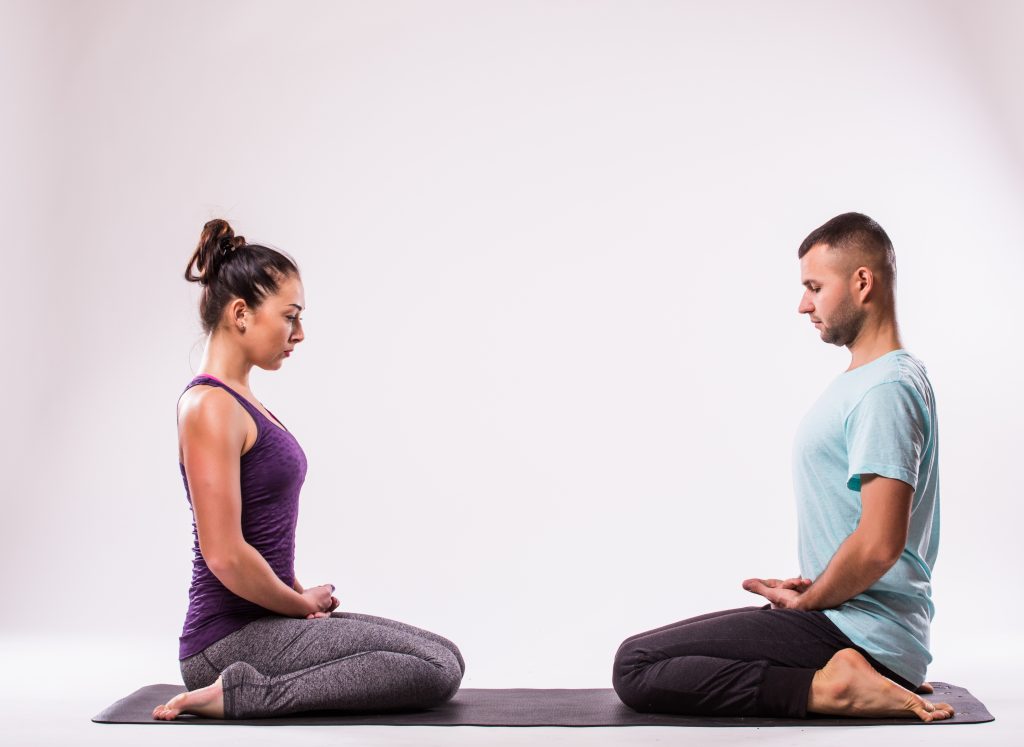
One of the most effective yet underrated tools for handling such situations is breathwork. Controlled breathing techniques have been used for centuries in yogic traditions to regulate the mind, stabilize emotions, and improve focus. Today, even athletes, performers, executives, and psychologists recognize the power of conscious breathing for stress management and performance enhancement.
Instead of trying to “force confidence,” breathwork works at the physiological level. It sends signals to the nervous system that the body is safe, helping the mind become clearer, calmer, and more focused.
Why Breathing Changes Under Pressure
When a person becomes nervous before an interview or presentation, breathing patterns unconsciously change. Common reactions include:
- Rapid chest breathing
- Holding the breath unknowingly
- Short and shallow inhalations
- Irregular breathing rhythm
- Tightness in the chest and throat
These changes reduce oxygen efficiency and activate the sympathetic nervous system, often called the “fight or flight” response. As a result, people may experience:
- Brain fog
- Difficulty finding words
- Increased heart rate
- Shaky voice
- Sweaty hands
- Reduced concentration
- Panic sensations
The body essentially prepares for danger, even though the situation may simply be a meeting room or a virtual interview.
Breathwork interrupts this stress cycle. Slow, controlled breathing activates the parasympathetic nervous system — the body’s natural relaxation mechanism. This helps restore emotional balance and mental clarity.
The Science Behind Breathwork and Performance
Breathing has a direct relationship with the nervous system, heart rate, emotional regulation, and cognitive function.
Research shows that controlled breathing can:
- Lower cortisol levels
- Improve oxygen delivery to the brain
- Reduce anxiety symptoms
- Improve attention span
- Enhance emotional regulation
- Increase vocal stability during speaking
- Improve decision-making under stress
One reason breathwork is so effective is because it bridges the gap between the body and mind. Thoughts affect breathing, but breathing can also affect thoughts. This means even if the mind feels anxious, changing the breathing pattern can gradually calm the entire system.
For professionals, this becomes extremely valuable because performance often depends on emotional control as much as knowledge.

1. Box Breathing for Instant Calm
One of the most popular techniques used by athletes, executives, and even military personnel is Box Breathing.
It is especially effective before interviews, presentations, or difficult conversations because it stabilizes breathing rhythm and calms the nervous system quickly.
How to Practice Box Breathing
Follow this cycle:
- Inhale for 4 seconds
- Hold the breath for 4 seconds
- Exhale for 4 seconds
- Hold again for 4 seconds
Repeat this cycle for 3–5 minutes.
4 sec inhale→4 sec hold→4 sec exhale→4 sec hold
Benefits
- Reduces mental chaos
- Improves concentration
- Slows racing thoughts
- Creates emotional steadiness
- Helps regain composure quickly
This technique works particularly well before entering a meeting room or joining an online interview.
2. Deep Belly Breathing for Nervousness
Many anxious individuals breathe only through the chest, which increases tension. Belly breathing, also called diaphragmatic breathing, encourages fuller oxygen exchange and deeper relaxation.
How to Practice
- Sit comfortably with a straight spine
- Place one hand on the chest and one on the abdomen
- Inhale slowly through the nose
- Allow the belly to expand instead of the chest
- Exhale slowly and gently
Continue for 5–10 minutes.
Why It Works
Deep breathing stimulates the vagus nerve, which helps reduce stress responses in the body. It also grounds attention in the present moment instead of future worries.
People often notice:
- Reduced heartbeat intensity
- More stable emotions
- Better speaking flow
- Less panic before public speaking
This is one of the simplest techniques for professionals who struggle with anticipatory anxiety.
3. Extended Exhalation Technique for Anxiety Control
One of the fastest ways to calm the nervous system is by lengthening the exhalation.
The body naturally relaxes more during exhalation than inhalation. Extending the exhale tells the brain that there is no immediate danger.
Simple Practice
- Inhale for 4 seconds
- Exhale for 6–8 seconds
4 sec inhale→6 to 8 sec exhale
Repeat for several rounds.
Best Situations to Use It
- Right before speaking on stage
- Before answering difficult interview questions
- During moments of panic
- Before entering high-pressure meetings
Many people find this technique surprisingly powerful because it quickly reduces internal agitation.

4. Alternate Nostril Breathing for Mental Balance
Known traditionally as Nadi Shodhana Pranayama, alternate nostril breathing is a yogic breathing technique used to balance mental energy and improve focus.
It is especially beneficial before intellectually demanding tasks such as interviews, negotiations, strategy meetings, or presentations.
How to Practice
- Sit comfortably
- Close the right nostril with the thumb
- Inhale through the left nostril
- Close the left nostril
- Exhale through the right nostril
- Inhale through the right
- Switch and exhale through the left
Continue slowly for 3–5 minutes.
Benefits
- Balances emotional energy
- Improves mental clarity
- Reduces overthinking
- Enhances concentration
- Creates calm alertness
Unlike techniques designed purely for relaxation, this practice promotes both calmness and attentiveness simultaneously.
5. Resonance Breathing for Vocal Stability
People often notice that nervousness affects their voice. Speech may become shaky, rushed, or strained. Resonance breathing helps stabilize the breathing rhythm that supports speaking.
Practice Method
Breathe slowly at around 5–6 breaths per minute.
A common rhythm is:
- Inhale for 5 seconds
- Exhale for 5 seconds
5 sec inhale→5 sec exhale
Practice for 5 minutes before speaking engagements.
Benefits
- Improves vocal steadiness
- Reduces rushed speaking
- Enhances confidence while communicating
- Helps maintain composure during long presentations
This technique is especially useful for teachers, speakers, managers, sales professionals, and content creators.
How Breathwork Improves Communication Skills
Many communication problems are actually nervous system problems rather than knowledge problems.
When stress levels rise:
- People interrupt themselves
- Speech becomes unclear
- Listening ability decreases
- Eye contact weakens
- Confidence appears lower
Breathwork helps regulate internal pressure, which naturally improves external communication.
Calmer breathing creates:
- Better listening skills
- More thoughtful responses
- Improved emotional control
- Greater speaking confidence
- More grounded body language
This is why experienced speakers often focus on breathing before focusing on words.

Creating a Pre-Meeting Breathwork Routine
Consistency matters more than intensity. Instead of using breathwork only during panic situations, it helps to create a short ritual before important professional interactions.
Sample 10-Minute Routine
1. Grounding Breath – 2 Minutes
Slow belly breathing to relax the body.
2. Box Breathing – 3 Minutes
To stabilize focus and emotions.
3. Extended Exhale – 3 Minutes
To reduce performance anxiety.
4. Silent Observation – 2 Minutes
Sit quietly and observe thoughts without reacting.
This short routine can dramatically improve mental readiness before interviews or presentations.
Common Mistakes During Breathwork
Many beginners unintentionally create more tension while practicing breathing exercises.
Avoid These Mistakes
- Forcing excessively deep breaths
- Breathing too fast
- Tensing shoulders and jaw
- Practicing immediately after heavy meals
- Expecting instant perfection
- Overdoing breath retention
Breathwork should feel calming and natural, not aggressive or exhausting.
Can Breathwork Replace Confidence Building?
Breathwork is not a replacement for preparation, communication skills, or professional knowledge. However, it supports all of them by helping the nervous system function optimally under pressure.
Think of it as creating the internal conditions necessary for your abilities to emerge properly.
A well-prepared person with uncontrolled anxiety may still underperform. But a calm nervous system allows clearer thinking, better expression, and stronger presence.

The Long-Term Benefits of Regular Breathwork
People who consistently practice conscious breathing often notice changes beyond professional situations.
Over time, breathwork may help with:
- Better emotional resilience
- Improved sleep quality
- Reduced stress reactivity
- Greater self-awareness
- Improved patience
- Better posture and body awareness
- Increased mental clarity
These benefits gradually influence not only workplace performance but also relationships, health, and overall wellbeing.
Final Thoughts
In today’s fast-paced professional world, mental pressure has become extremely common. Interviews, meetings, presentations, and public speaking situations often trigger stress responses that affect performance more than lack of skill or intelligence.
Breathwork offers a simple yet powerful way to regulate the body and mind before high-pressure moments. Through conscious breathing techniques such as box breathing, belly breathing, alternate nostril breathing, and extended exhalation, individuals can improve focus, calm anxiety, stabilize their voice, and communicate more effectively.
The beauty of breathwork lies in its accessibility. It requires no equipment, no complicated setup, and only a few minutes of intentional practice. Yet its impact on emotional balance and professional performance can be profound.
Sometimes the difference between panic and presence begins with a single slow breath.