
In a world dominated by artificial intelligence, endless notifications, remote work fatigue, sleep disorders, processed food, and rising anxiety levels, people in 2026 are searching for something that feels deeply human again. Ironically, many of the answers are not new inventions or biohacking trends. They are ancient yogic habits practiced thousands of years ago by sages who understood the human body and mind in ways modern science is only beginning to appreciate.
Yoga was never limited to physical postures alone. Ancient yogic living was a complete lifestyle system designed to improve energy, digestion, emotional balance, focus, immunity, sleep quality, and spiritual clarity. What makes these habits fascinating today is how perfectly they fit modern problems. While technology evolves rapidly, human biology has not changed much. The nervous system still reacts to stress, the body still depends on breath and movement, and the mind still needs silence.
Many people imagine yogic practices as extreme routines followed only in Himalayan caves. In reality, several ancient yogic habits are practical, simple, and highly relevant for modern urban lifestyles. Whether someone is working long hours on screens, dealing with mental burnout, or struggling with poor health habits, these ancient practices can bring surprising balance.

Waking Up Before Sunrise
One of the oldest yogic habits is waking up during Brahma Muhurta, roughly 90 minutes before sunrise. Ancient yogis believed this period carried a calm, subtle energy ideal for meditation, learning, and inner clarity. Interestingly, modern science also supports early waking routines for better hormonal balance and mental health.
In 2026, many people begin their mornings by instantly checking phones, emails, and social media. This floods the brain with stimulation before the nervous system has even stabilized. Yogic traditions approach mornings differently. The first hour after waking is treated as sacred and mentally impressionable. Instead of consuming information, yogis used this time for silence, breathwork, stretching, chanting, or reflection.
Early morning routines are now being rediscovered because they reduce mental clutter and improve productivity. People who wake up before sunrise often report calmer emotions, better concentration, and more disciplined lifestyles. The atmosphere is quieter, the mind is less distracted, and the body feels naturally refreshed. Ancient yogis understood that the quality of the morning influences the quality of the entire day.
Drinking Warm Water in the Morning
Long before wellness influencers promoted “morning detox drinks,” yogic traditions encouraged drinking warm water immediately after waking. This simple habit was believed to awaken digestion, flush toxins, improve circulation, and stimulate bowel movement.
Modern lifestyles in 2026 include excessive caffeine, late-night eating, dehydration, and digestive issues caused by stress and processed food. Warm water remains one of the easiest and most effective ways to gently support the digestive system. Unlike cold beverages, warm water relaxes the stomach and supports smoother metabolism in the morning.
Some yogic systems also recommend adding lemon, cumin, or soaked herbs depending on body constitution. While these additions vary, the core principle remains the same: begin the day by cleansing and hydrating the body naturally rather than shocking it with stimulants.
What is remarkable is how such a small habit can influence energy levels, skin quality, digestion, and even mental freshness throughout the day.
Conscious Breathing Instead of Constant Stimulation
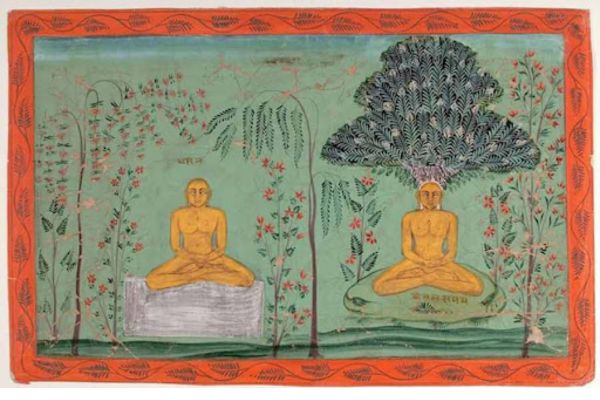
Ancient yogis considered breath the bridge between body and mind. Practices known as Pranayama were developed not merely for relaxation but for regulating life force and emotional balance. In today’s hyperconnected world, this may be one of the most relevant yogic habits of all.
Modern stress often keeps people in a constant state of shallow breathing. Hours spent on laptops, phones, and stressful conversations silently affect oxygen flow and nervous system function. Anxiety, irritability, fatigue, and poor sleep are frequently linked to dysfunctional breathing patterns.
Yogic breathing practices such as alternate nostril breathing, humming breath, deep diaphragmatic breathing, and slow exhalation techniques help calm the nervous system naturally. In 2026, these methods are increasingly used not only in yoga studios but also in therapy programs, corporate wellness sessions, and sports training.
The beauty of conscious breathing is its simplicity. It does not require expensive equipment or major lifestyle changes. Just a few minutes of mindful breathing can shift the body from stress mode into recovery mode. Ancient yogis understood centuries ago what neuroscience is validating today: breath directly influences mental state.
Eating With Awareness Instead of Distraction
One ancient yogic principle that feels revolutionary today is mindful eating. Traditional yogic systems advised eating slowly, calmly, and with full awareness. Food was considered sacred because it influenced not only physical health but also emotional and mental clarity.
In 2026, distracted eating has become extremely common. Many people eat while scrolling social media, watching videos, attending meetings, or driving. This disconnect between mind and body often leads to overeating, bloating, poor digestion, and unhealthy food choices.
Ancient yogis practiced eating in silence or gratitude, chewing food properly, and stopping before complete fullness. These habits naturally supported better digestion and improved energy levels. Modern research now shows that mindful eating can reduce emotional eating patterns and improve gut health.
Yogic traditions also emphasized fresh, seasonal, minimally processed food. This aligns strongly with today’s growing awareness about inflammation, artificial additives, and the negative effects of ultra-processed diets. Ancient wisdom encouraged balance rather than restriction, teaching that food should nourish both body and mind.

Digital Detox Through Silence
While ancient yogis obviously did not deal with smartphones or social media, they deeply valued periods of silence known as Mauna. Silence was seen as a method for conserving mental energy and increasing awareness.
In modern life, silence has become rare. Notifications, entertainment, advertisements, and endless conversations constantly occupy the mind. Many people in 2026 feel mentally exhausted not because of physical work but because of continuous sensory overload.
Yogic silence offers a powerful solution. Even short periods without speaking, consuming media, or engaging with devices can calm mental noise dramatically. Silence improves observation, emotional regulation, and self-awareness. It creates space for clearer thinking.
Today, digital detox retreats, silent meditation programs, and screen-free mornings are becoming increasingly popular because people recognize how overstimulated they have become. Ancient yogis practiced silence not as punishment but as nourishment for the nervous system.
Grounding Through Barefoot Walking
Walking barefoot on natural surfaces is another ancient practice experiencing renewed relevance. Yogis and traditional communities often spent significant time connected directly to the earth. Modern lifestyles, however, keep people indoors, surrounded by concrete, synthetic materials, and screens.
In 2026, many people rarely touch natural ground directly. This disconnect from nature contributes to sedentary habits and mental fatigue. Barefoot walking on grass, soil, or sand helps reconnect the body with natural sensory experiences. It encourages mindfulness and improves posture, balance, and foot strength.
Some wellness experts now discuss “grounding” or “earthing” as a way to reduce stress and improve sleep quality. While scientific debates continue around certain claims, most people undeniably feel calmer and refreshed after spending time in nature barefoot.
Ancient yogic traditions always emphasized harmony with natural elements. Nature was not viewed as separate from healing but as an essential part of it.

Moving the Body Throughout the Day
Contrary to popular belief, yoga was never intended to be a one-hour fitness session followed by ten hours of sitting. Ancient yogic living encouraged continuous natural movement throughout the day.
Modern work culture in 2026 often involves prolonged sitting, poor posture, neck stiffness, back pain, and reduced mobility. Even people who exercise regularly may remain physically inactive for most of the day. Yogic traditions approached movement differently. Stretching, squatting, walking, floor sitting, and mindful transitions were naturally integrated into daily life.
Traditional yogic postures were designed not only for flexibility but also for spinal health, circulation, digestion, and nervous system balance. Small, frequent movement patterns helped keep energy flowing instead of stagnant.
Today, movement specialists increasingly recommend mobility breaks, posture correction, floor exercises, and stretching routines to counter modern sedentary lifestyles. Ancient yogic systems had already embedded these habits into everyday living centuries ago.
Sleeping Early and Respecting Natural Rhythms
Ancient yogis strongly aligned daily routines with the cycles of nature. Sleeping early and waking early were considered essential for vitality and mental clarity. In contrast, modern lifestyles often normalize late-night screen use, irregular sleep schedules, and chronic fatigue.
Artificial lighting, binge watching, work pressure, and endless scrolling have disrupted sleep quality for millions of people in 2026. Sleep deprivation affects hormones, immunity, memory, mood, and metabolism.
Yogic traditions viewed nighttime as a period for deep restoration rather than stimulation. Evening routines often included light meals, calming practices, chanting, reflection, or meditation. These habits naturally prepared the nervous system for restful sleep.
Modern sleep science now confirms the importance of circadian rhythms and reduced nighttime stimulation. Ancient yogic routines may appear simple, but they align surprisingly well with what experts today recommend for optimal recovery and mental health.
Practicing Gratitude and Contentment
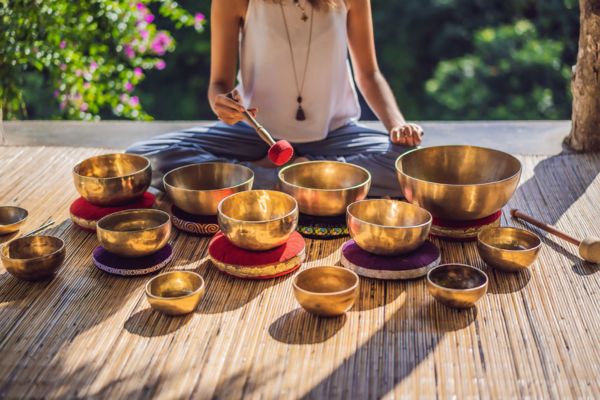
One of the most overlooked yogic habits is the cultivation of Santosha, or contentment. Ancient yogic philosophy taught that constantly chasing external satisfaction creates endless mental unrest.
In 2026, comparison culture has intensified through social media and digital lifestyles. People frequently compare careers, appearance, income, relationships, and achievements. This creates anxiety, dissatisfaction, and emotional burnout.
Yogic teachings encourage gratitude for the present moment and appreciation for simplicity. This does not mean abandoning ambition. Instead, it means developing inner stability that is not entirely dependent on external validation.
Practicing gratitude, journaling, mindful reflection, and reducing comparison-based thinking can significantly improve emotional wellbeing. Ancient yogis understood that mental peace cannot come solely from possessions or achievements. It must also come from perspective.
Why Ancient Yogic Habits Matter More Than Ever
The modern world offers extraordinary convenience, but it also creates new forms of exhaustion. People are more connected digitally yet often disconnected physically, emotionally, and spiritually. Ancient yogic habits remain relevant because they address the core human experience rather than temporary trends.
These practices are not outdated rituals. They are timeless systems designed to improve how humans breathe, eat, sleep, move, think, and interact with life itself. Their simplicity is precisely what makes them powerful.
The most surprising thing about yogic wisdom is that it does not demand perfection. Even adopting one or two small habits consistently can create noticeable shifts in energy, focus, digestion, emotional balance, and overall wellbeing.
In 2026, as people search for sustainable wellness solutions beyond quick fixes and expensive trends, ancient yogic living continues to quietly prove its value. The future may be powered by advanced technology, but human wellbeing still depends on timeless foundations — breath, balance, awareness, discipline, and connection with nature.
That is why these ancient yogic habits are not just surviving in modern times. They are becoming more relevant than ever before.