
Belly fat is one of the most common and frustrating concerns today, especially among women in their 30s and beyond. Many people assume that all belly fat is simply a result of poor diet or lack of exercise. However, from a yogic and physiological perspective, not all belly fat is the same.
In fact, two of the most overlooked types are hormonal belly fat and stress-related belly fat. Understanding the difference between these is crucial because each type requires a completely different approach for effective and sustainable reduction.
This blog will help you identify whether your belly fat is hormonal or stress-driven, and how yoga can be used as a precise, therapeutic tool rather than a generic fitness routine.

Understanding Belly Fat Beyond Calories
Most conventional advice around belly fat revolves around calorie deficit and exercise. While that works for general fat loss, it often fails when the root cause is internal—especially hormonal imbalance or chronic stress.
From a yogic standpoint, belly fat is not just physical accumulation. It is deeply connected to:
- Hormonal fluctuations
- Nervous system imbalance
- Digestive fire (Agni)
- Emotional patterns
This is why two people can follow the same diet and workout routine, yet one continues to struggle with persistent belly fat.
What is Hormonal Belly Fat?
Hormonal belly fat is primarily linked to imbalances in hormones such as estrogen, progesterone, insulin, and thyroid hormones. This type of belly fat is very common in women during:
- Perimenopause
- Thyroid dysfunction
- PCOS conditions
- Post-pregnancy phase
Key Characteristics of Hormonal Belly Fat
Hormonal belly fat tends to:
- Accumulate in the lower abdomen
- Feel soft and slightly bloated
- Persist despite regular exercise
- Be accompanied by fatigue or low energy
- Show resistance to quick weight-loss methods
Unlike general belly fat, this type is less about excess calories and more about how the body stores fat due to internal signals.
Yogic View of Hormonal Belly Fat
In yoga, hormonal belly fat is often associated with imbalance in the Manipura Chakra (solar plexus energy center) and weakened digestive fire.
A sluggish system leads to:
- Improper metabolism
- Poor nutrient absorption
- Increased fat storage around the abdomen
This is why intense workouts alone may worsen the condition by increasing stress hormones rather than balancing the system.
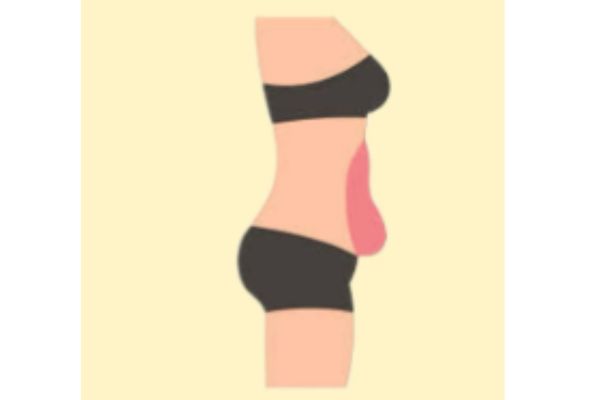
What is Stress Belly Fat?
Stress-related belly fat is directly linked to elevated cortisol levels—the primary stress hormone. When the body is under constant stress, it goes into survival mode and stores fat, particularly around the abdominal area.
Key Characteristics of Stress Belly Fat
Stress-driven belly fat usually:
- Accumulates in the upper abdomen
- Feels firm or tight
- Is associated with bloating after meals
- Comes with poor sleep and anxiety
- Fluctuates rapidly depending on stress levels
This type of belly fat is often seen in working professionals, caregivers, or individuals with high mental load.
Yogic View of Stress Belly Fat
From a yogic perspective, stress-related belly fat is a result of overactivation of the sympathetic nervous system (fight-or-flight mode).
This leads to:
- Shallow breathing
- Tight diaphragm
- Reduced digestive efficiency
- Increased abdominal tension
Yoga identifies this as a disturbance in Prana flow, particularly in the abdominal region.
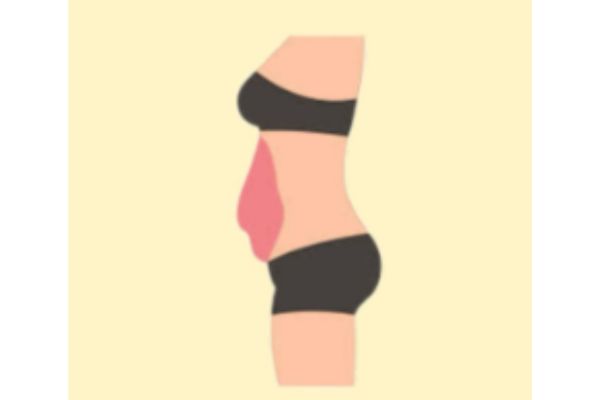
Hormonal Belly vs Stress Belly – Key Differences
Understanding the distinction between these two types of belly fat is essential for choosing the right yogic approach.
Hormonal Belly Fat:
- Root cause: Hormonal imbalance
- Location: Lower abdomen
- Texture: Soft
- Energy levels: Low
- Response to exercise: Slow
Stress Belly Fat:
- Root cause: Chronic stress and cortisol
- Location: Upper abdomen
- Texture: Tight
- Energy levels: Fluctuating or anxious
- Response to relaxation: Quick improvement
Why Generic Workouts Fail for Belly Fat
Many people try high-intensity workouts to reduce belly fat, but this can backfire—especially for stress belly.
- For hormonal belly fat, excessive workouts can exhaust the body further
- For stress-related belly fat, it increases cortisol levels
This is where yoga stands apart. It doesn’t just burn calories—it regulates the internal environment that causes belly fat in the first place.
Yogic Assessment: How to Identify Your Belly Fat Type
Before starting any yoga routine, a simple self-assessment can help:
Ask Yourself:
- Do you feel constantly tired even without much activity? → Likely hormonal belly fat
- Do you feel anxious, restless, or mentally overloaded? → Likely stress belly fat
- Is your digestion slow and heavy? → Hormonal influence
- Do you experience bloating after stress or irregular meals? → Stress-related
This awareness helps in choosing the correct yogic pathway instead of random practice.
Yoga Approach for Hormonal Belly Fat
For hormonal belly fat, the goal is to activate metabolism gently and restore endocrine balance.
Effective Yogic Practices:
- Slow Surya Namaskar (with breath awareness)
- Twisting asanas to stimulate abdominal organs
- Gentle core activation without strain
- Pranayama like Nadi Shodhana
These practices help regulate hormones and gradually reduce belly fat without stressing the system.
Yoga Approach for Stress Belly Fat
For stress-induced belly fat, the focus shifts to calming the nervous system.
Effective Yogic Practices:
- Forward bends for relaxation
- Restorative poses like supported Balasana
- Deep diaphragmatic breathing
- Yoga Nidra and guided relaxation
These techniques lower cortisol levels, which directly impacts belly fat reduction.
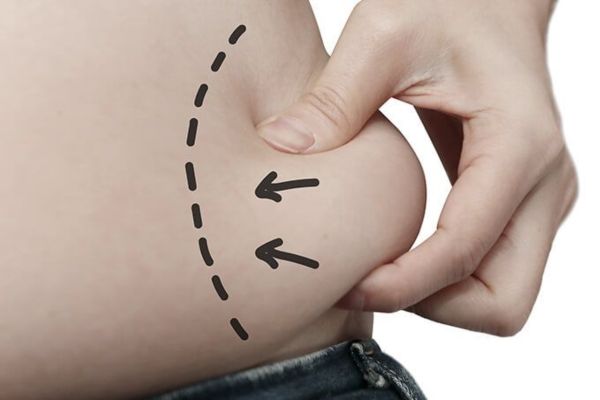
The Role of Breath in Belly Fat Reduction
Breathwork (Pranayama) plays a crucial role in managing both types of belly fat.
- Shallow breathing contributes to abdominal tension
- Deep breathing improves oxygenation and digestion
- Balanced breathing stabilizes hormones and stress response
In yoga therapy, correcting the breath is often the first step in reducing stubborn belly fat.
Lifestyle Integration for Sustainable Results
Yoga alone is powerful, but combining it with mindful lifestyle habits enhances results:
- Eating at consistent times improves digestion
- Reducing screen exposure at night supports hormonal balance
- Practicing mindfulness reduces emotional triggers linked to belly fat
Consistency is more important than intensity when dealing with stubborn belly fat.
Final Thoughts
Not all belly fat is created equal. Understanding whether your belly fat is hormonal or stress-related can completely change your approach and results.
Yoga offers a unique advantage—it works at the root level by addressing:
- Hormonal balance
- Nervous system regulation
- Digestive efficiency
Instead of chasing quick fixes, a personalized yogic assessment allows you to work intelligently with your body.
If you’ve been struggling with belly fat despite doing everything “right,” it might be time to shift your focus inward. With the right awareness and targeted yoga practices, sustainable transformation is not only possible—it becomes natural. visit us.