
There’s a particular kind of discomfort many people have quietly accepted as “normal.” You wake up in the morning, and before your mind fully starts the day, your body already feels heavy. Your lower back resists movement, your hips feel tight, your neck doesn’t turn as easily, and there’s a subtle stiffness that takes time to shake off. Most people blame sleep position, age, or lack of exercise—but in reality, this pattern often points to something deeper: silent inflammation.
Unlike acute inflammation, which shows up as visible swelling or pain after injury, silent inflammation is far more subtle. It builds slowly in the background, influenced by modern lifestyle habits—long hours of sitting, chronic stress, irregular sleep, and even suppressed movement patterns. You may still be functioning normally, but your body is no longer moving with ease. That effortless fluidity you once had begins to fade.
What makes this more complex is that many people try to “fix” it the wrong way. They jump into intense workouts, force deep stretches, or push their bodies early in the morning—only to feel tighter or more fatigued later. This happens because stiffness caused by inflammation isn’t just muscular; it’s neurological, fascial, and circulatory.
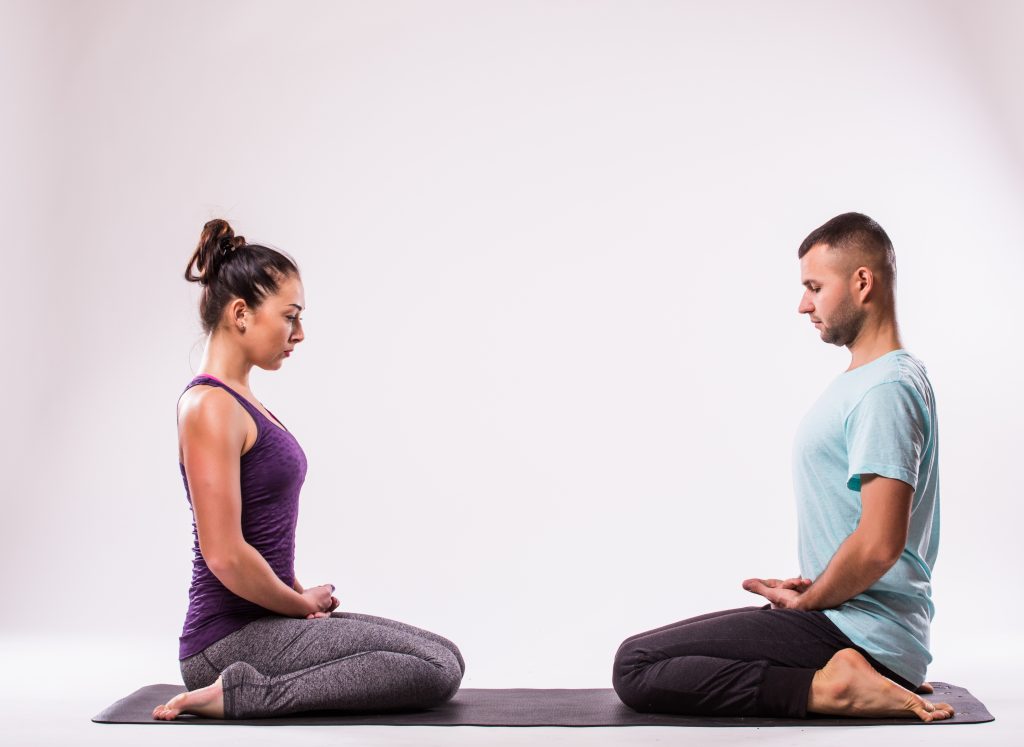
Why Morning Stiffness Is Not Just a Muscle Problem
During sleep, your body is supposed to repair and restore itself. However, when low-grade inflammation is present, this repair process becomes inefficient. Circulation slows down, connective tissues lose hydration, and the nervous system remains slightly on edge rather than fully relaxed.
This is why the stiffness feels different from post-workout soreness. It’s not sharp or localized—it’s more like a dull restriction spread across the body. The fascia, which is the connective tissue surrounding muscles and joints, becomes less pliable. Think of it like waking up with a body that feels “compressed” rather than injured.
Another important factor is the nervous system. If your body has been under stress—mental or physical—your system stays in a semi-alert mode even during rest. This affects how muscles release tension overnight. So instead of waking up refreshed, you wake up carrying residual tightness.
Why Traditional Stretching Often Fails
It’s very common to assume that stiffness means you need more stretching. But if you’ve ever tried stretching first thing in the morning and still felt tight, you’ve already experienced the limitation of that approach.
Stretching works on muscles, but silent inflammation affects:
- Circulation
- Fascia hydration
- Nervous system regulation
- Joint lubrication
Without addressing these layers, stretching alone becomes superficial. In some cases, forcing stretches can even create micro-tension, making the stiffness worse over time.
This is where yoga, when practiced with awareness and structure, becomes significantly more effective than random movement.

The Yogic Approach: Reset Before You Stretch
Instead of jumping into flexibility, yoga focuses on preparing the body’s internal environment first. The goal is not to “push” the body open, but to create conditions where the body naturally releases tension.
A well-designed morning yoga protocol works through three essential stages:
- Gentle activation → to restart circulation and joint movement
- Progressive mobility → to reintroduce safe, controlled movement
- Nervous system regulation → to reduce internal resistance
When these three layers are addressed together, stiffness begins to dissolve more naturally.
A Practical Morning Yoga Flow That Targets Inflammation
The key to this practice is not intensity, but sequencing and awareness. The body should feel progressively more open—not forced.
You begin in the simplest way possible—before even getting out of bed. Small movements like ankle rotations, gentle knee-to-chest compression, and slow breathing start activating circulation. This may seem insignificant, but it signals the body to transition from stillness to movement gradually. This alone can reduce that “rusty” feeling many people notice upon waking.
As you move to the mat, a supported forward fold like a modified child’s pose becomes the first grounding posture. Here, the emphasis is not on stretching deeply, but on allowing the spine to decompress while the breath expands into the lower back. This creates space in areas that typically feel compressed overnight.
From here, slow spinal movements such as cat-cow begin to play an important role. Unlike fast or forceful repetitions, controlled spinal articulation improves fluid movement in the vertebral joints. Over time, this reduces the rigid feeling in the back that many people associate with poor sleep.
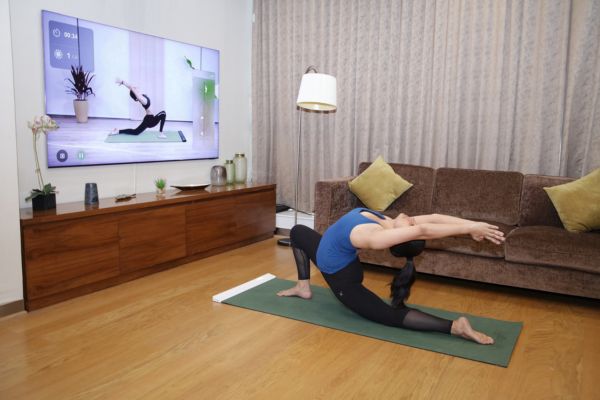
Hip opening is another critical element, especially for those who sit for long hours. A gentle low lunge, when done without collapsing into the lower back, helps release deep-seated tightness in the hip flexors. This not only improves mobility but also enhances blood flow to the pelvic region, which is often restricted in sedentary lifestyles.
Twisting movements, whether done lying down or seated, introduce a subtle internal massage effect. They support digestion, stimulate circulation around the spine, and help the body feel more “awake” from within.
Finally, ending the practice with slow, conscious breathing is what ties everything together. This is often the most overlooked part, yet it has the most direct impact on inflammation. When the breath is slow and extended, the body shifts into a parasympathetic state—the mode where healing, repair, and anti-inflammatory processes are activated.
Why This Works Better Than Intense Workouts
Many people believe they need to “sweat it out” to feel better. While exercise has its place, starting your day with intensity when your body is already stiff can create resistance rather than relief.
This yoga-based approach works because it:
- Improves circulation without stress
- Restores joint lubrication gradually
- Rehydrates connective tissue through movement
- Signals the brain that the body is safe to relax
Over time, this reduces the baseline level of inflammation in the body.
Subtle Mistakes That Keep You Stuck
Even with good intentions, certain habits can prevent progress. These are worth being aware of:
- Starting your practice too aggressively, especially in the morning
- Treating yoga as a physical workout rather than a system reset
- Ignoring breath while focusing only on movement
- Being inconsistent and expecting quick results
- Comparing flexibility instead of focusing on comfort and ease
Often, it’s not what you’re doing—but how you’re doing it—that determines the outcome.
What Changes Can You Expect?
This is not an overnight transformation, but it is a noticeable one. With consistent practice, many people begin to feel subtle shifts within the first week—slightly easier movement, less resistance while getting out of bed.
Over the next few weeks, the body starts responding more clearly. Movements feel smoother, stiffness reduces, and energy levels improve. What once felt like a rigid start to the day becomes a more fluid, natural transition.
And perhaps the most important change is this: you stop feeling disconnected from your body. Instead of dragging it through the day, you begin to move with it.

A Final Perspective
A stiff body in the morning is not something to ignore or normalize. It is feedback—an early signal that your body needs better circulation, better recovery, and more mindful movement.
Yoga, when approached with intention rather than routine, offers a powerful way to address this at its root. Not by forcing flexibility, but by restoring balance within the body’s internal systems.
The goal is not just to feel “less stiff,” but to return to a state where movement feels natural again—where your body supports you, rather than holds you back. here is morning routine to follow