
Modern life has quietly engineered a new biomechanical condition—tech neck. While most discussions limit it to cervical pain, headaches, or muscular stiffness, a deeper physiological narrative is emerging. Increasingly, clinicians and movement therapists are observing that chronic forward-head posture may influence endocrine function, particularly thyroid vitality. This evolving understanding highlights a fascinating posture-hormone connection—a relationship where structural alignment begins to influence hormonal signaling.
The human body was not designed to sustain hours of downward gaze toward smartphones and laptops. When the head shifts forward even by a few centimeters, the mechanical load on the cervical spine multiplies dramatically. But the consequences are not purely musculoskeletal. Beneath the surface lies a network of neuroendocrine structures—blood vessels, nerves, fascia, and glands—that respond sensitively to posture. When this alignment deteriorates chronically, it may begin to influence metabolic regulation through subtle yet cumulative pathways.
The Biomechanics of Forward Head Posture
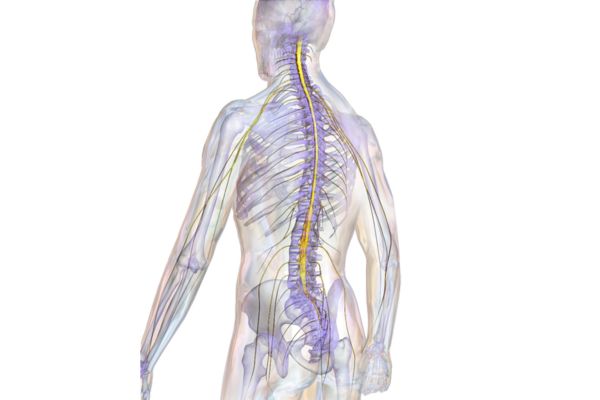
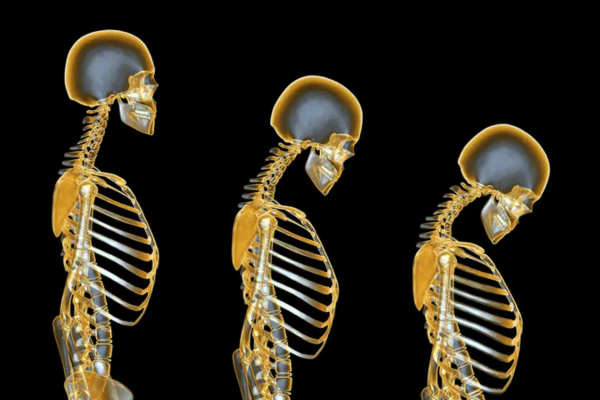
To understand the posture-hormone connection, one must first appreciate the biomechanics of forward head posture. In a neutral posture, the head weighs roughly 4.5–5.5 kg and balances directly over the cervical spine. However, when the head moves forward by 15 degrees—a common position during smartphone usage—the effective load increases to nearly 12 kg. At 60 degrees, the cervical spine may bear the equivalent of 27 kg.
This altered load distribution compresses the anterior cervical structures, including the infrahyoid muscles, sternocleidomastoid, and deep cervical fascia, which lie in proximity to the thyroid gland. Over time, these tissues develop chronic tension patterns, sometimes referred to in fascial science as myofascial densification. This tension can influence lymphatic drainage and vascular supply in the anterior neck compartment, subtly affecting the microenvironment surrounding the thyroid gland.
The thyroid is not merely a passive organ located in the neck. It is an exceptionally vascular gland receiving one of the highest blood flow rates per gram of tissue in the body. Any persistent compression or postural strain in the region has the potential to alter perfusion dynamics. Reduced arterial supply or compromised venous return may influence the gland’s efficiency in producing and releasing thyroid hormones.
Cervical Posture and Neuroendocrine Signaling
Another important layer of the posture-hormone connection lies in the nervous system. The thyroid gland is regulated through the hypothalamic-pituitary-thyroid (HPT) axis, a complex endocrine feedback loop involving the brain and the gland itself. While this axis is primarily hormonal, it is heavily influenced by neural inputs.
The cervical region houses the superior cervical ganglion, a crucial component of the sympathetic nervous system. Chronic forward head posture can increase sympathetic activation due to sustained muscular contraction and stress signaling. Overactivation of the sympathetic system is known to influence hypothalamic activity, which may alter the secretion of thyrotropin-releasing hormone (TRH).
When TRH signaling becomes dysregulated, the pituitary gland adjusts its release of thyroid stimulating hormone (TSH), which directly controls thyroid hormone production. Thus, persistent cervical strain can indirectly affect endocrine communication pathways.
While posture alone does not cause thyroid disease, emerging research suggests it may contribute to functional fatigue of the gland, particularly when combined with lifestyle stressors, sleep deprivation, and chronic inflammation.
The Fascial Network Around the Thyroid
Modern anatomy is increasingly recognizing fascia as an active communication network rather than inert connective tissue. The thyroid gland is enveloped by the pretracheal fascia, which connects to deeper cervical fascial layers and integrates with structures extending into the thorax and skull.
When forward head posture persists, these fascial layers may experience continuous strain. Over time, this strain alters the tensegrity balance of the cervical region—a concept describing how tension and compression distribute across connective tissues.
From a physiological standpoint, fascial restrictions can influence three critical processes around the thyroid:
• Microcirculation
• Lymphatic drainage
• Neuromechanical signaling
If lymphatic flow is compromised, metabolic waste products may accumulate in surrounding tissues, creating a low-grade inflammatory environment. This environment can affect thyroid cell function and hormone synthesis efficiency.
This aspect of the posture-hormone connection is rarely discussed in conventional medicine but is gaining attention in integrative endocrinology and somatic therapy.
Vagus Nerve and Hormonal Regulation
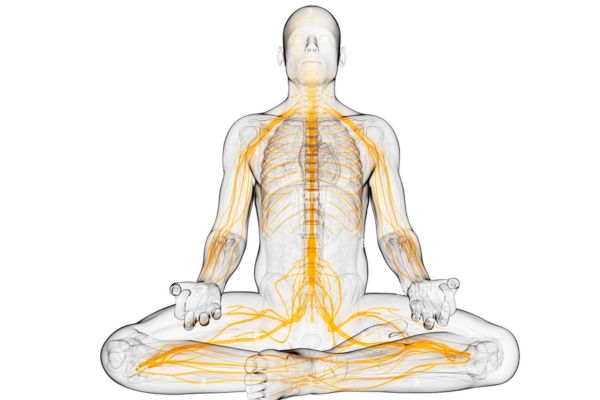
Another intriguing mechanism linking posture and thyroid function involves the vagus nerve, the longest cranial nerve responsible for regulating parasympathetic activity. The vagus nerve passes through the cervical region before descending into the thoracic and abdominal cavities.
Forward head posture can alter the spatial relationships of cervical structures through which the vagus nerve travels. Chronic muscular tension in the scalenes and sternocleidomastoid may affect vagal tone indirectly.
Reduced vagal tone is associated with several metabolic disturbances including poor digestion, inflammation, and altered endocrine signaling. The vagus nerve also communicates with the hypothalamus, influencing the HPT axis.
Therefore, the posture-hormone connection may partly operate through vagal modulation. When posture improves and cervical tension reduces, vagal tone often improves, which can stabilize neuroendocrine signaling pathways.
Reduced Oxygenation and Thyroid Fatigue
Another lesser-known dimension of the posture-hormone connection involves breathing mechanics. Forward head posture is frequently accompanied by upper chest breathing rather than diaphragmatic respiration.
When breathing becomes shallow, oxygen delivery to tissues decreases while carbon dioxide clearance becomes inefficient. The thyroid gland, being metabolically active, depends heavily on optimal oxygenation for hormone synthesis.
Low oxygen states can impair mitochondrial activity within thyroid cells. Since thyroid hormones regulate mitochondrial metabolism throughout the body, this creates a subtle feedback loop of reduced energy production—often perceived as thyroid fatigue symptoms such as:
• Persistent tiredness
• Brain fog
• Cold intolerance
• Reduced metabolic rate
These symptoms may appear even when laboratory thyroid values remain within “normal” ranges, highlighting the functional dimension of the posture-hormone connection.
Digital Lifestyle and Cervical Endocrine Stress
The average smartphone user spends more than 3–5 hours daily looking downward at screens. This creates what movement scientists describe as sustained cervical flexion stress.
Over months and years, this position reshapes neuromuscular memory. Muscles responsible for neck stabilization weaken, while superficial muscles become overactive. This imbalance leads to upper cross syndrome, characterized by tight pectorals, weak deep neck flexors, and rounded shoulders.
From an endocrine perspective, this posture compresses the thyroid cartilage region while altering blood and lymphatic flow. Combined with chronic stress hormones like cortisol, this environment may push the thyroid gland toward functional exhaustion.
The posture-hormone connection thus becomes particularly relevant in the digital age, where posture is no longer an occasional issue but a daily lifestyle pattern.
Psychological Stress and Cervical Hormonal Feedback
Posture also communicates with the brain through what psychologists call embodied cognition. The way we hold our body influences emotional processing and stress perception.
Forward head posture has been associated with increased feelings of fatigue, low mood, and mental exhaustion. These psychological states influence the hypothalamus, which controls the entire endocrine cascade including thyroid function.
When the brain perceives prolonged stress, it prioritizes survival hormones like cortisol over metabolic hormones such as T3 and T4. In this context, the posture-hormone connection becomes part of a broader mind-body feedback loop.
Correcting posture may therefore not only relieve mechanical strain but also recalibrate neuroendocrine signaling through improved emotional regulation.
Yogic Perspective on Cervical Energy Flow
Traditional yogic science described the throat region as the Vishuddha Chakra, associated with purification and communication. While this concept is symbolic, it aligns interestingly with modern anatomical observations.
The throat region integrates respiratory pathways, endocrine glands, neural networks, and vocal expression. Yogic practices historically emphasized neck alignment, breath awareness, and throat relaxation to maintain energetic balance in this region.
From the standpoint of the posture-hormone connection, yogic techniques such as gentle cervical extension, diaphragmatic breathing, and throat relaxation may support thyroid vitality by restoring natural structural alignment.
These practices may enhance blood circulation, improve vagal tone, and reduce sympathetic dominance—factors directly influencing endocrine regulation.

Recognizing Early Signs of the Posture-Hormone Connection
Many individuals experiencing thyroid fatigue symptoms focus exclusively on diet or medication while ignoring structural contributors. However, early signs of the posture-hormone connection may include subtle indicators:
• Frequent neck stiffness alongside fatigue
• A visible forward-head posture when viewed from the side
• Pressure or tightness in the throat area
• Persistent mental fog after prolonged screen use
• Reduced vocal clarity or throat dryness
Recognizing these signals allows individuals to address postural habits before they begin affecting deeper physiological systems.
Reversing the Digital Posture Pattern
Addressing the posture-hormone connection does not require extreme interventions. Instead, it begins with restoring the natural alignment of the cervical spine.
Movement therapies often emphasize deep neck flexor activation, scapular stabilization, and thoracic extension. These corrections reduce compressive forces around the thyroid region and improve blood circulation.
Equally important is restoring nasal diaphragmatic breathing, which enhances oxygenation and vagal tone. When breathing mechanics normalize, the autonomic nervous system shifts toward parasympathetic balance—a state conducive to hormonal stability.
Small daily changes such as raising screens to eye level, practicing periodic neck mobility exercises, and reducing continuous screen exposure can significantly reduce cervical endocrine stress.
The Emerging Future of Posture-Endocrine Research
The concept of the posture-hormone connection represents a growing interdisciplinary field linking biomechanics, neuroscience, endocrinology, and movement therapy. While large-scale clinical studies are still developing, the physiological plausibility of this relationship is strong.
Researchers are beginning to explore how chronic postural stress influences inflammatory signaling, neural feedback loops, and glandular microcirculation. These investigations may eventually reshape how clinicians approach metabolic fatigue and thyroid dysfunction.
Rather than viewing posture as merely a structural concern, future medicine may recognize it as a key regulator of systemic physiology.
Conclusion
The modern epidemic of tech neck may be doing more than causing sore shoulders and stiff necks. It may be quietly influencing endocrine balance through a complex web of neural, vascular, and fascial pathways. The posture-hormone connection highlights how deeply intertwined structure and physiology truly are.
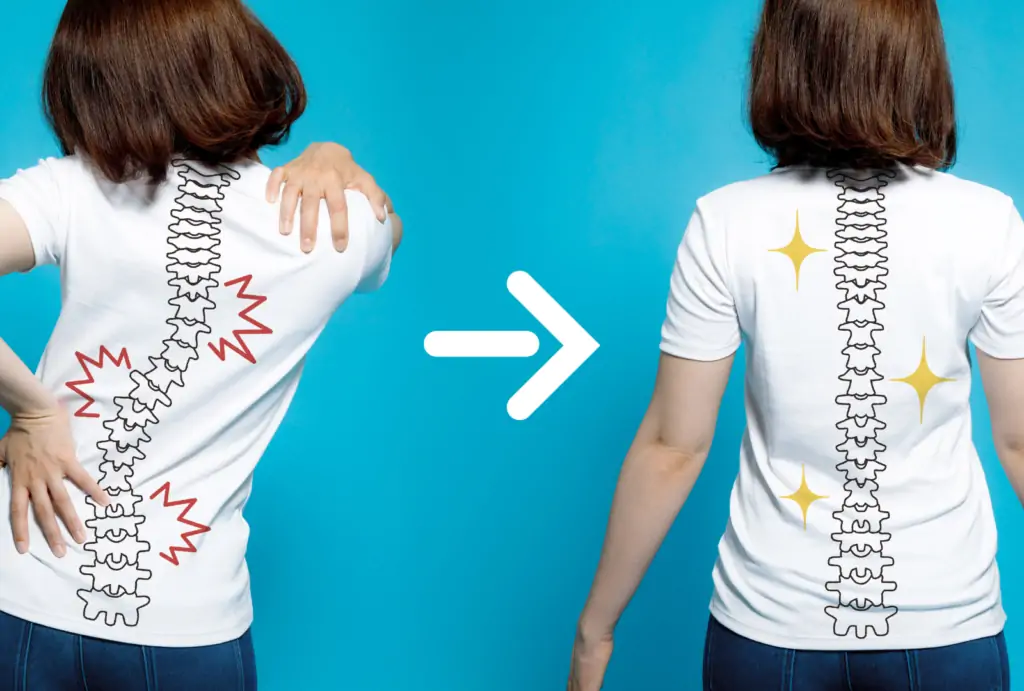
In an age dominated by screens and sedentary work, reclaiming cervical alignment may become an essential strategy for preserving metabolic vitality. The thyroid gland, though small, plays a powerful role in energy regulation—and its health may depend not only on nutrition and genetics but also on the way we hold our head throughout the day.
Understanding this connection invites a broader perspective: that posture is not merely about appearance or comfort, but about sustaining the delicate hormonal symphony that keeps the human body energized and balanced.